After Bad Bunny’s Super Bowl moment, could reggae or dancehall be next?
Key Points(5)
- This year’s Super Bowl halftime show wasn’t just a performance.
- It was a cultural referendum when Latino superstar Bad Bunny graced the stage in California.
- The truth is, he wasn’t just entertaining 100,000 fans in a stadium — he had the attention of a global audience numbered in the hundreds of millions.
- In past Super Bowl halftime shows, we’ve witnessed Michael Jackson freeze in silence for nearly two minutes in 1993 while 100 million people screamed.
- We cannot ignore the performance of Prince as he charmed fans with his biggest hit “Purple Rain” in actual rain.
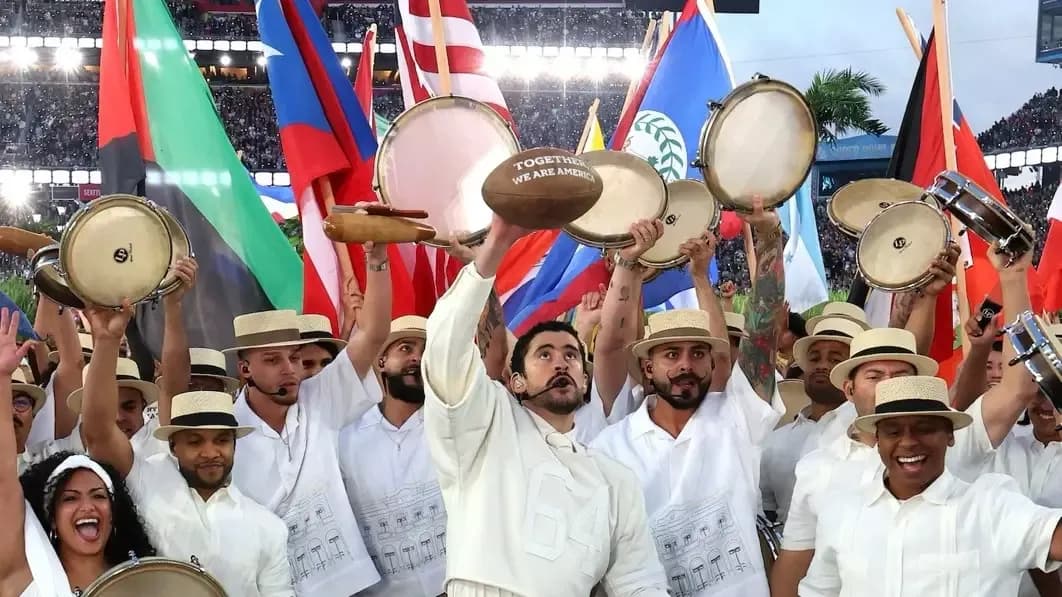
This year’s Super Bowl halftime show wasn’t just a performance. It was a cultural referendum when Latino superstar Bad Bunny graced the stage in California. The truth is, he wasn’t just entertaining 100,000 fans in a stadium — he had the attention of a global audience numbered in the hundreds of millions.
In past Super Bowl halftime shows, we’ve witnessed Michael Jackson freeze in silence for nearly two minutes in 1993 while 100 million people screamed. We cannot ignore the performance of Prince as he charmed fans with his biggest hit “Purple Rain” in actual rain. These were moments in time forever etched in our minds and music folklore.
Madonna turned it into a Roman Empire spectacle. It was also the stage where pop star Rihanna revealed her baby bump; where Kendrick Lamar delivered cultural commentary and Compton pride. Years earlier, Shakira and Jennifer Lopez delivered a Latin music showcase. Then came Bad Bunny in 2026.
He didn’t attempt to out-dance Michael. He didn’t try to out-musician Prince. Instead, he represented the social media generation. He represented Spanish-speaking America and global youth culture. Bad Bunny performed in Spanish — no crossover English chorus, no diluted verse for American radio comfort. America crossed over to him as he declared, “This is who I am.”
Is reggae/dancehall in the conversation?
Jamaican and Caribbean audiences are asking: why hasn’t reggae or dancehall had a defining feature on the Super Bowl halftime stage? It is a big ask, but the music’s global impact is undeniable. Reggae king Bob Marley remains one of the most influential musicians in world history. Others like Jimmy Cliff, Peter Tosh, Bunny Wailer, Toots Hibbert and riddim twins Sly & Robbie have shaped the global music space.
Modern crossover success is just as evident. Sean Paul has delivered multiple Billboard hits, while Shaggy has produced diamond-selling songs that still dominate stadium playlists. Dancehall and reggae sounds from Vybz Kartel, Chronixx, Popcaan and OMI have shaped hip-hop production and pop songwriting over the past decade. Jamaican cadence runs through global charts.
There has been at least one historic touchpoint. Dancehall icon Bounty Killer appeared during the 2002 Super Bowl halftime show as a guest with No Doubt, performing their hit collaboration "Hey Baby." While not a headlining or featured Jamaican segment, the moment marked the first time a dancehall artist appeared on the halftime stage before a global audience. Yet a Jamaican-led feature performance has never commanded the show.
Why? Is it market size? Industry politics? Lack of sustained U.S. radio dominance? Or branding strategy? Which Jamaican dancehall/reggae artist could break through? Realistically, the most logical candidate remains Sean Paul. His catalog is deep. The Grammy credibility is there. The crossover history is proven. Shaggy? Sure. He has multi-generational appeal and global recognition. From the younger dancehall recorders, Vybz Kartel and Popcaan carry streaming power and international affiliations, while Spice brings mainstream visibility and strong brand presence.
Imagine a Jamaican-centered halftime five-minute feature performance inspired by Bob Marley and Jamaican culture that includes dance and much more, with Sean Paul, Shaggy, Stephen, Ziggy and Jr. Gong, a reggaeton headliner to pay homage to the role that reggae has played in the genre, and a hip-hop collaborator like Drake or Lauryn Hill. That wouldn’t just entertain — it would propel global dancehall/reggae recognition.
And for Jamaica, the larger question remains: when will reggae and dancehall receive that platform? The influence of our music is undeniable. The global audience exists. Perhaps the only thing missing is an invitation from halftime show producer Jay-Z and the NFL to the halftime shindig.
.jpg&w=1920&q=75)