UWI Receives US$500,000 Reparation Payment
Key Points(5)
- The philanthropist called the conversation on the impact of slavery on the region today as "horrifying and touching." She believed that those who benefited from the crime against humanity should pay restitution.
- "It's not right," she added, "We owe it...
- the giving back simply seems so clear." Bridget's family married into the slave-owning class of Barbados and were active in its growth and development.
- She has also stated her ambition to contribute to the newly formed Faculty of Culture, Creative, and Performing Arts at the Cave Hill Campus in Barbados.
- [adsanity_group num_ads="1" align="aligncenter" num_columns="1" group_ids="12602"/] It is a watershed moment in the campaign for regional reparations.
On the heels of the University of Glasgow’s agreement to enter into a £20 million reparation program with The University of the West Indies (UWI), apologizing for its financial participation in the Caribbean slave economy, an English woman has agreed to pay reparations for her family’s involvement in slavery.
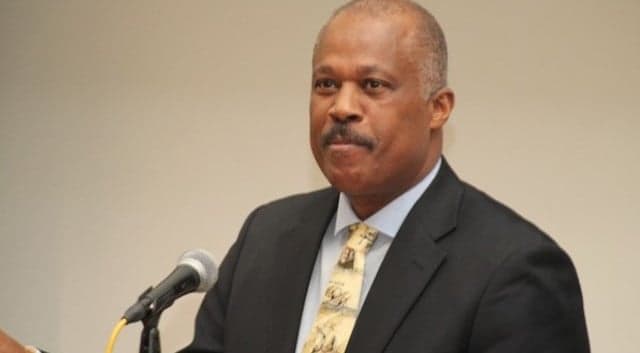
A UK philanthropist has bequeathed her properties worth US$500,000 to UWI, in a move described by the university's Vice-Chancellor, Professor Sir Hilary Beckles, as "an honorable demonstration of personal reparation and moral leadership on behalf of her family."
Bridget Freeman, a British citizen, has pledged to donate US$500,000 to the University's development fund as part of the 2021 Global Giving initiative.
The philanthropist called the conversation on the impact of slavery on the region today as "horrifying and touching." She believed that those who benefited from the crime against humanity should pay restitution. "It's not right," she added, "We owe it... the giving back simply seems so clear."
Bridget's family married into the slave-owning class of Barbados and were active in its growth and development. She has also stated her ambition to contribute to the newly formed Faculty of Culture, Creative, and Performing Arts at the Cave Hill Campus in Barbados.
It is a watershed moment in the campaign for regional reparations. Bridget Freeman should be celebrated as a citizen who has defied British white dominance and conservatism to become an activist reparationist.
Bridget has acknowledged responsibility and shown her desire to be held accountable. In this respect, she is a reparations hero, and we hope that millions of other British people in her position will rise to the occasion, come forward, and join in the healing and growth that is restitution.
The reparation investment will go to deserving students in order to continue the access revolution that is fundamental to Caribbean development and the University's strategic goal.
This donation drive has grown ingrained in the ethos of The UWI during the last five years. The 2021 campaign, on the other hand, is even more significant, with an emphasis on supporting scholarships and bursaries for students who are in poor social situations as a result of the COVID-19 epidemic.