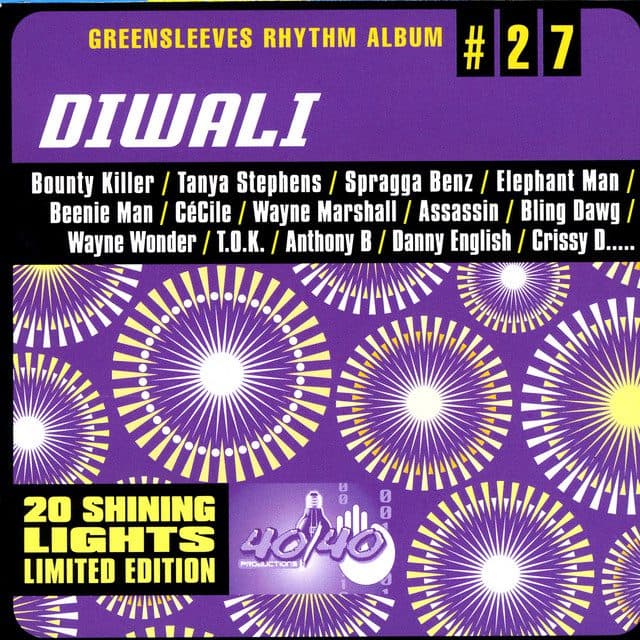
Diwali Riddim turns 20!
Key Points(5)
- After two decades, the Diwali Riddim continues to make its mark on tracks and records across the globe.
- </span></p> <p style="text-align: justify;"><span style="font-weight: 400;">Composed by Jamaican producer and musician Steven "Lenky" Marsden, the Diwali Riddim is undoubtedly one of the best rhythms out of Kingston, Jamaica.
- I was trying to give it to [vocalists], and they say it was too 'noisy-sounding,' so I put it back in my drawer," he admitted.
- "I had it for, like, three years.
- </span></p> <h2 style="text-align: justify;"><b>Diwali Riddim gets busy.
If you instantly run to the dancefloor or clap your hands uncontrollably when you hear "Shake that ting miss can yuh, can yuh?" or "Got somebody, she is a beauty," then you're a Diwali Riddim fan.
Famous for its iconic offbeat claps and spiky synthesizer notes, this dancehall rhythm claimed its fame in 2002. After two decades, the Diwali Riddim continues to make its mark on tracks and records across the globe. It's no wonder only after a year on the scene, the New York Times named it "one of the most popular reggae rhythms of all time, spawning hits, sequels and - inevitably - rip-offs." So, as Jamaica gears up to celebrate 60 years of independence, this iconic sound celebrates 20 years of success.
Composed by Jamaican producer and musician Steven "Lenky" Marsden, the Diwali Riddim is undoubtedly one of the best rhythms out of Kingston, Jamaica. But it wasn't always the first choice for artists looking to make a hit in the early 2000s.
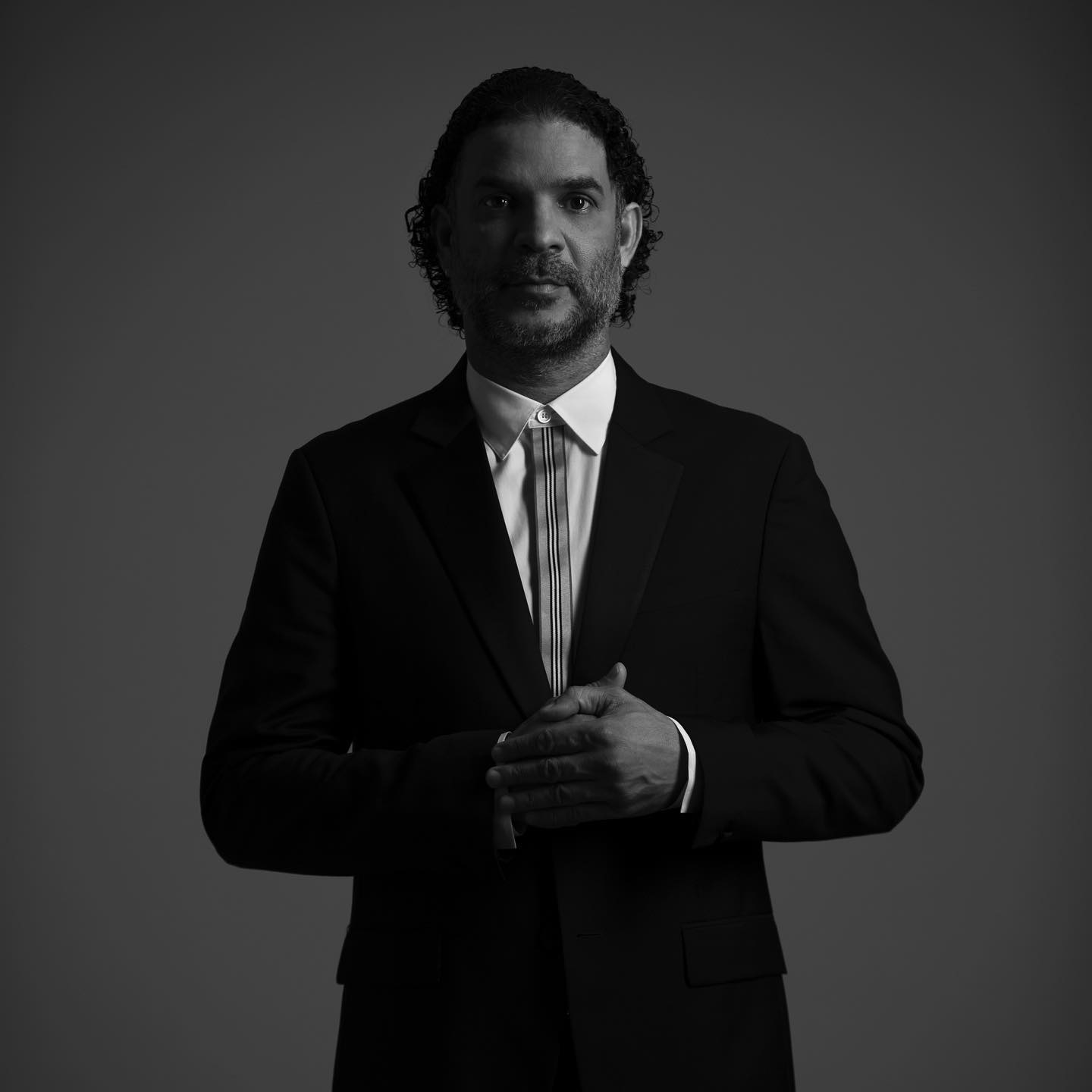
In an interview, Lenky recalls the industry's first reaction.
"No one wanted it because no one knew what it was. I was trying to give it to , and they say it was too 'noisy-sounding,' so I put it back in my drawer," he admitted. "I had it for, like, three years. Then I was going through my tape and heard it again, and I started voicing it."
Marsden says he shared the sound with artists who were less famous at the time, including Assassin, now Agent Sasco, and Zumjay, who recorded Ruffest and Tuffest and Zumjay, respectively.
Diwali Riddim gets busy.
With just these two initial tracks, the Jamaican airwaves were buzzing, and people were yearning for Diwali.
"The big names heard it, and they did it," Marsden explained. In a matter of months, dancehall Greats like Bounty Killer, Spragga Benz, Elephant Man, Beenie Man, and Tanya Stephens were voicing on the riddim to release their own versions of Diwali.
Still, creating new variants of Diwali was not strange. Marsden admits to tweaking the rhythm for each artist and sample over the years, so it was no challenge to create a new sound for dancehall sensation Sean Paul when he and his crew geared up to make Get Busy.
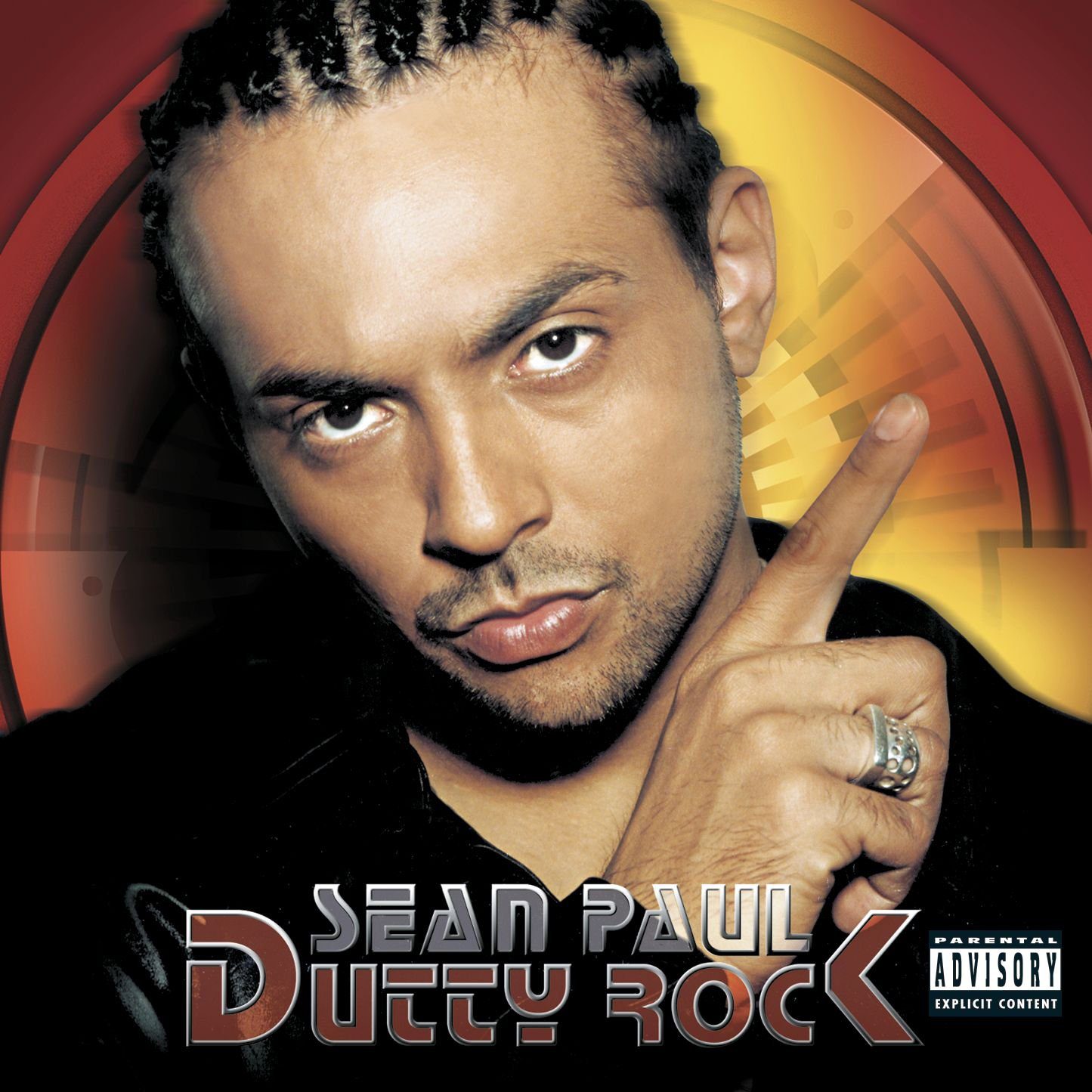
The dancehall reggae crossover star recorded Get Busy for his 2002 album, "Dutty Rock" (VP/Atlantic), and it took the charts by storm. Fans and music mavens alike often praise Paul for how he fits cool, flat melodies on top of digital beats. Lenky was sure to embellish the track with synthesized violins, giving Diwali new life once again.
Lenky and Paul gave the Diwali Riddim a club-orientated bounce synonymous with hip hop by adding an uneasy, quick piano loop in the verses and a catchy hook. Its popularity increased after steady rotation on MTV Base between mainstream hip hop and R&B songs. Get Busy became Paul and Lenky's first US Billboard #1 single allowing them to share credits for Paul's Grammy Award-winning, double-platinum selling album, "Dutty Rock."
But Diwali was no one-hit-wonder, as in just a few months, it made headlines again on Wayne Wonder's 2003 album, "No Holding Back," with the famous track No Letting Go.
Wonder recounts the moment he heard the beat in a Gleaner article published in 2019.
Tasked by his now-wife Jackie to do a song about her instead of his usual casual affairs with other women, he sat at home and began exploring concepts with Diwali in the background.
The words came to him with ease. "It was like magic," he said. In 2003, the single peaked at number three on the UK Singles Chart and 11 on the Billboard Hot 100. Soon after, American rapper LL Cool J put his spin on the track with a club-inspired remix. Still, the original calm and romantic track makes the love song playlists for reggae fans worldwide.
Following the success of No Letting Go, Diwali started to hold the attention of international artists. One was American recording artist Lumidee, who released Never Leave You (Uh Oooh, Uh Oooh), also in 2003. Featured on her debut studio album, "Almost Famous," Never Leave You (Uh Oooh, Uh Oooh) peaked at number three on the Billboard Hot 100. Outside of the United States, it topped the charts in many European countries, and the official remix featured American rappers Fabolous and Busta Rhymes.
Diwali takes a break and returns with a bang!
Then after a seeming four-year hiatus, Diwali was back on the scene. Reggae-dancehall sister duo Brick and Lace released their second single, Love is Wicked, which breathed new life into the Lenky rhythm again. A tweaked version also received a feature on the Bratz Motion Picture Soundtrack. Love is Wicked peaked at number 44 in Belgium, number four in France, where it has been certified gold, number two in Portugal, 14 in Poland, 13 in Norway, and 27 in Sweden.
https://www.youtube.com/watch?v=JNjO0BusqogOne half of the duo, Nailah "Nyla" Thorbourne, told the Jamaica Observer, "Due to the song's success, we were able to travel across the world and tour all over. It definitely did open many doors, and we made really good relationships based on that. It was a blessing, and up to this day, there is a Love is Wicked challenge on TikTok, and last year it was featured on the Jimmy Kimmel Live show on ABC." Love is Wicked celebrates 15 years this year.
Years later, Diwali remains relevant.
Nevertheless, even when Diwali played second fiddle to other elements on a track, the iconic claps throughout the rhythm continued to turn heads and waists.
In 2005, Bajan superstar Rihanna recorded Pon de Replay, changing her life and shaking the industry. Lenky's Diwali has received accreditation for influencing the sound on that track. Other notable renditions, samples, and versions include Without My Heart, Tiwa Savage, featuring Don Jazzy (2013), London Girl, Wizkid (2012), Come Back to Me, Tory Lanez (2020), and more recently, Kiss My (Uh-Oh), Anne-Marie featuring Little Mix (2021), and Over You, Ray BLK featuring Stefflon Don (2021).
No one can deny the influence of the Diwali Riddim on the industry, and Marsden continues to bask in its success. He told the Jamaica Observer in 2020, "I am pleased and proud of Diwali. I don't think there is any other rhythm out there which has been as successful with three songs making it to number one, two, and eleven on the Billboard charts."
He later named his latest venture Diwali Records after the hit composition. Based in Kingston, Jamaica, Diwali Records operates out of Area 39 Studios, the home of Lenky's popular 40/40 Productions.
After 20 years, the Diwali Riddim keeps fans clapping on the dancefloor and applauding Lenky for his masterpiece, once dubbed "the loud rhythm with the annoying clap," which has now become one of the most renowned and celebrated dancehall rhythms of all time.