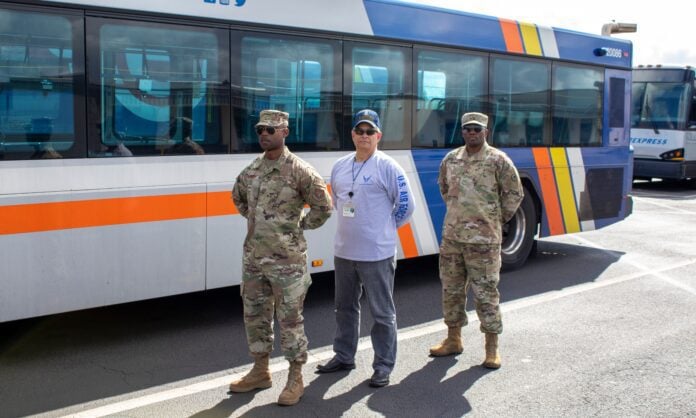
Transitioning from military service to civilian life is both exciting and challenging. After years of structure, teamwork, and specialized roles, veterans often find themselves facing an unfamiliar professional landscape. The good news is that with the right strategies, planning, and resources, veterans can successfully navigate this career shift and find fulfilling opportunities in the civilian workforce.
Understanding the Transition
One of the first steps in navigating a career change is understanding that military skills often translate into valuable civilian qualifications. Leadership, discipline, teamwork, problem-solving, and adaptability are highly sought-after qualities in nearly every industry. However, presenting these skills in a civilian-friendly way can require some adjustment. Translating military experience into resumes and interview talking points that civilian employers understand is essential.
Start by reviewing your military roles and responsibilities. Identify core skills and achievements that align with civilian job descriptions. For example, managing a team in a high-pressure military environment can translate directly into project management roles, operations management, or supervisory positions in civilian sectors. Career transition programs offered by the Department of Veterans Affairs (VA) and private organizations can help with this translation process.

Exploring Education and Certification Opportunities
Continuing education or professional certifications can significantly increase your marketability. Many industries value specialized training or credentials, and veterans are eligible for programs like the GI Bill to support further education. Whether it’s technology certifications, project management credentials, or healthcare qualifications, upskilling can help bridge the gap between military and civilian roles.
Networking with professionals in your target industry can also open doors. Attend industry events, join veteran-focused networking groups, and connect with mentors who understand the transition journey. Mentorship can provide guidance on company culture, industry trends, and job-search strategies.
Crafting Your Resume and Online Presence
Your resume is your first impression. A military-style resume won’t always resonate with civilian employers, so it’s important to translate your experience into clear, quantifiable achievements. Use action-oriented language, focus on results, and emphasize leadership, problem-solving, and technical skills.
Don’t underestimate the power of an online presence. Platforms like LinkedIn allow you to showcase your skills, endorsements, and career objectives while connecting with potential employers. Highlight volunteer work, professional certifications, and key accomplishments to strengthen your profile.
Leveraging Veteran-Specific Resources
Many organizations provide tailored support for veterans entering the workforce. The U.S. Department of Veterans Affairs, local veteran resource centers, and nonprofit organizations offer workshops, career counseling, and job placement assistance. Additionally, some financial programs, like SBA loans for veterans, can help those looking to start their own businesses, providing both funding and guidance to build successful ventures.
Preparing for Interviews
Interviewing can be one of the most challenging aspects of a career transition. Employers may be unfamiliar with military terminology, so it’s important to practice translating your experience into civilian terms. Use the STAR method (Situation, Task, Action, Result) to clearly articulate your accomplishments. Practice common interview questions and be prepared to explain how your military background makes you an asset in the civilian workplace.

Prioritizing Well-Being
Transitioning careers isn’t just a professional change; it’s a personal one too. Veterans may experience stress, uncertainty, or identity shifts during this period. Maintaining mental and physical well-being is crucial. Exercise, maintain social connections, and seek support from veteran groups or counseling services if needed. A balanced approach ensures you’re ready to thrive both professionally and personally.
Taking the First Step
Starting a new career path can feel overwhelming, but breaking it down into manageable steps can make the process more approachable. Begin by evaluating your skills, exploring education opportunities, and leveraging resources designed specifically for veterans. Connect with mentors, polish your resume, and actively seek positions aligned with your goals.
Remember, your military experience has equipped you with unique skills that can set you apart in the civilian workforce. With preparation, persistence, and support, veterans can successfully navigate career transitions and build meaningful, rewarding professional lives.