



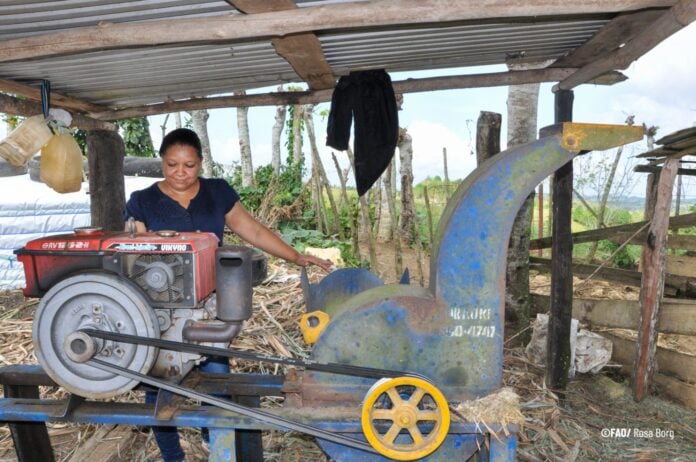
The Food and Agriculture Organization (FAO) has unveiled a new digital tool designed to strengthen the capacities, leadership, and rights of rural, indigenous, Afro-descendant, and young women throughout Latin America and the Caribbean.

This initiative forms part of FAO’s broader efforts to advance the Sustainable Development Goals, particularly SDG 1 (No Poverty), SDG 2 (Zero Hunger), and SDG 5 (Gender Equality). The organization highlights that empowering rural women is vital for food security, biodiversity conservation, and tackling climate change impacts.
Developed under the Rural Women’s Empowerment and Environmental Sustainability Acceleration Programme and the regional campaign “Rural Women, Women with Rights,” both led by FAO, the platform aims to support governments, organizations, and communities in crafting inclusive public policies and actions that promote leadership and comprehensive empowerment for women in rural areas.

Designed with gender-transformative and intersectional approaches, the platform facilitates the creation and implementation of evidence-based policies addressing the structural challenges faced by women in rural territories.
Luiz Beduschi, senior policy officer at FAO’s regional office for Latin America and the Caribbean, described the platform as “a key instrument to transform realities through knowledge, cooperation, and collective action.” He added, “It will allow us to coordinate efforts across the region and move towards more just, sustainable, and resilient agrifood systems.”
The platform features five main sections: a repository of good practices and successful experiences; a technical library with guidelines, reports, policy briefs, and diagnostic tools; a news section on gender issues in rural contexts; free training courses via FAO Campus; and a space for regional coordination events. It also serves as the official website for the “Rural Women, Women with Rights” campaign.
Maya Takagi, regional programme leader at FAO Latin America and the Caribbean, emphasized that the platform “responds to an urgent need for tools that strengthen the comprehensive empowerment of rural women and support the commitments made in the lead-up to the International Year of Women Farmers in 2026.”






 has unveiled a new digital tool designed to empower rural women throughout the Caribbean.)