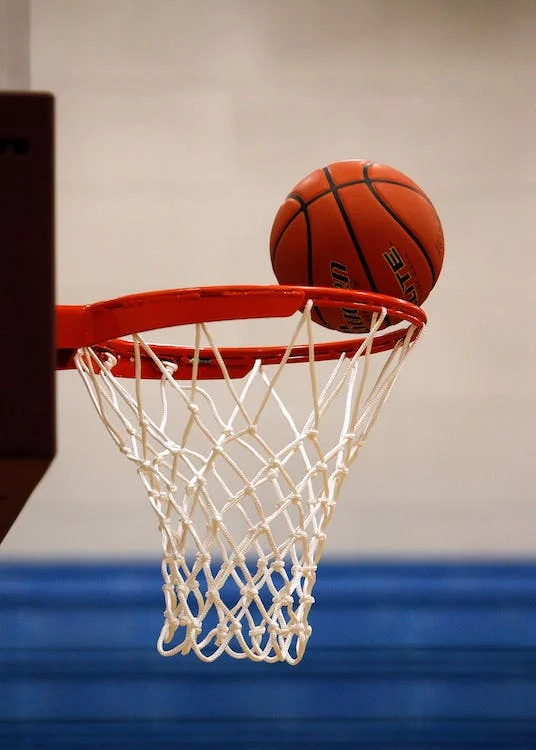
Unexpectedly, Miami has become the sports capital of America, with two of its sports teams, the Miami Heat, and the Florida Panthers advancing to national finals in basketball and ice hockey, respectively.

For most Caribbean Americans their focus is on the Heat’s unbelievable achievement as the Number 8 seed in the Eastern Conference of the National Basket Association (NBA) Eastern Conference Championships, in beating the number 1 seed, Milwaukee Bucks, Number 2, Boston Celtics, and Number 5, New York Knicks, in becoming Eastern Conference Champions.
While the Florida Panthers’, also number 8 seed in its conference, achievements are just as spectacular as the Heat’s in making it to the championship finals in the National Hockey League (NHL), as a famous Jamaican dancehall personality amusingly once said on a TV talk show, our community “nuh play hackee. We eat hackee.”

Sports include an assortment of games, which can take participants to lofty, dizzy heights, but in a split second can take them to crushing disappointments, and humiliating defeats. Sports can show a type of resilience that motivates athletes to rebound from defeat and disappointment to fantastic success.
Last Saturday night, the Miami Heat came within 2.1 seconds of winning Game 6 in the Eastern Conference Finals against the Boston Celtics and advancing to the National Championships. However, a miraculous play by the Celtics resulted in a very late basket giving Boston victory and robbing the Heat of advancing. This defeat was so painful, hardly any of the thousands of Heat fans attending the game in Miami left the arena. Most basketball commentators thought Miami couldn’t rebound from the crushing defeat to play effectively in the crucial Game 7, just two days later. But, on Monday night in Boston, the Heat defeated the Boston Celtics convincingly to win the Eastern Conference Finals.
In life, outside of sports, people often experience bitter, crushing defeats, and disappointments, when everything pointed to success. Unfortunately, some lack the strength to rebound from these disappointments and their lives go awry. But in several sports, athletes rebound to win medals and championships that previously alluded to them. In track and field, there’s plenty of evidence of athletes rebounding after bitter losses. Some athletes, through hard work and dedication, never give up trying and win medals when they were counted out. This is seen in the outstanding achievements of athletes like Jamaican world-class champion sprinter Shelly-Ann Fraser Pryce, who has been resilient since 2010 despite various odds.
Addressing the media, after the Miami Heat’s win on Monday night, the team’s coach in an interview commented, “Damn, winning a championship is hard, but our guys just kept on putting in the hard work to win.” It’s just like life. Little about life is usually easy. It takes hard work to be really successful.
Last year, at the soccer World Cup in Qatar, several teams, not known for their soccer prowess, defeated powerhouse teams. Notably, Saudi Arabia defeated Argentina; Japan defeated Germany and Spain; and Morocco defeated Spain. These lesser-known teams toppled legendary winning teams, not by sports’ luck, but through persistent hard work, determination, and heart; qualities too often lacking in life.
Sports teach valuable life lessons, way beyond the field of play. The following are some important lessons sports teach as we watch our favorite team or athlete perform:

Discipline and Hard Work: Sports require discipline and dedication to improve skills and achieve success. Athletes learn the importance of setting goals, making sacrifices, and putting in hard work to meet their goals. These principles can be applied to various aspects of life.
Perseverance and Resilience: Sports often involve setbacks, failures, and obstacles. Athletes learn to persevere through challenges, rebound from defeats, and maintain positive attitudes. This resilience is needed to help individuals face and overcome life’s adversities.
Teamwork and Cooperation: Many sports require teamwork, trust, effective communication, and cooperation to succeed. These skills are crucial in professional settings, relationships, and collaborative projects.
Integrity: Sports emphasize the importance of fairness, integrity, and respect for opponents. Athletes learn to lose and win with grace and dignity, while upholding ethical standards. Such standards and qualities of integrity are sorely needed in several aspects of life today.
Time Management and Prioritization: Balancing sports with other commitments, like academics or career, requires effective time management and prioritization skills. These are also invaluable life management skills.
Goal Setting and Motivation: Sports provide opportunities for setting specific goals and working towards them. Athletes usually set realistic targets, develop action plans, and stay motivated. Too many people live without setting goals.
Handling Pressure and Dealing with Success/Failure: Sports often involve high-pressure situations and competitions. Athletes learn to stay focused under pressure and challenging circumstances. They learn to cope with success and failures and keep on going while managing their emotions and maintaining a balanced perspective.
Health and Well-being: Sports promote physical fitness, healthy habits, overall well-being, maintaining proper nutrition, regular exercise, and sufficient rest. These are crucial habits contributing to improved physical and mental health, and a better quality of life.