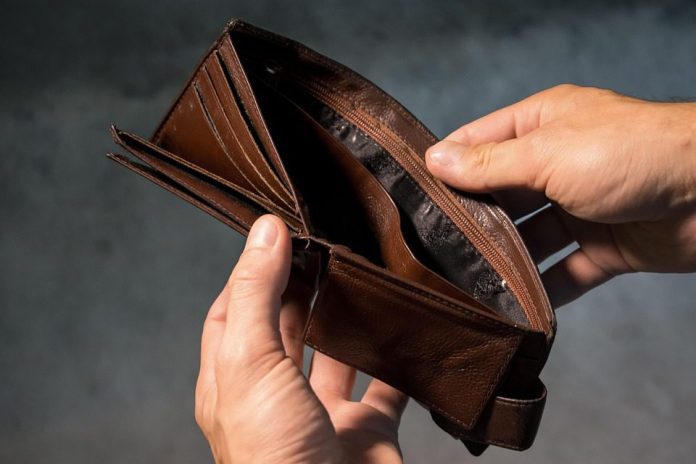
Regardless of how much those living in the Jamaican diaspora in the USA complain of financial hardships, it is almost certain the hardships experienced are nothing compared to the poor and less fortunate living in Jamaica.
Recently, there was a video that went viral on social media, showing a 14-year-old boy in a Jamaican inner city community, actively trying to teach his peers so they can lift themselves from the magnet of poverty which usually leads to crime. This young man, weary of the surging criminal violence in his community is committed to making a change for the youth and using education as a tool for change. But he’s struggling to find resources, like pens, pencils, paper, and reading material, to offer to the peers he’s trying to educate. He said he gets by getting material by skimping on his lunch money.
Almost daily, news out of Jamaica reveals heart-rending stories of people suffering with inadequate supplies for school; people living in deplorable housing conditions; people unable to access medical treatment because of lack of funding; people, including children, living malnourished as families cannot afford proper meals.

Like the reaction to the video mentioned above, members of the diaspora in interacting with each other will sympathize passionately with these victims of poverty. But if asked to help in making a financial contribution to help alleviate the adverse circumstances, either don’t respond or complain they are unable to help.
This reaction was experienced last week when a member of the South Florida community tried raising funds to purchase and send school supplies to the young man trying to teach his peers in his Jamaican community. The gentleman trying to raise the funds circulated the video to over 100 Jamaicans in the community and asked for financial contributions to purchase the supplies. He, very disappointedly, said only five people made contributions. Trying to raise $500 to purchase the supplies, he received just $48.
The Diaspora has the tendency to readily criticize Jamaican governments, and public and private organizations for not doing enough to alleviate the pressures of poverty felt by so many. But what is the diaspora doing about getting involved in an organized manner to also help to alleviate this poverty?

There are several private organizations in South Florida, for example, involved in fund-raising drives to help particular social causes in Jamaica. Much gratitude goes out to these organizations. But too often they experience great difficulties in meeting their funding targets. It’s not unusual for these difficulties to kill the enthusiasm within these organizations to continue their funds raising efforts.
It’s difficult to understand how ready one is to spend, say $70, to purchase a ticket for a stage show or sport event, but is reluctant to donate just $10 to help a poor child, or homeless family in Jamaica.
Ten dollars may seem like no big deal to someone living in the USA, but US$10 dollars converts to over $1500 Jamaican dollars and can go a long way to feeding a hungry child in Jamaica.

Grateful as the community is for the various organizations involved in contributing to the socio-economic needs of poor Jamaicans, much more is needed. There is a real need for the creation of a sort of Jamaica Diaspora Social Fund, preferably under the auspices of an umbrella not-for-profit entity. The primary mission of this Fund would be to collaborate an organized, sustained fund-raising drive across the Jamaican diaspora in the US, collecting, banking, and disbursing these funds to persons and projects with serious social needs in Jamaica.
Because of past bad experiences with funds and materials sent to Jamaica, being mysteriously diverted from the purposes for which they were sent, some people are wary of such altruistic endeavors. Therefore, it would be wise if the operators of the proposed Diaspora Fund in the USA, also be directly involved in coordinating the disbursement of funds in Jamaica, so they are not illegally and selfishly diverted.
It’s suggested this is a project respective Jamaica Diaspora Board members could adopt as a priority. Doing so, would certainly enhance these board members’ relevance and visibility to the diaspora. However, if not the Diaspora board members, there’s urgency for competent people to come forward to be involved in the establishment of such a Jamaica Diaspora Social Fund.
It simply isn’t enough for members of the diaspora to verbally sympathize with poor Jamaican mothers, teenagers, or young children they read about, or see in heart-rending videos. Practically, there’s plenty the Diaspora can do to alleviate the persistent poverty being experienced by so many in Jamaica. It’s time to stop shaking heads in sympathy and put hands in their pockets to contribute to helping the less fortunate back home in Jamaica.