With the economic fallout from the pandemic still affecting countries, Caribbean nations and their diaspora cannot afford a bad hurricane season.

Apart from the impact on infrastructure and access to life-sustaining necessities in the affected islands, disasters do put stress on the diaspora which becomes the cornerstone for support, especially financial.
The hurricane season in the Caribbean will last until November 30th and the region is gearing up for yet another active Atlantic hurricane season, compounded by the continuing challenges and constraints of the coronavirus (COVID-19) pandemic.

According to the National Oceanic and Atmospheric Administration (NOAA) forecast, a 60 percent chance of an above-normal season is expected this year, with a likely range of 13 to 20 named storms (winds of 63 kmh / 39 mph or higher), of which 6 to 10 could become hurricanes (winds of 119 kmh / 74 mph or higher), including 3 to 5 major hurricanes (category 3, 4 or 5; with winds of 179 kmh / 111 mph or higher).
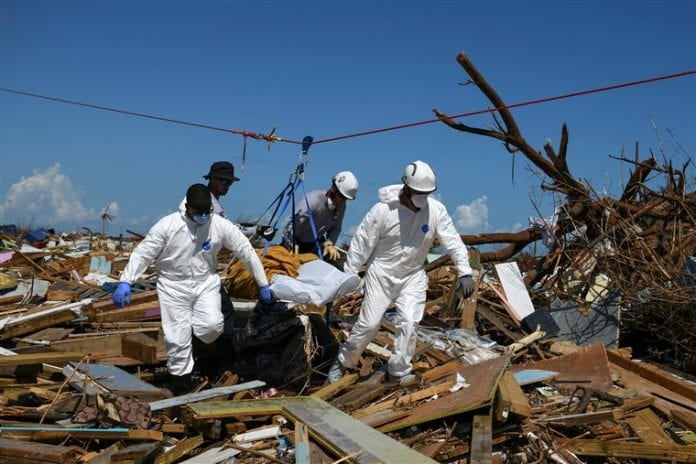
Last year the Atlantic produced 30 tropical storms, fourteen of which became hurricanes. The damages for the season were estimated at about US$51 billion and 417 persons lost their lives. Many parts of the region are still recovering from that record-breaking 2020 Atlantic hurricane season which came on the heels of bad 2019 and, in particular, the 2017 season.
Caribbean governments and their people are still trying to deal with the economic ravages of the covid-19 pandemic, and any more expenses would hurt worse. A bad hurricane or two could cause massive damages and major disruption to families and livelihoods, especially at this time.
Jamaica already estimates that damages from Elsa, the first hurricane, would run about Ja$800 million and we are yet to hear the stories of Barbados, Haiti, the Dominican Republic and the other islands that were affected.
In 2020 $103 billion dollars went into the economies of Latin America and the Caribbean from remittance. This is an estimated increase of 6.5 percent according to the world bank. The Dominican Republic, Haiti and Jamaica received the bulk of the Caribbean recipients taking in US$8.3, US$3.1 and US$3 billion respectively. Most of this financial support came from the USA. Think of how many other ways some of this money could have been invested if it didn’t end up somewhere to provide support.
While we cannot prevent the hurricanes from coming, on a personal level we do have some control over the destruction it causes and the effects on lives. We, therefore, encourage all members of the diaspora to constantly remind families and friends back home of the best hurricane practices to minimize damage and destruction. These include getting emergency supplies, making a disaster plan, ensuring that homes are secured and safe, ensuring that dangerous obstacles are removed from yards or secured, ensuring their communities are prepared and pay attention to warnings and forecast.

With better preparation, it is more likely to have less damage on properties, less loss of lives and less need for support.