WASHINGTON, April 23, 2020 – The global economic shock of the COVID-19 pandemic has driven most commodity prices down and is expected to result in substantially lower prices over 2020, the World Bank said in its April Commodity Markets Outlook.

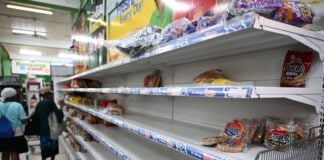
Energy and metals commodities are the most affected by the sudden stop to economic activity and the serious global slowdown that is anticipated. Commodities associated with transportation, including oil, have experienced the steepest declines. Despite only moderate impact on the outlook for most agricultural commodities, supply chain disruptions and government steps to restrict exports or stockpile commodities raise concerns that food security may be at risk in places, the report says.
“In addition to the devastating human toll, the economic impact of the pandemic will dampen demand and cause supply disruptions, negatively affecting developing countries that rely heavily on commodities,” said Ceyla Pazarbasioglu, World Bank Group Vice President for Equitable Growth, Finance & Institutions. “Policymakers must resist the urge to impose trade restrictions and actions that put food security at risk, as the poor would be hit the hardest.”

Monthly average crude oil prices plunged 50 percent between January and March. Prices reached a historic low in April with some benchmarks trading at negative levels. They are expected to average $35 per barrel in 2020, a sharp downward revision from the October forecast and a 43 percent drop from the 2019 average of $61 per barrel. The downward revision reflects an historically large drop in demand. The decline in crude oil prices has been exacerbated by uncertainty around production agreements among the Organization of the Petroleum Exporting Countries (OPEC) and other oil producers. Energy prices overall (which also include natural gas and coal) are expected to average 40 percent lower in 2020 but see a sizeable rebound in 2021.
Metal prices also fell in early 2020. The biggest declines were in copper and zinc, which are particularly associated with global economic activity. Metal prices are projected to drop 13 percent overall in 2020 as slowing demand and the shutdown of key industries weigh heavily on the market.
Agriculture prices are less tied to economic growth, and saw only minor declines in the first quarter of 2020, except for rubber, which is used in transportation. Prices are expected to remain broadly stable in 2020 overall as production levels and stocks of most staple foods are at record highs. However, agricultural commodity production could face disruptions to the trade and distribution of inputs such as fertilizer, pesticides, and labor availability. Disruptions of supply chains have already affected emerging market and developing country exports of perishable products such as flowers, fruits, and vegetables.
“This enormous shock to commodity markets and low oil prices could deliver a serious setback to developing economies and jeopardize the necessary investments in critical infrastructure that support long term growth and create quality jobs,” said Makhtar Diop, World Bank Vice President for Infrastructure. “The international community must rally together to address these setbacks by advancing interventions in diverse sources of energy, sustainable transport and access to digital infrastructure and services that allow people to stay connected during these uncertain times. This will be key to delivering vital social services, protecting jobs, supporting business and saving lives.”
An analytical focus examines the impact of the COVID-19 pandemic on commodity markets. Mitigation measures taken to control the virus have resulted in an unprecedented collapse in oil demand, and supply chain disruptions could cause dislocations in the consumption and production of other commodities and imperil food security. The pandemic has the potential to affect commodity demand and supply for an extended period, the analysis finds.
The plunge in oil prices provides policymakers in emerging market and developing economies with an opportunity to undertake energy-subsidy reforms. These reforms can help free spending for urgent pandemic-related purposes, discourage wasteful energy consumption, and reallocate spending to programs that better target the poor.

.