Official recommendations have been released based on discussions from this summer’s 6th Biennial Jamaica Diaspora Conference, released by the Ministry of Foreign Affairs and Foreign Trade (MFAFT). The planned agenda reflects critics’ urging for more room for diaspora leadership on crucial issues.

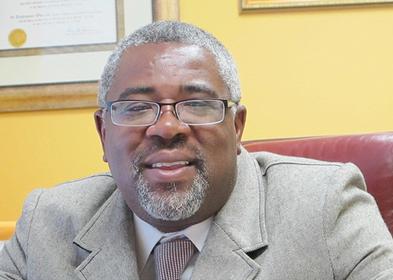
Jamaica Diaspora Board Member for the Southern United States, Wayne Golding applauded the recommendations, though noting that “while they are not all encompassing, these are benchmarks from which another report card can be fashioned to cover the next two years of activities.”
But Golding argued that strong diaspora guardianship, particularly for the proposed Community Development Projects, will prove essential. The report strongly recommends that the Ministry of Local Government create a Diaspora Liaison Committee that will directly work with parish councils on key community projects.

“The Parish Council (Local Government) level is where the bulk of impact will be from the Diaspora to impact growth and development,” said Golding.
Young Jamaican-American Nicole Blissitt from Miramar hopes that the young second and third generations will not have to wait for the government to finalize the proposed special conference for youth in 2016, similar to the “Future Leadership Jamaican Diaspora Conference” held in 2009.
“We shouldn’t depend on Jamaica to convene this conference,” said Nicole. “There are youth here in South Florida who are ready to convene such a conference in the U.S., as we feel there is a big misconnect between Jamaica and youth in the Diaspora.”
Other Jamaicans believe the church recommendations should be stronger. The report suggested that church groups in the Diaspora should appoint a “church and community liaison,” and compile a database that reflects the available skills and resources of their membership to effectively collaborate with Churches in Jamaica. The report also suggested that church groups should be enlisted for mentorship programs for the youth.
But Pastor Ruby Best of Riviera Beach, says the recommendations avoid addressing how the two communities can tackle the most pressing issues facing the Church today.
“I would have been more pleased to see recommendations related to churches in the Diaspora and Jamaica collaborating to find solutions to sexual child abuse, homosexuality, and other grave iniquities currently plaguing Jamaica,” noted Pastor Best. “But let’s give thanks we can start with the recommendations for the churches to collaborate generally, and build from there.”

The report also advocated for the established of Diaspora Enterprise Fund, to promote entrepreneurial collaboration. The concerns of returning resident were also addresses, with suggestions for launching a comprehensive “Returning Residents’ Pack” publication tacking housing and healthcare services. Jamaica’s housing and health infrastructure was a major concern. The report recommended that the government can fund and organize “roadshows” including a panel of experts aimed at driving infrastructure/housing development.