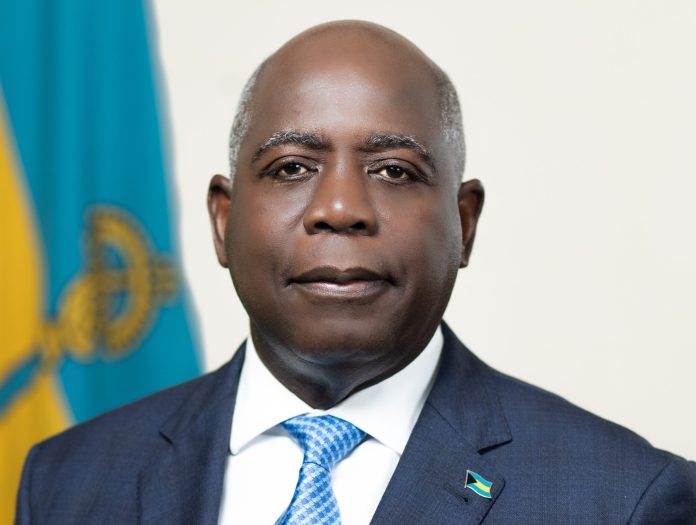
The government of The Bahamas has announced a series of stricter immigration enforcement measures, including daily fines for visa overstays, stronger penalties for immigration fraud and a new biometric border system, as part of its legislative agenda for the new parliamentary term.

The proposals were outlined Wednesday during the Speech from the Throne delivered at the State Opening of Parliament following the re-election of Prime Minister Philip Davis’ administration.
In the speech, the government said “strong borders and lawful immigration systems are essential to national stability and sovereignty,” as it pledged sweeping reforms aimed at tightening immigration oversight and enforcement.

Among the measures announced is the proposed Employer Immigration Compliance Act, which would impose tougher penalties on employers found abusing the work permit system or engaging in unlawful employment practices involving non-nationals.
The government also plans to establish a Bahamian E-Verify Portal that would allow employers to confirm an individual’s legal work eligibility before hiring.
Officials further announced plans to introduce daily overstay fines for individuals who remain in the country unlawfully after their permitted stay expires, alongside stricter enforcement of re-entry bans.

A major component of the proposed reforms involves the creation of a National Biometric Immigration System, which would include biometric e-gates, overstay alerts and expanded fraud detection capabilities at the country’s borders.
The Davis administration also said it intends to establish a dedicated Immigration Fraud Intelligence Unit tasked with investigating and prosecuting immigration-related fraud cases.
In addition, the government plans to introduce mandatory sentencing provisions for public officers found facilitating immigration or passport fraud.

The immigration proposals come as Caribbean governments continue grappling with irregular migration, border security concerns and growing regional pressure to modernize immigration systems.
During the address, the government acknowledged that The Bahamas faces “pressures from irregular migration” alongside broader economic and geopolitical challenges affecting small island states.
The immigration reforms form part of a broader legislative agenda that also includes measures related to cybersecurity, labor reform, healthcare, housing, energy and economic development.