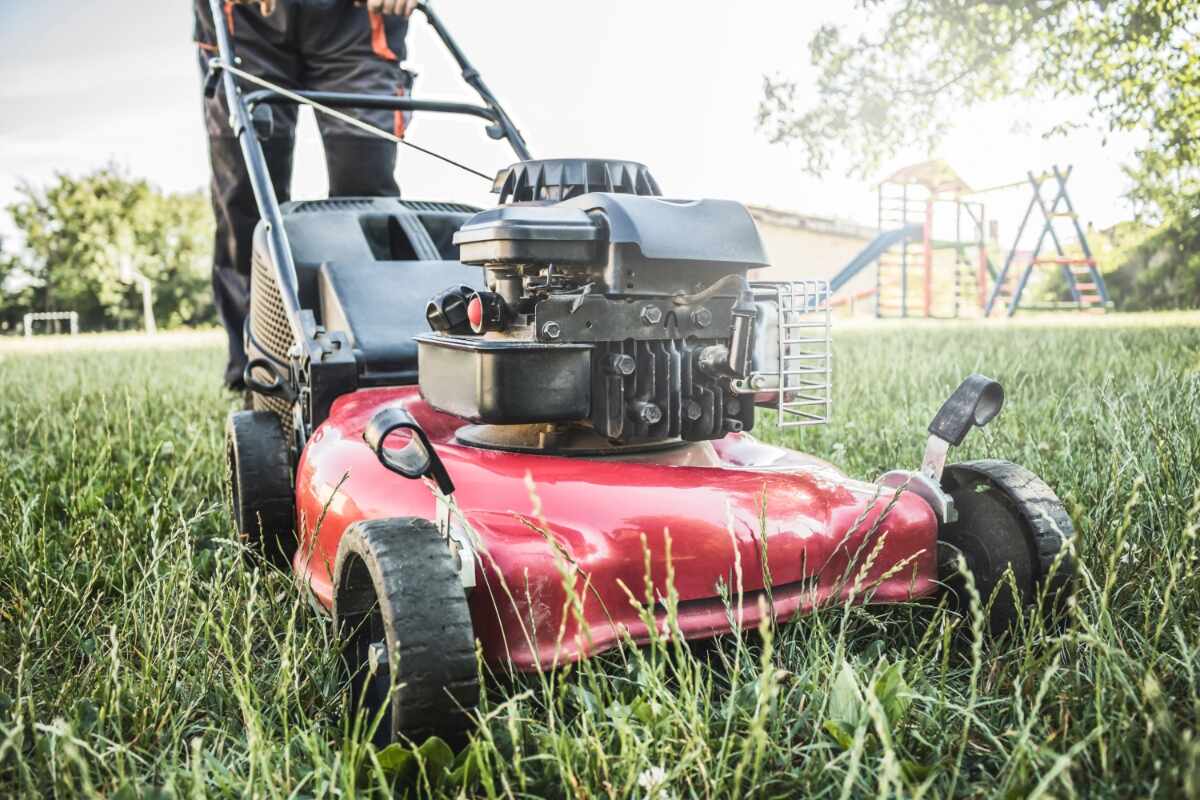
Maintaining a lush, well-kept lawn requires more than just regular mowing; it also involves keeping your lawn mower in top condition. Over time, even the most reliable mowers experience wear and tear, and certain parts may need replacement to keep your equipment running efficiently. By taking care of a lawnmower at regular intervals, one can ensure it lasts longer and maintains a manicured look on the lawn. But eventually, most owners end up replacing parts of the mower. Knowing which parts often require maintenance can prevent interruptions during mowing season and ensure everything runs smoothly.
Blades: Keeping the Cut Sharp
High-quality lawn mower parts ensure your mower runs efficiently and lasts longer. Blades often experience wear and tear, particularly when you mow the lawn frequently. When knives are dull or damaged, they can rip grass instead of cutting it, resulting in an uneven lawn. What we are doing here is replacing any worn blades to bring the cutting performance back up to optimal before we can send it back out into service.

However, in other situations, relying solely on new sharpenings could be risky, particularly if the edge has sustained a severe nick or bend, necessitating a new blade. During maintenance, before you do anything else, inspect for rust or cracks.
Air Filter: Protecting the Engine
If you want dirt and debris out of the engine, you will need the air filter. Eventually, it clogs up, diminishing airflow and turning your engine into a straw. A filter that is too dirty can also cause the mower to consume more fuel. This filter is a minor component and relatively easy to replace, so keeping it in good condition is essential for a smooth-running engine. Frequent filter changes also extend the mower’s lifespan.
Spark Plug: Reliable Ignition
The spark plug provides the spark needed to combust the fuel and run the engine. Carbon will build up on the plug with regular use, and use can weaken the plug over months. If a spark plug is starting to fail, you may notice difficulty in starting the engine or rough running. This part definitely should be replaced every season or two to keep the mower running.
Oil Filter: Cleaner Operation
An oil filter is used to prevent contaminants from entering the engine oil. Dirty oil can wear out engine components, reduce engine efficiency, and break down more quickly. Changing the oil filter (in conjunction with regular maintenance) helps safeguard the engine and extend its longevity. The replacement interval should always be written in the owner’s manual.
Drive Belts: Power Transmission
Drive belts transfer power from the engine to the wheels or blades. Belt wear and tear: Belts can crack, stretch, or slip over time, leading to poor performance. A worn belt is especially likely if the mower stops moving forward or the blades stop spinning after it has started successfully. To start and finish each season, inspect belts for wear.
Wheels and Tires: Smooth Movement
Wheels and tyres are abused, and bumpy roads are continuously used. Tread wear can lead to wheel damage, resulting in an unbalanced wheel or even a wheel breakage. Smooth movement is restored with new wheels or tyres, preventing uneven mowing. This procedure ensures that the sizes and types are correct for effective and safe operation.
Battery: Consistent Starts
Electric-start mowers and battery-powered models depend on a well-charged battery. Batteries naturally lose their capacity to hold a charge with time. If it struggles to start or feels completely devoid of power, it is another clue that you need a new one. Another way to ensure better battery longevity is to frequently check the terminals for corrosion.
Fuel Filter: Preventing Engine Trouble
A fuel filter is used to prevent impurities from reaching the engine. Over time, it can become dirty, resulting in reduced fuel flow and poor performance. Sputtering, stalling, or difficulty starting are signs of a clogged fuel filter. Changing it periodically will keep things running smoothly.
Cables and Switches: Safe Control
Control cables connect the controls on the handle with the engine and the mower drive systems. The wires can become frayed or stretched, and if they fail, this may result in safety risks or a loss of control. A worn-out switch can mean the mower won’t start. By replacing these components, one can safely handle and operate them without any issues.
Conclusion
Inspecting and replacing worn parts as necessary will keep a lawn mower running at peak condition. Regular maintenance of blades, filters, belts, wheels, and other components helps prevent catastrophic failures. Properly maintaining a mower keeps yard work simple and efficient and helps ensure every lawn looks its best throughout the growing season.