Dozens of voters lined up at polling stations by dawn on Monday as Guyana holds what many are calling the country’s most consequential election in decades. The winner will oversee a nation now generating $10 billion annually from offshore oil and gas production, transforming an economy historically dependent on gold, sugar, rice, bauxite, and timber.
In recent years, Guyana has emerged as one of the world’s fastest-growing economies, with daily oil production nearing 900,000 barrels and GDP increases averaging 15% annually over the past six years, according to the World Bank. ExxonMobil, leading an international consortium, has applications for four additional oil fields, promising even greater revenue in the coming years.
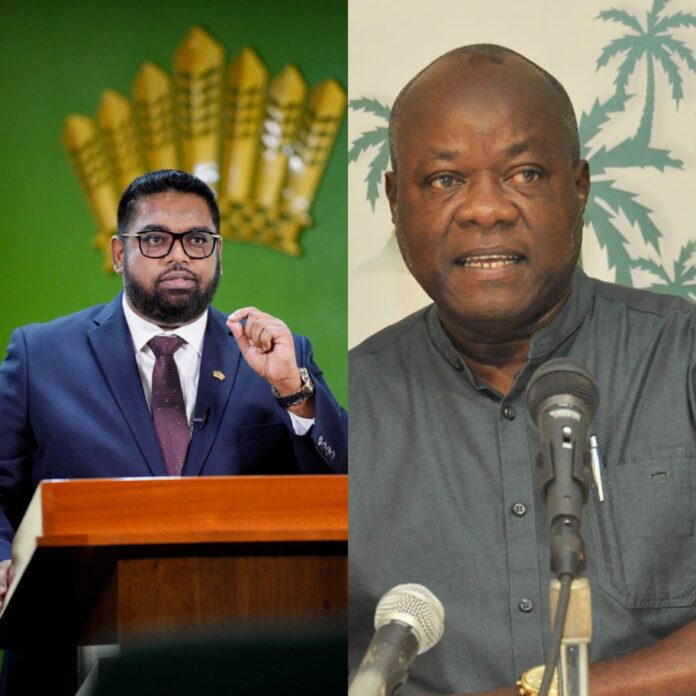
The Electoral Commission has printed ballots for six parties, but attention centers on three: the governing Indo-Guyanese-supported People’s Progressive Party (PPP) led by President Irfaan Ali; the Afro-Guyanese-backed main opposition A Partnership for National Unity (APNU) led by political scientist Aubrey Norton; and newcomer mixed-race party We Invest In Nationhood (WIN), founded in May and led by U.S.-sanctioned businessman Azruddin Mohamed.

For President Ali, 45, this election represents his most important since Guyana’s independence from Britain in 1966. He urged voters for a second term, highlighting his party’s experience in steering the nation’s oil-driven economy.
“We ask you to trust us once more to deliver greater, better, faster and more efficiently,” Ali told supporters at a coastal rally Saturday. “We have the experience, and you can trust us to lead you into the bright prosperous future ahead of us.”
APNU, meanwhile, has accused Ali’s administration of corruption, nepotism, harassment of opposition voices, and mismanagement of oil revenues.
“Our aim is to restore decency in Guyana, to restore law and order, and to lift the people of Guyana out of poverty,” Norton told a final rally. “We want to build a society that truly serves its people and ensures that every Guyanese benefits from our nation’s oil wealth.”
The newcomer party WIN, led by Azruddin Mohamed, has found support among first-time and younger voters. Mohamed faces ongoing scrutiny, however. Last year, the U.S. Treasury Department sanctioned him, his father, their gold-exporting company, and a government official for alleged involvement in a bribery scheme from 2019 to 2023. Mohamed denies the accusations.
The U.S. government has expressed concerns about Mohamed’s candidacy, warning that American officials and companies might avoid engagement with agencies he could lead.

Monday’s election will determine the presidency and all 65 seats in Parliament, giving the winning party control over state coffers and billions in oil revenue. Several international groups are monitoring the vote, including The Carter Center, the Organization of American States, and CARICOM.
In a pre-election statement, The Carter Center criticized the size of Guyana’s voter list and the absence of a 2022 population census, noting that the lack of current demographic data “obscures public understanding of basic population demographics and their potential relation to the size of the voter list.”
Guyana has 757,000 registered voters in a nation estimated to have 794,000 residents, underscoring the high stakes and intense scrutiny surrounding Monday’s election.