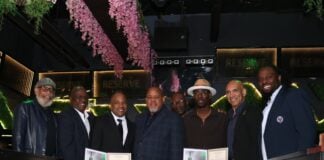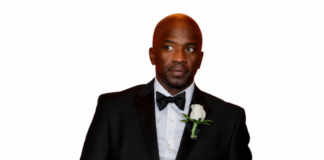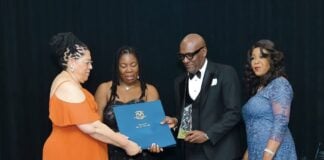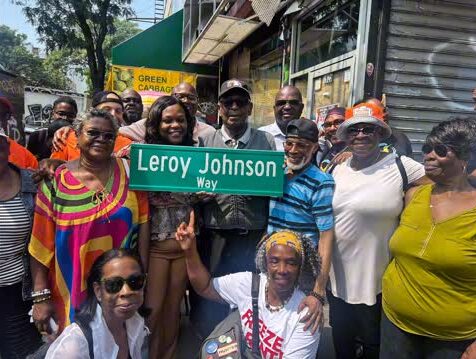
The corner of Church Avenue and St. Paul’s Place in Brooklyn, New York, has been officially renamed Leroy Johnson Way in tribute to the late Jamaican immigrant and housing rights advocate who dedicated decades to empowering the Flatbush community.
The street co-naming, led by New York City Councilmember Rita Joseph, celebrates Johnson’s tireless work organizing, advocating, and driving social change. “As we unveil this street sign, it reminds us that true change begins at the grassroots, when we come together and organize to uplift each other. Leroy’s name should serve as a constant reminder that our strength lies in our unity,” said Councilmember Joseph.

Johnson, who passed away on July 6, 2024, was the chairperson of the New York Communities for Change (NYCC) Flatbush Chapter since 2010. Under his leadership, the chapter expanded its membership and engaged in numerous campaigns, including the Fight for $15 minimum wage and efforts to secure Universal Pre-K for New York City children.
A leading figure in New York’s tenant movement and a key player in the 2018 campaign for stronger rent laws, Johnson helped establish tenant organizations throughout Flatbush. During the pandemic, he spearheaded the fight for the nation’s longest-running eviction ban and helped secure over $2 billion in rental assistance for struggling residents.
“As the President of our Flatbush Chapter, Leroy organized, empowered, and uplifted all his neighbors every day. This street co-naming is a powerful way to remember his legacy of service, love, and enduring power in the community,” said NYCC Executive Director Olivia Leirer.
Johnson’s community activism extended beyond housing. In 2020, he launched a monthly pop-up food and essentials pantry, distributed personal protective equipment (PPE) to residents, and organized an annual sleeping bag drive for homeless New Yorkers. His commitment to service began in Jamaica at age 14, leading a youth group for the Social Development Commission.
After immigrating to New York City in 1997, Johnson worked as a security officer before opening a shop on Flatbush Avenue. His legacy—from grassroots organizing to legislative victories—now lives on at the intersection that bears his name, serving as a lasting tribute to his profound impact on the community.