The Bahamian government is urging citizens to avoid all travel to Haiti due to an ongoing deterioration in the country’s security and humanitarian conditions, including gang violence, widespread kidnappings, political instability, and critical shortages of essential supplies.
The Ministry of Foreign Affairs issued the updated advisory on Thursday evening, underscoring a “high risk of violent crime, limited access to airports and borders, and heightened natural disaster risks” across much of the country.
High-Risk Areas
The advisory strongly warns against travel to Port-au-Prince, including Bel Air, Carrefour, Cité Soleil, Martissant, and several other districts. Entire departments—Artibonite, Centre, Nord-Ouest, Nippes, Ouest, and Grand’Anse—are also listed as no-go zones. Additionally, border areas with the Dominican Republic are considered unsafe due to heightened criminal activity.

Travel to other areas such as Nord, Nord-Est, Sud, and Sud-Est Departments, including major cities like Cap-Haïtien, Jacamel, and Fort Liberté, is discouraged unless absolutely essential. Travellers are advised to consult updated travel guidance before departure and proceed with extreme caution.
Entry Requirements and Documentation
Bahamians visiting Haiti must present a passport valid for six months, and a USD $10 tourist tax is payable in cash upon arrival. Although a visa is not required for short stays, travellers planning to remain in Haiti for more than 90 days must register with the Directorate of Immigration and Emigration to avoid fines or deportation.
Children traveling unaccompanied or with one parent require notarized documentation. Travellers arriving from yellow fever risk areas must provide proof of vaccination.
Air Travel and Border Access
Following violent gang attacks on aircraft in late 2024, the U.S. Federal Aviation Administration (FAA) has extended its ban on commercial flights to Port-au-Prince until at least September 2025. While Toussaint Louverture International Airport has resumed limited domestic operations, international flights are being redirected to safer alternatives — namely Cap-Haïtien International Airport in the north and Antoine Simon International Airport in Les Cayes.
Bahamasair continues to operate flights from Nassau to Cap-Haïtien on Tuesdays, Wednesdays, and Saturdays.
Crime, Civil Unrest, and Police Risks
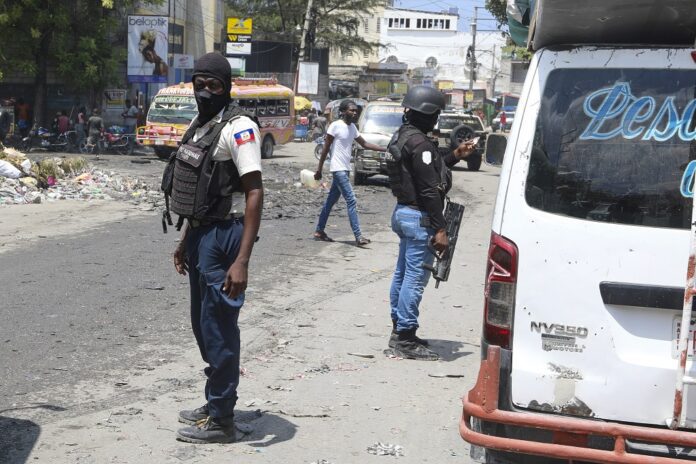
Gang control remains rampant, particularly in Port-au-Prince and Artibonite, with criminal elements actively expanding their influence beyond the capital. Violent crimes — including armed robbery, murder, rape, and kidnapping — remain alarmingly common. The advisory notes that some rogue elements within the Haitian National Police may pose additional threats to traveler safety.

A nationwide state of emergency is in effect, with enforced curfews and an increased police presence. Demonstrations, often violent, are frequent and unpredictable.
Travellers are reminded to carry a copy of their passport and entry stamp at all times, as failure to show legal documentation could result in detention. Possession of controlled substances, including cannabis, is strictly prohibited, with severe penalties. Importing agricultural goods or endangered seafood without proper documentation may result in fines or confiscation.
For Bahamian nationals currently in Haiti or planning to travel, the Ministry urges immediate reconsideration of travel plans, and for those in-country to register with the nearest consulate and maintain high personal security awareness at all times.