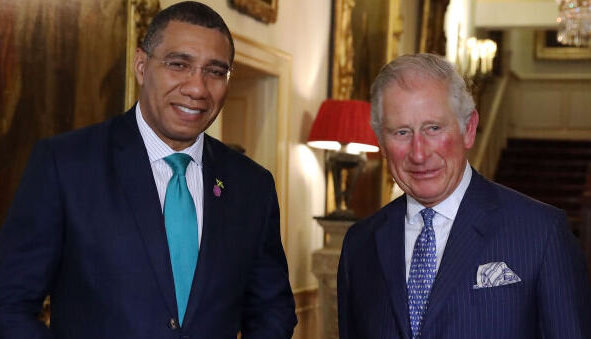
For generations, Jamaicans have marked August 6 with celebration, waving flags, singing anthems, and honoring the country’s independence from British colonial rule. Yet for many, the journey has felt incomplete. Though independent since 1962, Jamaica’s Head of State remains the British monarch, a symbolic tie to its colonial past that some believe no longer reflects the nation’s identity.
Now, as Jamaica takes measured steps toward becoming a republic, the national conversation has reignited. Views vary, but a common thread weaves through the discourse: It is time to fully claim Jamaica’s sovereignty and take full ownership of its future.
Among those voicing support is Truston Grizzle, a former youth parliamentarian who sees this moment as pivotal, both historically and personally.

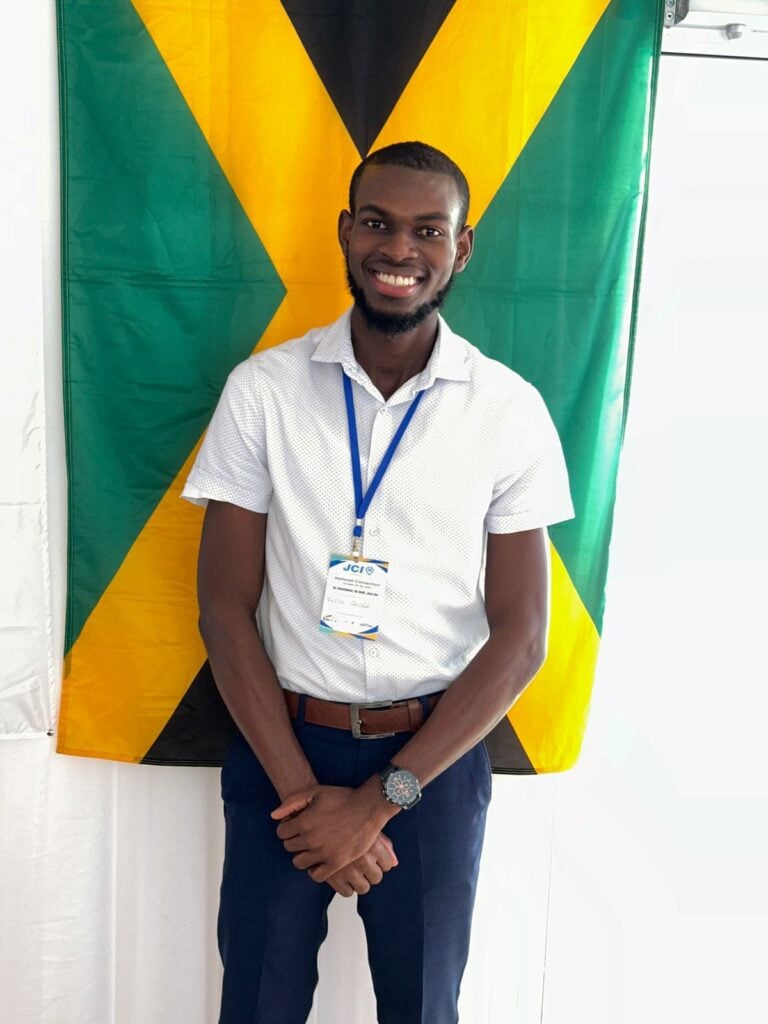
“I am elated to be a part of an era where such monumental constitutional reforms will, or should, take place. While I will admit that the previous failed attempts of reform in the 1970s and 1990s left a microscopic doubt lingering in the back of my mind that these changes will be actualized, I am confident that our leaders of today are more enlightened as to the need and urgency of crossing this historical hurdle,” he said.
Grizzle sees the republic transition as a continuation of the independence movement, a step that will empower young Jamaicans to shape the nation’s identity more boldly and without compromise.
“Jamaica, in 1962, experienced a birth; one that allowed us to be relieved of the oppressors that held us in slavery. Those were cruel, harsh, inhumane years where we were treated as nothing but the property of the slave masters… As young individuals, this is our greatest chance to be a part of history that will completely revolutionize our future and make us the truly independent nation we deserve to be,” he urged.
A Call for True Independence
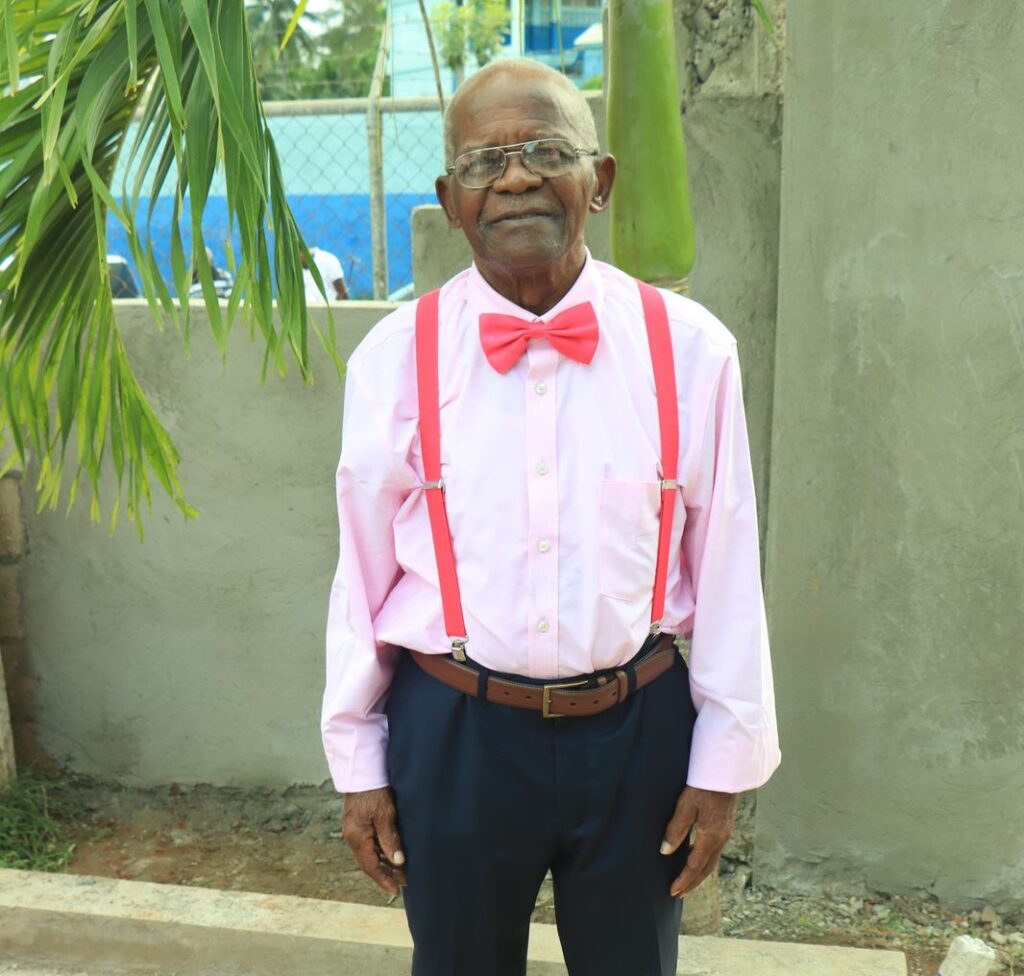
For 92-year-old Donald Taffe, the memory of Jamaica’s independence is still vivid, a moment that stirred pride and anticipation, even from afar.
“I was overseas when Jamaica gained independence and I remember hearing that it was a lot of excitement. I couldn’t wait to come back home and rejoice with my people,” he said with a nostalgic smile.
Now, having lived through decades of national progress, Taffe believes Jamaica is ready to take the next step. To him, republican status means more than symbolism, it represents the freedom to govern without approval from the monarchy.
“I would say thank God I lived to see that we have dominion status, meaning we are totally responsible, and we don’t have to get words from the King to say we can do this and do that. We can make our own decisions,” he said.
As one of St. Catherine’s longest-serving Justices of the Peace, Taffe has witnessed the country’s growth and transformation over the years. Taffe believes it’s only fitting that the nation continues to evolve, and that includes moving beyond the British monarch as Head of State.
“I think we have been due for a long time to have a republican status. One of the reasons is that we should not be paying homage to a Queen or King. We need to have our own Head of State and change our Governor General to a President,” he explained.
Despite his age, Taffe remains eager to cast his vote in the upcoming referendum. He also hopes younger Jamaicans see this not as a political move, but as a national opportunity.
“I think Jamaicans, especially young people, should not look at this selfishly but think of how this will be good for our people and for our nation,” he added.
A Century of Perspective
Also sharing her thoughts is 101-year-old Alice Dunn, who lives in a quiet rural area of St. Catherine. She recalls the uncontainable joy of the people, green bushes waving in the air, and songs of celebration echoing through the streets on that unforgettable day in 1962.
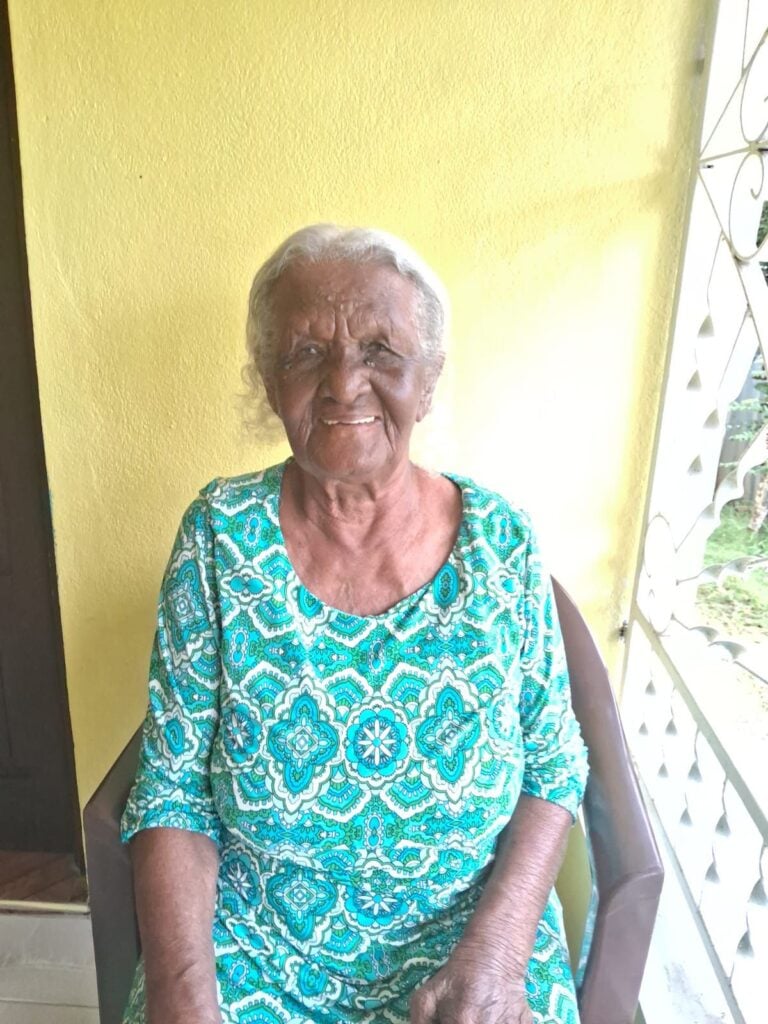
“It was pure joy,” she said. “I remember everyone celebrating and making a lot of noise. At that time, we thought we had made it, and we were fully independent, but I’ve lived long enough to see we still have one more step to take.”
For Dunn, full independence is about national identity and the kind of leadership that reflects the experiences of the Jamaican people.
“It would mean so much to finally have our own head of state,” she explained. “Someone who looks like us, speaks like us, and understands what we’ve been through as a people.”
She hopes that the next generation will see this transition not as a burden but as a shared responsibility to shape the future of the country.
“I want the young people to stand up and support this move. I may not live to see the day, but I know in my heart that breaking free from the rule of others and choosing our own path will be one of the greatest things we ever do as a people,” she urged.
Completing the Journey
As the country continues its journey toward becoming a republic, the Ministry of Legal and Constitutional Affairs has been leading efforts to educate Jamaicans about the transition. The Constitution (Amendment) (Republic) Act, 2024 is currently before the Joint Select Committee of Parliament, where it is being reviewed and discussed before moving to the next phase, parliamentary debate.
Through ongoing community and public engagements, the Ministry continues to help citizens understand the reform process and encourages national participation in shaping Jamaica’s future.