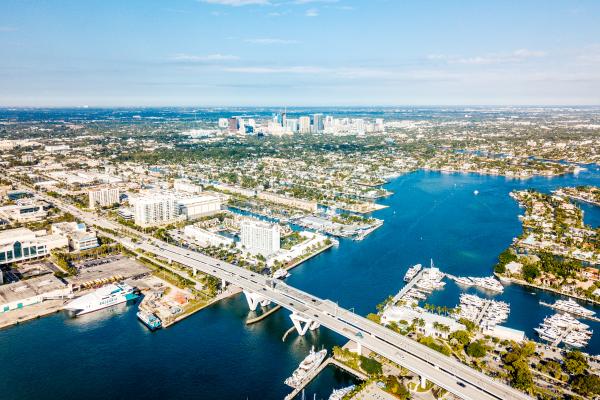
Broward County has unveiled a 50-year Resilience Plan aimed at preparing the region for the long-term impacts of climate change, including sea level rise, stronger storms, extreme heat, and frequent flooding.
With one of the largest Caribbean-American populations in the United States, the county’s new strategy has significant implications for communities that are often among the most vulnerable to climate-related threats.
The Resilience Plan sets a long-term course for adaptation, with benchmarks laid out for 2050 and 2070. It outlines a comprehensive strategy to reduce flood risks, strengthen infrastructure, and improve public health and economic stability. The plan blends natural solutions like green spaces, swales, and tree canopy expansion with engineered upgrades such as seawalls and improved drainage systems. Together, these efforts aim to protect homes, safeguard businesses, and keep neighborhoods livable amid rising climate pressures.

Mayor Beam Furr described the plan as more than just a document, calling it a call to action that guides Broward toward a thriving, climate-resilient future. He emphasized the importance of acting now to ensure that today’s residents and future generations are protected.
The plan was developed in collaboration with local governments, water control districts, private sector partners, and community members. Neighborhoods—many located in flood-prone or lower-lying areas—stand to benefit from the plan’s emphasis on long-term risk reduction and economic resilience. These communities, which include large Haitian, Jamaican, and Trinidadian populations, often face higher exposure to climate risks due to historic inequities in planning and infrastructure investment.
The Resilience Plan was led by Broward’s Chief Resilience Officer, Dr. Jennifer Jurado, and the Resilient Environment Department. The department is central to the county’s broader environmental and housing policies and plays a key role in ensuring the needs of all communities are reflected in future development and climate adaptation efforts.

Broward officials say the plan will help reduce property damage, raise real estate values, support small businesses, and lessen interruptions to daily life—from school closures and transit delays to tourism-related economic slowdowns. Public health is also a priority, with strategies aimed at mitigating the effects of extreme heat in vulnerable neighborhoods.
As the county begins to implement the plan, residents are encouraged to explore the details and assess their local flooding risk using interactive tools available at www.resilientbroward.com. For Caribbean-American families, many of whom have deep roots in Broward and a long history of weathering storms, the plan signals a new era of investment in resilience, equity, and shared security.