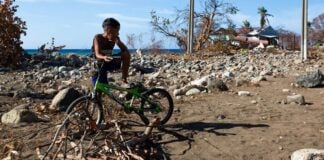
Haiti launched a voluntary repatriation operation for 720 of its nationals after Dominican authorities demolished homes in the Haitian settlement known as Mata Mosquito — or “Pequeño Haiti” — near Higüey, the capital city of the eastern La Altagracia Province.

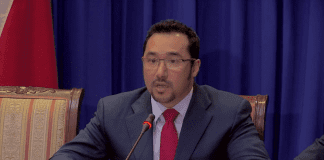
The affected Haitians, many of whom had been hiding in rugged terrain and ravines to avoid immigration raids, boarded buses for their return journey to Haiti. The operation was overseen by the Haitian Consul in Higüey, Wenceslas Lambert, who coordinated the logistics until the nine buses rolled out along Boulevard de l’Est towards the official border crossings at Dajabón, Comendador, and Pedernales.
The repatriation effort was supported by the Zilé Foundation, through former Haitian ambassador Edwin Paraison, and by Dr. Joseph Chérubin and his team from the Social Movement for Sociocultural and Environmental Work (Mostha).

Nearly 300 agents from the Dominican Republic’s Directorate General of Migration (DGM) were deployed to “facilitate” the departure, with a DGM unit leading the convoy.
The operation comes amid rising tensions in the Dominican Republic over the presence of undocumented Haitians. On Sunday, demonstrators gathered near the presidential palace in Santo Domingo, backing President Luis Abinader’s hardline immigration policies. Protesters waved signs reading “Expel them already,” “The Dominican Republic is for Dominicans,” and “We’re fed up.”
Since taking office in 2020, President Abinader has tightened immigration controls, particularly targeting Haitian nationals. Earlier this month, he introduced a controversial new protocol requiring hospitals to request identification documents, proof of residence, and payment from foreigners seeking medical care.
The clampdown has already seen results: last Monday, Dominican authorities reported the arrest of 87 women and 48 children in hospitals and maternity wards across the country — with more than half being pregnant women or new mothers.
As the situation between the two nations remains tense, Haiti’s move to organize voluntary repatriations highlights the deepening humanitarian and political challenges along the Hispaniola border.