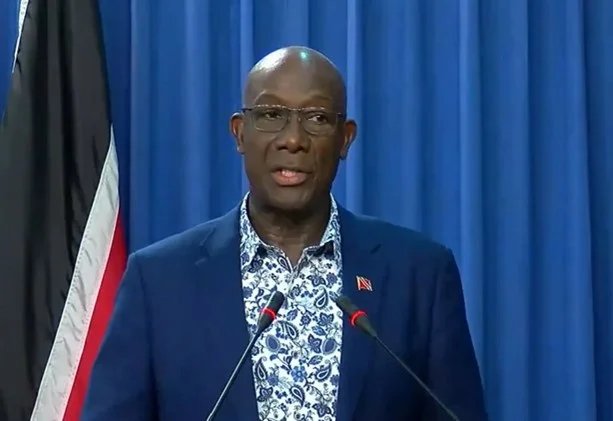
Trinidad and Tobago’s Prime Minister Dr. Keith Rowley, returning from the CARICOM 46th Heads of Government summit, emphasized the untapped potential for agribusiness ventures in Guyana and Suriname during a media briefing at the Piarco International Airport.

Missed Opportunities in Guyana and Suriname
Dr. Rowley highlighted the disappointment expressed at CARICOM regarding the lack of engagement from local private sectors in pursuing agribusiness ventures in Guyana and Suriname.
He noted that despite available land and incentives, including approximately 3,000 acres in Suriname, there has been minimal interest from CARICOM private sector representatives.

Collaboration for food security
Acknowledging the importance of regional cooperation in bolstering food production, Dr. Rowley pointed out Trinidad and Tobago’s collaboration with Guyana.
Notably, Trinidad and Tobago has increased its rice production significantly, from 100 to 1,000 acres, with assistance from Guyana, resulting in a harvest of 340 tonnes for the season.
Additionally, efforts are underway to enhance coconut production through the acquisition of seedlings.
Exploring agricultural opportunities
During his visit to Guyana, Dr. Rowley toured agricultural sites in regions such as Lethem, near the Brazilian border, where cattle, soya, and corn are cultivated.
While Trinidad and Tobago does not import beef from Guyana due to certain policies, Dr. Rowley suggested the need for policy review to maximize potential benefits and address outdated regulations.
Addressing regulatory concerns
Dr. Rowley acknowledged regulatory concerns regarding the importation of beef, including potential risks such as foot and mouth disease.

However, he underscored the need to assess the comparative risks, highlighting the potential benefits of certified beef imports from Guyana over illicit activities such as cattle smuggling from Venezuela.
Dr Rowley said he would instruct the Ministry of Agriculture, Land and Fisheries to address these situations moving forward.
CARICOM has pledged to reduce its food import bill by 25 per cent by 2025.