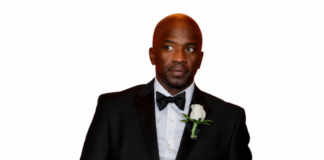
In a surprising turn of events, Harvard University’s first Black president, Claudine Gay, has resigned from her position after facing a right-wing campaign to oust her.
She announced on Tuesday she was resigning from her position and returning to her role as a faculty member.
The Haitian-American said that her ordeal is just one battle in a broader war to erode public trust in American institutions.

Undermining trust in American pillars
Gay, who served for only six months as the historic first Black female president of Harvard, expressed her concerns in The New York Times.
She believes that trusted institutions, including public health agencies and news organizations, will continue to face coordinated efforts aimed at undermining their credibility and leadership.
Acknowledging mistakes and facing a well-laid trap
While acknowledging her own mistakes, Gay also pointed out that her invitation to testify before Congress on antisemitism in elite college campuses felt like a calculated trap.
She contends that the campaign against her was about more than just one university and one leader.
A playbook for future attacks
Gay issued a warning that the tactics used against her would likely be deployed against other institutional leaders.
She emphasized that for those who seek to foster cynicism about American institutions, no single victory or ousted leader would satisfy their determination.

Campaign centered on antisemitism and plagiarism allegations
The campaign against Gay, which gained momentum over the past month, involved prominent Harvard donors and revolved around allegations of antisemitism and plagiarism in her academic work.
Critics focused on her controversial remarks during a congressional hearing on antisemitism and instances of her academic work resembling that of other scholars without proper citations.
Regret and defense of scholarship
Gay expressed regret for not condemning antisemitism more forcefully during her congressional remarks and affirmed her commitment to combating hate.
She also defended the originality and value of her scholarship while acknowledging issues with citations in her published work.
Reports are that several of the scholars whose work Gay was accused of plagiarizing had previously told news outlets they considered the citation issues highlighted by conservative media outlets to be relatively minor.
Diversity, Equity, and Inclusion programs
Reports are that several activists leading the campaign against Gay made it clear that their broader aim was to oppose “diversity, equity, and inclusion” (DEI) programs in all US universities, considering them as a threat.
It is further reported that Billionaire hedge fund manager Bill Ackman, a prominent critic of Gay, labeled DEI efforts as “racist” and expressed concerns about “reverse racism” and “racism against white people.”
Racist backlash and threats
Throughout the controversy, Gay faced a barrage of death threats and racial slurs.
She described receiving numerous derogatory messages and enduring recycled racial stereotypes about Black individuals.
The Harvard Corporation condemned the “racist vitriol” directed at her through emails and phone calls.
Focus on scholarship and representation
Despite the plagiarism allegations, Gay highlighted the substance of her scholarship, emphasizing the significance of minority representation in American politics and its potential to strengthen democracy.