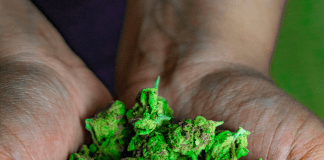
Kratom tea is one of the most popular ways to make kratom powder. It’s warm, comforting, and can be easier on the stomach compared to raw powder. But what really makes kratom tea stand out is how customizable it is.
If you’ve been curious about how to make kratom tea the right way, this guide will show you everything you need to know. We’ll cover why these natural add-ins are helpful, how to make the tea step-by-step, and what to keep in mind for flavor, strength, and consistency.
Why Make Kratom Tea Instead of Taking Powder?
If you’ve ever tried kratom powder on its own, you know it’s not exactly easy on the palate—or the stomach. That’s where learning how to make kratom tea can make a big difference. Turning it into tea can help in a few ways:

- The taste is smoother and easier to flavor
- You can drink it slowly instead of all at once
- Hot water can help the body digest it more gently
- You can strain the powder out for a lighter feel
While the effects may come on a bit more slowly than raw powder, many users find the tea experience more enjoyable and consistent over time.
Why Add Lemon, Ginger, or Honey?
Each of these ingredients serves a purpose, not just in taste, but in how the body interacts with kratom.
Lemon
Lemon juice is often used in kratom tea because of its acidity. The acidic environment helps break down and extract the active plant compounds in kratom, especially during the heating process. This may make the tea more efficient and help it stay fresh longer. Lemon also helps cut through the bitterness and adds a clean, bright flavor.
Ginger
Ginger is a popular kitchen ingredient with a warming, spicy profile. In kratom tea, it helps in a few ways. First, it balances the earthy taste of kratom. Second, it may support digestion and help the tea feel more comfortable in the stomach. This is useful for people who find kratom a bit too heavy on its own.
Honey
Honey is used to sweeten the tea naturally. Unlike sugar, honey adds depth of flavor and can make the tea more pleasant to sip. It can also coat the throat and soften any harsh edges in the brew. For many users, honey turns kratom tea into a drink they actually enjoy—not just tolerate.
Ingredients You’ll Need
Here’s a simple list of what you’ll need to make a basic cup of kratom tea with lemon, ginger, and honey:

- 1 to 2 grams of kratom powder (you can adjust based on preference)
- 1 to 2 cups of filtered water
- Juice of half a lemon (or 1 tablespoon of bottled lemon juice)
- A few thin slices of fresh ginger (or ½ teaspoon of dried ginger powder)
- 1 teaspoon of honey (optional, or more to taste)
- Small pot or saucepan
- Spoon for stirring
- Strainer, cheesecloth, or coffee filter for removing the powder
This method does not require any fancy equipment. Most of these ingredients are probably already in your kitchen.
Step-by-Step Guide to Making Kratom Tea
This is a simple stovetop method that works well for most kratom powder types, whether you use green, red, or white strains.
Step 1: Heat the Water
Pour 1 to 2 cups of water into a small pot or saucepan. Place it on the stove and heat over medium heat until it begins to steam. Avoid boiling the water aggressively. A light simmer is ideal. Boiling kratom too hard or too long can reduce some of its natural plant compounds.
Step 2: Add Lemon and Ginger
Once the water is simmering, add your ginger slices or powder. Then add the lemon juice. Stir gently. This helps prepare the water for steeping and creates a more effective environment for extracting kratom’s active compounds.
Step 3: Add the Kratom Powder
Lower the heat slightly and carefully stir in the kratom powder. Stir slowly and consistently to help the powder dissolve and avoid clumps. Allow it to simmer on low heat for about 10 to 15 minutes. Stir occasionally to keep everything evenly mixed.
Some people prefer to simmer longer for a stronger tea, but 10 to 15 minutes is usually a good balance between strength and taste.
Step 4: Strain the Tea
After simmering, remove the pot from heat and let it cool for a minute. Then pour the tea through a strainer, cheesecloth, or coffee filter into a mug or jar. This step removes the leftover powder and makes the drink smoother and easier on the stomach.
If you don’t mind a slightly thicker tea, you can skip this step, but most people find strained tea more pleasant.
Step 5: Add Honey and Stir
Now add honey to taste. Start with one teaspoon and stir it in thoroughly. You can add more if you prefer a sweeter drink. Once everything is mixed, your kratom tea is ready to enjoy.
Tips for Making the Best Kratom Tea
These extra tips can help you get more from your tea experience:
- Use filtered waterfor a cleaner taste and better clarity
- Simmer at low heat to protect the integrity of the plant compounds
- Stir frequently while simmering to prevent clumps and even out the brew
- Add lemon juice before kratom, not after, to support extraction
- If using powdered ginger, start small—it’s stronger than fresh slices
Can You Make Iced Kratom Tea?
Yes. To make iced kratom tea, follow all the same steps, but let the tea cool completely after straining. Then pour it over ice in a glass and enjoy the cold. This version is refreshing and works especially well with lemon and honey.
You can also make a larger batch ahead of time and store it in the refrigerator for up to 2 days. Just be sure to use a clean, sealed container like a mason jar.
Can You Reuse Kratom Powder?
Some users do a second boil or steep with the same powder to get a lighter tea. While the first brew contains the most active compounds, a second batch can still offer mild effects and is a good way to reduce waste.
If you try this, keep the powder in the fridge between uses and boil it again within 24 hours.
Final Thoughts
Making kratom tea with lemon, ginger, and honey is one of the easiest ways to turn kratom into a more enjoyable, effective part of your daily routine. The lemon helps with extraction, the ginger supports digestion, and the honey softens the taste. Together, these ingredients create a simple, reliable brew that suits both new and experienced users.
As always, start with a small amount and adjust your ingredients over time. Pay attention to how your body feels and make the tea your own. With a few simple tools and a little practice, kratom tea can become a calming and consistent part of your wellness rhythm.