American Airlines raises baggage fees
American Airlines has announced changes to its baggage fees and ticketing policies, aiming to steer customers towards direct ticket purchases and boost revenue streams.
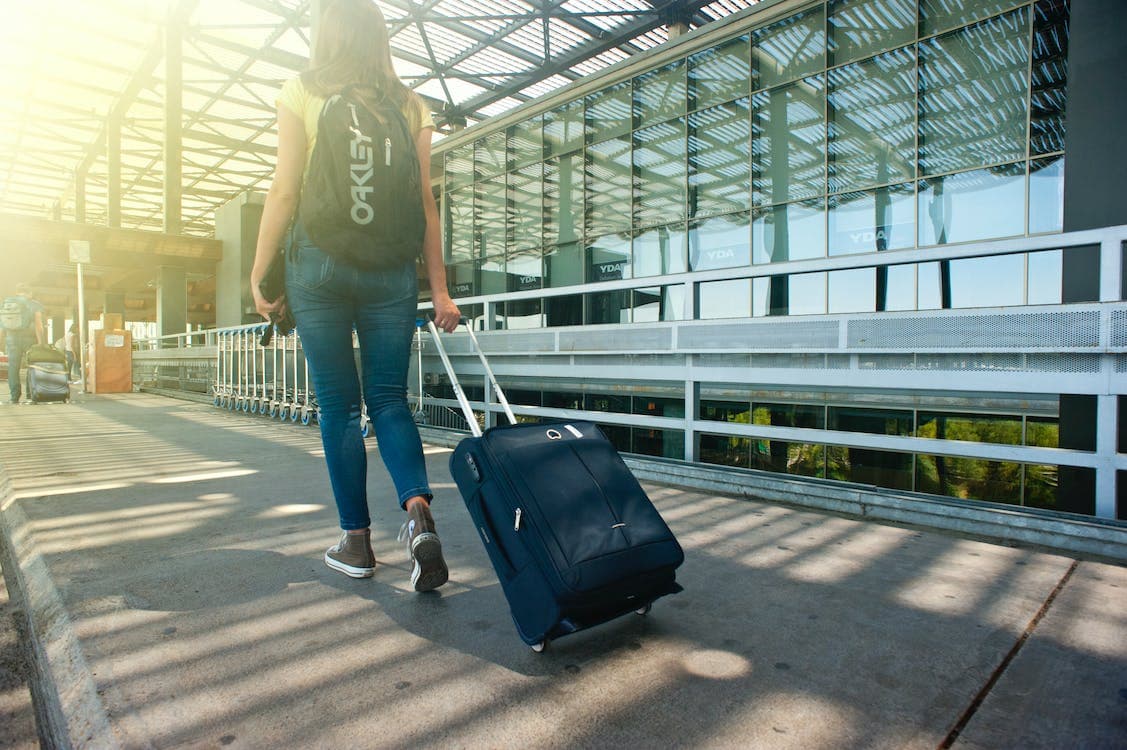
Effective immediately, American Airlines is implementing an increase in baggage fees for domestic flights. The cost of checking a bag online will rise from $30 to $35, while airport purchases will incur a $40 fee.
Furthermore, the fee for a second checked bag will increase from $40 to $45, both online and at the airport.
This adjustment marks the first increase in bag fees by American since 2018.
A revenue stream since 2008
Originating from Fort Worth, Texas, American Airlines introduced bag fees in 2008, initially set at $15, as a response to escalating jet fuel costs.
Over the years, these fees have evolved into a consistent revenue source for major US carriers. In 2022, American Airlines led the industry by generating $1.4 billion in bag fees, according to figures from the US Transportation Department.
International bag fee adjustments
For short international flights, including routes to Canada, Mexico, and the Caribbean, American Airlines is raising bag fees by $5.
Passengers will now pay $35 for the first bag and $45 for the second.
Exceptions and benefits
Exceptions to the increased fees include elite status in American’s loyalty program, purchasing premium-class tickets, or using an American-branded credit card.
Additionally, American Airlines will implement graduated fees for slightly overweight or oversized bags, starting at $30 for deviations within specified limits.
Ticketing policy shift
Starting May 1, American Airlines will require customers to purchase tickets directly from the airline, its partner carriers, or preferred online travel agencies to earn points in its AAdvantage loyalty program.
This change aims to streamline ticket sales and enhance customer experience. Corporate travelers will remain unaffected by this policy shift.
Embracing direct sales
Scott Chandler, vice president of revenue management at American Airlines, emphasized that approximately 60 per cent of the airline’s ticket sales already occur directly through the company.
This move aligns with a broader industry trend of airlines reducing reliance on travel agents and bringing ticket sales in-house.
Chandler compared the shift to the user-friendly approach adopted by e-commerce giant Amazon.com in explaining product features.