Breaking new ground! Jamaica unveils ambitious National Stadium redesign for 2029 completion
Key Points(5)
- A monumental new chapter is about to unfold in Jamaica’s storied sporting legacy.
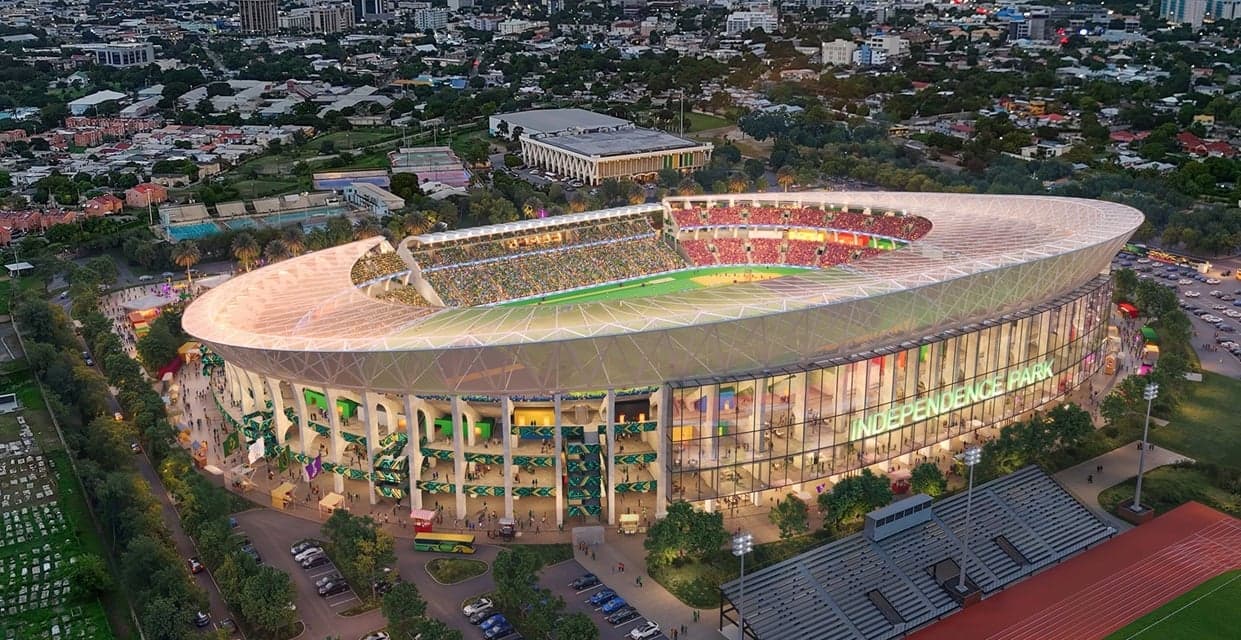
- The iconic National Stadium in Kingston, home to countless moments of national pride and global athletic triumph, is poised for a full-scale transformation.
- Construction on a state-of-the-art redevelopment is scheduled to commence in 2026, with completion anticipated by 2029—ushering in a new era of infrastructure, innovation, and international opportunity.
- Announced during a recent press conference hosted by the Ministry of Culture, Gender, Entertainment and Sport, the redevelopment plan is more than a facelift—it is a vision of Jamaica’s future.
- Spearheaded by UK-based architectural firm Ryder Architecture, in collaboration with global consultancy CAA ICON, the project aims to modernize not just the stadium but the wider Independence Park complex, ensuring Jamaica remains a global sporting powerhouse for generations to come.
A monumental new chapter is about to unfold in Jamaica’s storied sporting legacy. The iconic National Stadium in Kingston, home to countless moments of national pride and global athletic triumph, is poised for a full-scale transformation.
Construction on a state-of-the-art redevelopment is scheduled to commence in 2026, with completion anticipated by 2029—ushering in a new era of infrastructure, innovation, and international opportunity.
Announced during a recent press conference hosted by the Ministry of Culture, Gender, Entertainment and Sport, the redevelopment plan is more than a facelift—it is a vision of Jamaica’s future. Spearheaded by UK-based architectural firm Ryder Architecture, in collaboration with global consultancy CAA ICON, the project aims to modernize not just the stadium but the wider Independence Park complex, ensuring Jamaica remains a global sporting powerhouse for generations to come.
“The renovation work is designed to see us through another 30 years without the need for major upgrades,” declared Minister of Sports, Olivia Grange. “It will put us in a position to bid for international single-sport events.”
A world-class venue, rooted in heritage
The redesigned stadium will feature seating for 37,500 spectators, expandable to 50,000 for concerts, and will be 90 percent covered by roofing to provide shelter and shade—crucial for the comfort of athletes and fans alike.
One of the most innovative aspects of the project is its commitment to preserving heritage while embracing modernity. The culturally significant West Stand, a symbol of the stadium’s architectural identity, will be preserved and seamlessly integrated into the new structure.
“It’s a real privilege,” said Ryder Architecture Director Johnathan Seebacher. “From day one, we’ve been welcomed warmly by all our Jamaican partners. It’s a tremendous honor to work on a project of this magnitude—especially one so deeply rooted in Jamaica’s cultural and sporting heritage.”
Elite features fit for champions
The revitalized stadium is designed to meet the highest international standards for athletics, football, and major entertainment events. Among the standout features are:
Modern VIP experiences: 30 cutting-edge VIP boxes, two premium lounges, corporate suites, and upgraded hospitality spaces.
Athlete-focused amenities: Advanced gyms, warm-up zones, anti-doping facilities, and specialized stands—football-centric on the west, athletics-centered on the east.
Fan-centric design: Improved accessibility, more restrooms and concession areas, fan plazas, and “Fan Boulevard”—a pedestrian-friendly promenade lined with bars, shops, and live entertainment zones.
Greener, smarter, stronger
The Ministry has confirmed that during the phased construction, the stadium will remain operational to accommodate ongoing events. The stadium’s footprint will also expand its civic role with the inclusion of more green spaces, tiered parking for 4,500 vehicles, and enhanced infrastructure for media and medical personnel.
This transformation goes beyond aesthetics. A sports museum to honor Jamaica’s legendary athletic legacy is on the horizon, and upgraded facilities at Stadium East and the throws area are in the planning pipeline.
“We must ensure that our facilities are in the best state for our athletes to train and perform,” Minister Grange emphasized. “We are world leaders in track and field especially, and so must have in place the infrastructure and resources that will ensure us perpetuity.”
Economic vision and global ambition
Backed primarily by the Government of Jamaica, the redevelopment is part of a wider Framework for Cooperation with the United Kingdom. With strong support from the British High Commission in Kingston, a rigorous feasibility study—funded in part by UK partners—has examined market demand, economic impact, and long-term sustainability.
“This stadium must serve not only our athletes but become a hub for economic activity, cultural celebration, and international engagement,” Grange affirmed.