
Why Skill and Strategy Matter in Competitive Ludo Games
Key Points(5)
- Skills and strategic knowledge are important in playing a competitive game of ludo as the success is determined through decision making, spatial management and strategic risks.
- In the current digitized digital board version of the game, quick time periods, point calculation based on move made and balanced deployment of pawns has changed the traditional game to become a tactically charged sport.
- The players that have mastered safe token placement, blocking and precise dice throwing score better compared to those that play with simple movements.
- Delve through this guide to know all the fundamentals of digital लूडो tactics, why planned moves work better than random movements, the right ways to play defense and attack, and also how sites such as make it fun for you to play.
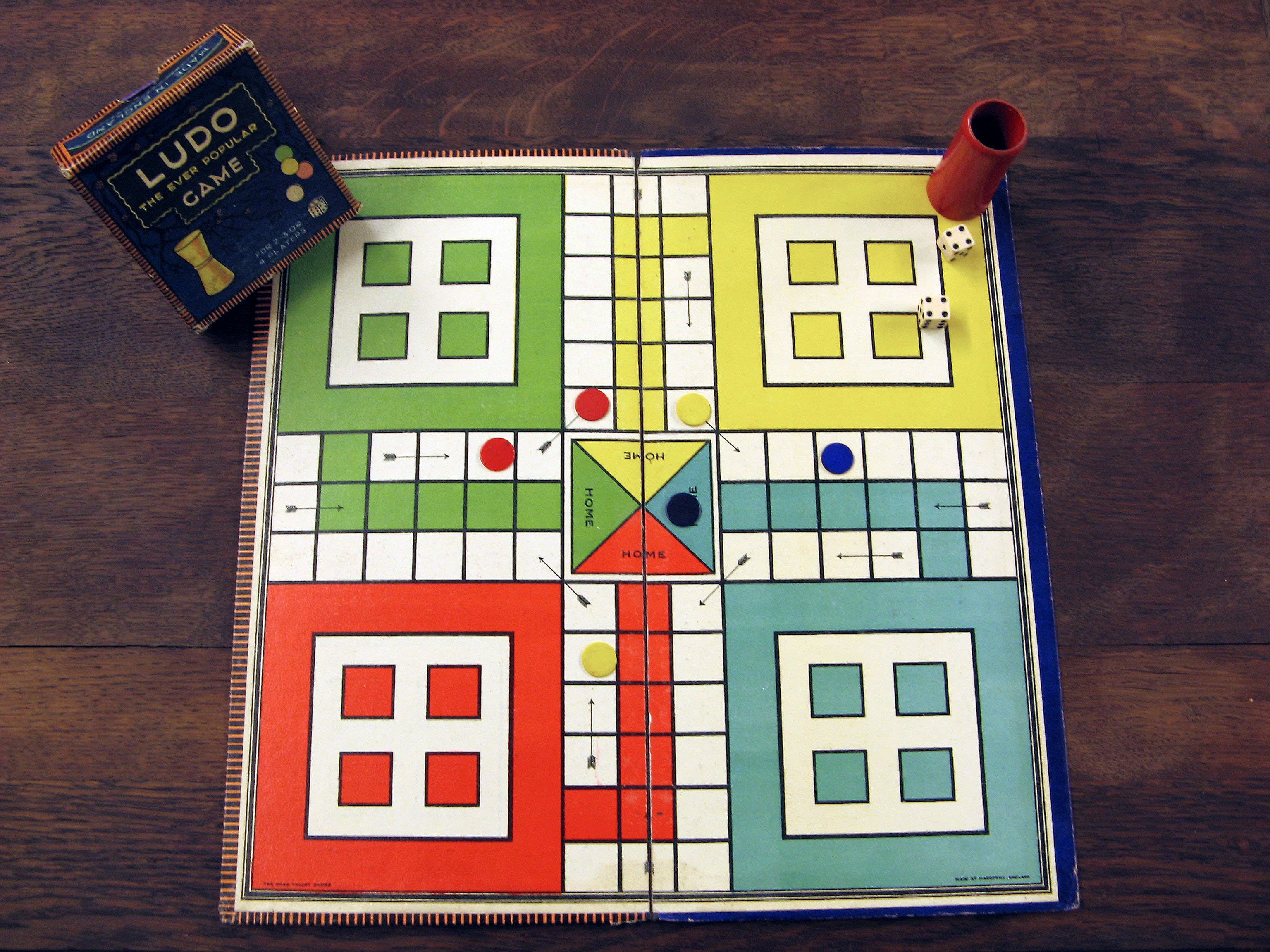
- The Evolution: From Casual Family Play to Competitive Skill Gaming Board ludo games were generally considered entertainment that was played using a real board.
Skills and strategic knowledge are important in playing a competitive game of ludo as the success is determined through decision making, spatial management and strategic risks. In the current digitized digital board version of the game, quick time periods, point calculation based on move made and balanced deployment of pawns has changed the traditional game to become a tactically charged sport. The players that have mastered safe token placement, blocking and precise dice throwing score better compared to those that play with simple movements.
Delve through this guide to know all the fundamentals of digital लूडो tactics, why planned moves work better than random movements, the right ways to play defense and attack, and also how sites such as make it fun for you to play.
The Evolution: From Casual Family Play to Competitive Skill Gaming
Board ludo games were generally considered entertainment that was played using a real board. However, the shift from offline to online multiplayer game platforms has transformed how the games are played. Today, the competitive nature of these games relies on strict time constraints, quick games lasting anywhere between 2 to 10 minutes, and move points.
Key Differences: Traditional vs. Competitive Ludo
1. Main Focus
- Traditional Ludo: Played mainly for casual fun and passing time with family or friends.
- Competitive Ludo: Focuses on decision-making, planning, and skill.
2. Game Length
- Traditional Ludo: Matches take a long time, often lasting 30 to 60 minutes or more.
- Competitive Ludo: Quick and fast-paced, with games finishing in just 2 to 10 minutes.
3. How You Win
- Traditional Ludo: The goal is simply to race all 4 of your tokens home first.
- Competitive Ludo: You earn points for every step you move, so the player with the highest score wins within a fixed number of moves or time limit.
4. Level of Strategy
- Traditional Ludo: Simple strategy, just move your tokens forward and capture an opponent when you land on them.
- Competitive Ludo: Deeper strategy, uses smart moves like blocking opponents, managing time, and planning safe routes.
Every move in a competitive ludo board game provides you with several strategic options. Just one wrong move of a token will expose you to your opponent’s advantage.
Core Pillars of Skill and Strategy in Competitive Play
To excel in online matches, players must treat every turn as an analytical problem. The following pillars define top-tier strategic gameplay:
1. Spatial Control & Board Positioning
Spatial control means occupying key areas of the board to dictate your opponent’s movement options.
- Safe Zones: Positioning tokens on star squares or colored starting tiles protects them from capture.
- Choke Points: Placing tokens directly behind opponent clusters restricts their forward movement.
- Pawn Spacing: Keeping tokens separated by 5 to 6 tiles allows you to cover more distance across the track efficiently.
2. Probability & Risk Calculation
Every dice outcome presents specific mathematical odds. Skilled players compute these odds instantaneously before making a move.
%2520(1).docx%2520-%2520Google%2520Docs%2520-%2520%255Bdocs.google.com%255D.png%3F2026-09-01T13%253A00%253A07.694Z&w=3840&q=100)
3. Defensive Blocking Tactics
Defense is as important as offense. A good defense keeps the opposing player from scoring points or moving their valuable tokens forward.
- Blockades: If you place two of your tokens on one tile, you make an effective blockade that will not allow any opposing player to progress.
- Trailing: Maintaining one token behind an opponent’s valuable token 2 to 4 spaces back continuously keeps them on the defensive.
Tactical Breakdown: Opening, Mid-Game, and End-Game
Opening Phase: Building Board Presence
- Avoid over-committing to a single token: Spread movement across multiple tokens to ensure tactical flexibility.
- Secure initial safe spots: Move tokens quickly to the nearest safe star tile to establish strong points of origin.
Mid-Game Phase: Controlling the Flow
- Prioritize high-value captures: Capturing an opponent’s token resets their progress, deducting points in point-based formats and granting you an extra turn.
- Maintain defensive distance: Keep vulnerable tokens at least 7 steps away from opponent threats whenever feasible.
End-Game Phase: Precision Finishing
- Calculate exact steps to Home: Entering the Home corridor guarantees point bonuses and protects points from being lost to captures.
- Minimize unnecessary movement: If a token is completely safe, leave it in place and use dice rolls to advance other tokens that need positioning.
Common Mistakes Made by Casual Players
Understanding what not to do is as important as knowing the right strategies.
- Pushing one token far ahead while leaving the remaining tokens at the starting area makes the lead token an easy target for captures.
- Ending a turn just one or two tiles short of a safe spot invites unnecessary captures.
- Focusing only on your own path while ignoring the movement of opponent tokens often leads to surprise captures.
Why Zupee for Skill-Based Gaming Experience
Zupee is one of India's most reliable skill-based gaming websites for individuals wishing to test their strategic skills through a safe, level playing ground.
Key Features of Zupee Platform
- Certified Fairness: To ensure that the moves are always fair in terms of probability, Zupee employs a random number generator (RNG) system which has been certified by iTech Labs.
- No Bots: Each match in Zupee involves two genuine humans competing with each other.
- Skill Format Options: Test your skills with various skill formats like Ludo Supreme, Ludo Turbo, and Ludo Supreme League.
- Safety of Players: Adhering to the All India Gaming Federation (AIGF) Code of Conduct, the website ensures the safety of players by imposing real-time limits and offering 24/7 redressal process.
Final Thoughts
Competing in competitive ludo board games is an exercise of patience, constant learning, spatial intelligence, and strategic thinking. By playing every move like a thought-out strategy and not at all randomly, you can enhance your play to levels beyond imagination!
Playing competitive Ludo online, on credible sites such as Zupee, allows you to challenge your tactical skills against real people from all over India through entertaining games of Ludo.
Hone your strategies and think strategically, while enjoying yourself winning Ludo money titles with skills.


