

Why Good Blood Circulation Matters Beyond Heart Health
Key Points(5)
- When people hear the words “good circulation,” they often think immediately about the heart.
- That makes sense: the heart is the pump at the centre of the cardiovascular system.
- But circulation is much more than a measure of heart health.
- Every organ and tissue in the body depends on a steady supply of blood.
- Blood carries oxygen and nutrients to cells, transports hormones and helps remove waste products.
When people hear the words “good circulation,” they often think immediately about the heart. That makes sense: the heart is the pump at the centre of the cardiovascular system. But circulation is much more than a measure of heart health.
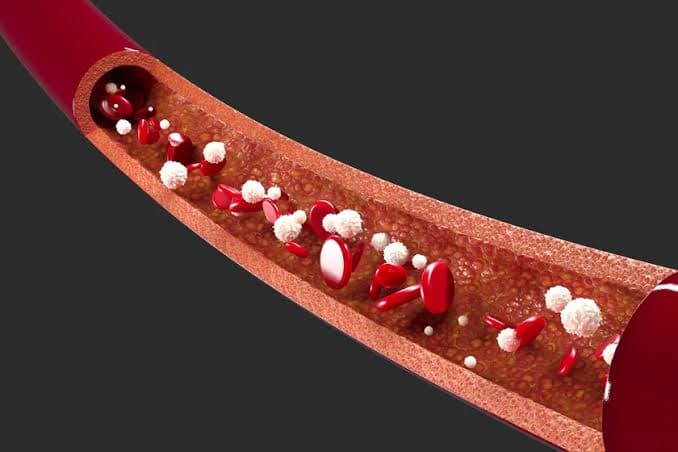
Every organ and tissue in the body depends on a steady supply of blood. Blood carries oxygen and nutrients to cells, transports hormones and helps remove waste products. The brain, kidneys, muscles and reproductive system all rely on this network functioning effectively.
That means looking after circulation is not simply about reducing the risk of heart problems. It can influence energy, physical performance, organ function and other aspects of everyday health.
Circulation is a whole-body system
The circulatory system includes the heart, arteries, veins and tiny blood vessels called capillaries.
Arteries carry blood away from the heart, while veins return it. Capillaries form the small vessels through which oxygen and nutrients can reach tissues.
Because this network extends throughout the body, changes in vascular health can have effects far beyond the chest.
High blood pressure, elevated cholesterol, diabetes, smoking and physical inactivity can all affect blood vessels over time. Some changes may occur gradually and without obvious symptoms, which is one reason routine health checks can be valuable even when someone feels well.
It is also worth remembering that “poor circulation” is not a single diagnosis. Cold hands or feet, for example, do not automatically mean someone has cardiovascular disease. Persistent symptoms should be assessed in context rather than self-diagnosed.
The brain depends on consistent blood flow
The brain has high energy demands and requires a continuous supply of oxygen and glucose.
Healthy blood vessels help maintain that supply. When blood flow to part of the brain is suddenly interrupted, as happens during an ischemic stroke, brain tissue can quickly become damaged.
Long-term vascular health is therefore closely connected with brain health as well as heart health.
Many of the same habits that support cardiovascular health also help protect blood vessels supplying the brain. These include staying physically active, avoiding smoking, managing blood pressure and following a balanced diet.
This connection is a useful reminder that cardiovascular prevention should not be viewed as something that protects only one organ.
Muscles rely on circulation during activity
Blood flow changes when we move.
During exercise, working muscles need more oxygen and nutrients. The cardiovascular system responds by increasing blood flow to those tissues.
This is one reason regular physical activity can support circulatory fitness. Activities such as walking, swimming, cycling and dancing require the heart and blood vessels to respond repeatedly to changing demands.
For people who spend much of the day sitting, simply incorporating more movement can also be useful. Taking walking breaks, using stairs where practical or standing periodically can break up long periods of inactivity.
Exercise does not need to be extreme to contribute to health. Consistency generally matters more than occasional bursts of very demanding activity.
The kidneys also depend on healthy blood vessels
The kidneys filter the blood, helping the body regulate fluid balance and remove waste.
To do that effectively, they require an extensive blood supply.
High blood pressure and diabetes are particularly important because both can damage small blood vessels over time, including those within the kidneys. Kidney health and cardiovascular health are therefore closely connected.
This relationship works in both directions. Problems affecting the kidneys can also make blood-pressure control more difficult.
Routine monitoring of blood pressure and blood glucose can therefore provide information that is relevant to several organ systems at once.
Sexual function has a vascular component
Blood flow also plays an important part in erectile function.
During sexual stimulation, chemical signals cause smooth muscle within erectile tissue to relax, allowing more blood to enter. Conditions that affect blood vessels or the cardiovascular system can therefore sometimes contribute to erectile difficulties.
Occasional difficulty getting or maintaining an erection can happen for many reasons, including stress, tiredness or alcohol. Persistent erectile dysfunction, however, may be worth discussing with a healthcare professional because several physical and psychological factors can be involved.
Where treatment is appropriate, medicines known as PDE5 inhibitors may be considered. Sildenafil, the active ingredient in Viagra, works by supporting the natural blood-flow response that occurs during sexual stimulation.
Another medicine in the same class is tadalafil. The appropriate treatment depends on individual circumstances, other medicines being taken and clinical suitability.
These medicines do not create sexual arousal and are not suitable for everyone. In particular, sildenafil and tadalafil must not be used alongside nitrate medicines because the combination can cause a potentially dangerous fall in blood pressure.
Blood pressure deserves attention even when you feel well
One of the challenges with vascular health is that problems are not always obvious.
High blood pressure frequently develops without noticeable symptoms. Someone may therefore feel healthy while their blood vessels are being exposed to increased pressure over a long period.
Having blood pressure checked periodically is a straightforward way to identify changes that might otherwise go unnoticed.
The same principle applies to cholesterol and blood glucose. These measurements provide information that cannot reliably be judged from appearance, fitness level or how energetic somebody feels.
Knowing your numbers can create an opportunity to make changes earlier rather than waiting until symptoms appear.
Everyday habits can support vascular health
Protecting circulation does not require a complicated routine.
Regular movement is one of the most useful foundations. Aerobic activities make the heart and circulatory system work more efficiently, while resistance exercise can support muscle strength and metabolic health.
Diet also matters. A varied eating pattern that includes vegetables, fruits, beans, whole grains, fish and other nutrient-rich foods can support cardiovascular health. Limiting excessive salt, highly processed foods and large amounts of saturated fat can also be useful, particularly for people managing blood pressure or cholesterol.
Traditional Caribbean diets already contain many ingredients that can fit comfortably within this approach, including beans and peas, fresh fish, callaloo, okra, pumpkin, sweet potato and a wide range of fruits.
Smoking is another important factor because tobacco damages blood vessels and increases cardiovascular risk. People who smoke can benefit from support to stop, regardless of how long they have smoked.
Sleep, weight management and stress also form part of the wider picture.
Do not ignore persistent changes
Because circulation affects so many parts of the body, symptoms can vary considerably.
Persistent leg pain during walking, wounds that heal unusually slowly, unexplained swelling, recurring dizziness, chest discomfort or a sustained change in sexual function should not simply be attributed to ageing or being “out of shape.”
These symptoms can have many possible explanations, and some will have nothing to do with the circulatory system. The important point is that persistent or unexplained changes deserve appropriate medical assessment.
Likewise, sudden chest pain, severe shortness of breath, signs of a stroke or other rapidly developing serious symptoms require urgent medical attention.
Think beyond the heart
Circulation connects almost every part of the body.
The same network of blood vessels that supplies the heart also helps nourish the brain, support working muscles, maintain kidney function and enable normal sexual responses.
That is why vascular health deserves attention even in people who have never experienced a heart problem.
Regular activity, balanced nutrition, avoiding smoking and keeping an eye on blood pressure, cholesterol and blood glucose can all contribute to a healthier circulatory system.
The broader message is simple: looking after your blood vessels is not only an investment in heart health. It is an investment in how the entire body functions.