

When Should A Large-Scale Farm Invest In A DJI Agras T100 Sprayer Drone Instead Of Ground Sprayers?
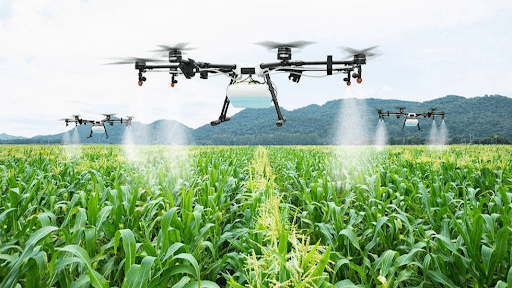
Key Points(5)
- Deciding between traditional ground equipment and aerial spraying technology requires a hard look at efficiency and field accessibility.
- Large-scale operations often struggle with soil compaction and limited windows for crop protection, making the move to drones a logical step for modern production.
- The T100 provides genuine operational leverage rather than serving as a temporary trend.
- Moving beyond the hype reveals that the transition rests on specific variables like moisture, topography, and the need for precision.
- Yandex How Does Soil Impact Equipment?
Deciding between traditional ground equipment and aerial spraying technology requires a hard look at efficiency and field accessibility. Large-scale operations often struggle with soil compaction and limited windows for crop protection, making the move to drones a logical step for modern production.
The T100 provides genuine operational leverage rather than serving as a temporary trend. Moving beyond the hype reveals that the transition rests on specific variables like moisture, topography, and the need for precision.
How Does Soil Impact Equipment?
Heavy ground sprayers leave deep ruts in soft fields, damaging root systems and limiting future yields. Compaction reduces pore space, which restricts water infiltration and nutrient uptake.
By shifting to aerial applications, you remove the physical weight of tractors and tanks from the field entirely. Soil compaction significantly increases bulk density and reduces porosity, which negatively affects the physical, chemical, and biological functions of soil by restricting root growth and water movement. This makes aerial spraying a superior choice for preserving long-term field productivity.
When Field Obstacles Make Ground Rigs Obsolete?
Steep slopes or fields with irrigation infrastructure often defeat self-propelled sprayers. Operating heavy machinery in these areas increases the risk of tipping or getting stuck, which halts production entirely. A drone handles irregular terrain without breaking a sweat.
Integrating the DJI Agras T100 Sprayer Drone through drone providers like Talos Drones creates a seamless bridge between cutting-edge precision technology and the practical, high-stakes demands of modern agriculture. This partnership transforms the T100 from a standalone piece of equipment into a cornerstone of a streamlined, highly efficient workflow. This adaptability ensures constant progress even in the most challenging parts of the acreage.
What Efficiency Metrics Should You Use for Investment Analysis?
The math involves looking at uptime rather than just speed. While ground rigs might cover more acres per hour in perfect conditions, they lose massive amounts of time turning, refilling, and waiting for dry ground.
Drones operate independently of soil moisture, allowing for application the moment the weather clears. This reliability ensures that pests are treated within the essential timeframe, preventing costly yield losses that occur while waiting for ground machinery to access saturated fields.
How Does Aerial Precision Amend Chemical Management Strategy?
Aerial systems utilize atomization nozzles that create uniform droplet sizes, reducing drift. This control is difficult to achieve with boom sprayers, which struggle with height adjustments across uneven terrain.
Droplet Deposition Mechanics
Optimizing spray patterns ensures that the product reaches the target area rather than the soil surface. Drones use downward rotor wash to push the mist into the canopy, increasing the efficacy of contact herbicides and systemic pesticides far better than surface-level broadcast methods.
Mitigating Drift in Sensitive Areas
Controlling spray drift protects neighboring properties and water sources from contamination. Using GPS-guided flight paths limits the application to the exact boundary of the field, reducing the amount of wasted product and environmental exposure significantly.
Optimizing Variable Rate Application
Drones allow for high-resolution mapping that supports precise variable-rate spraying. The system delivers chemicals only where required based on sensor data, lowering costs and minimizing the chemical load applied to the overall farm ecosystem.
Why The Drones Replace Tractors Myth Is Misleading?
A common misconception suggests that adopting drone technology means selling off the entire fleet. In reality, large operations often use both, keeping drones for post-emergence work while using ground rigs for heavy, pre-plant applications. This integrated fleet strategy allows farms to leverage the specific mechanical strengths of both systems for maximum coverage.
How Regulatory and Data Standards Influence Your Future
The use of unmanned aerial systems is governed by strict flight standards to ensure safety. The Federal Aviation Administration requires compliance with Part 107 rules regarding altitude and registration for commercial operations. Adopting this technology forces a higher standard of record-keeping, which simplifies audit processes.
Commonly Asked Questions
Do drones work in windy conditions?
Drones have limitations compared to ground sprayers. While they handle moderate gusts, high wind speeds increase drift risks, often requiring you to pause operations until the air stabilizes.
Can drones replace ground rigs for all chemicals?
Not entirely. Ground rigs are better for high-volume soil applications. Drones are most effective for targeted liquid applications of pesticides, fungicides, and foliar fertilizers where precision is the goal.
What is the main maintenance cost for a drone?
Maintenance centers on battery cycles and propeller wear. Drones have fewer moving parts than heavy machinery, resulting in lower long-term repair costs for most farm businesses.

