When Jamaica's dry weather thinking meets reality
Key Points(5)
- There is a peculiar way of thinking that seems to define Jamaica.
- It affects the very humble and the very well-to-do alike.
- It is what I call "Dry Weather thoughts and intentions." It is the belief that because the sun is shining today, it will continue to shine tomorrow.
- It is planning for the best while quietly ignoring the inevitability of the worst.
- Ironically, our own ancestors warned us against this very mindset.
There is a peculiar way of thinking that seems to define Jamaica. It affects the very humble and the very well-to-do alike. It is what I call "Dry Weather thoughts and intentions."
It is the belief that because the sun is shining today, it will continue to shine tomorrow. It is planning for the best while quietly ignoring the inevitability of the worst.
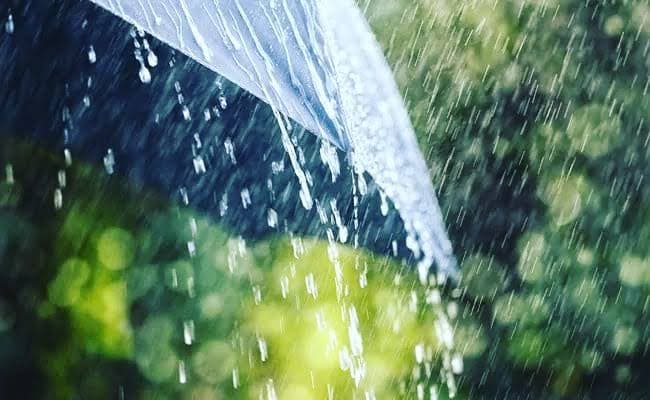
Ironically, our own ancestors warned us against this very mindset. The old Jamaican proverb, "Make hay while the sun shines," was never just about hard work. It was about preparation. It acknowledged that rain would come eventually and that wise people prepare for difficult seasons while conditions are favourable.
Somehow, we seem to have forgotten the second half of that lesson.
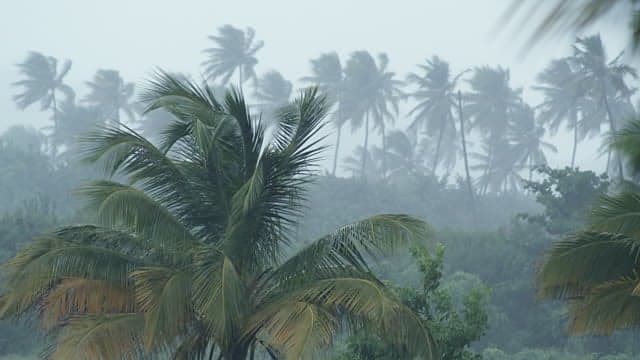
Last week's tropical wave should have been a welcome relief after weeks of blistering temperatures that had much of the island praying for rain. Instead, what should have been a moment of celebration quickly descended into another reminder of just how vulnerable we remain.
The showers delayed what was shaping up to be a drought, but they also exposed cracks in systems that are supposed to withstand far worse. Roads disappeared beneath floodwaters. Commuters faced lengthy delays. Water supplies were disrupted. Then came the headline that stunned the nation: an islandwide blackout.
Nearly 700,000 Jamaica Public Service customers lost electricity from Friday night into Saturday morning.
Not because of a major disaster.
Not because of a Category 5 Hurricane.
Not even because of a tropical storm.
A tropical wave with heavy rainfall was enough to bring the country's electricity grid to its knees.
For many Jamaicans, the explanation that "bad weather" caused the failure sounded painfully familiar. It has become the default response after every major disruption, yet each occurrence leaves the same unanswered question: if this is what happens during a relatively modest weather event, what happens when the next devastating hurricane arrives?
The irony is that just days before, the National Water Commission had been speaking confidently about hurricane preparedness. Officials highlighted investments in backup generators and improved resilience following lessons learnt from Hurricane Melissa.
The assurances sounded encouraging.
Reality told a different story.
Within hours of the blackout, some 65,000 NWC customers remained without water. Even as officials spoke of restoring primary production facilities and deploying backup systems, thousands of Jamaicans were once again left waiting for the most basic necessity.
The disconnect between planning and performance could not have been more obvious.
Then there is our infrastructure.
Roads that should have been designed with resilience in mind quickly became rivers. Among them was the relatively new and controversial Paul Bogle Highway leading into St Thomas, a project that many hoped would represent modern engineering fit for Jamaica's future. Instead, motorists watched floodwaters overtake sections of a roadway meant to improve connectivity and build confidence for citizens in the East.
These are dry weather intentions.
They are plans built for perfect conditions rather than realistic ones.
But perhaps the greatest evidence of dry weather thinking lies not in our institutions but in ourselves.
The psychological scars of last year's devastating Category 5 Hurricane Melissa remain fresh. Climate change is rewriting the rules. Weather patterns are becoming more unpredictable, more intense and more unforgiving. The storms of tomorrow will not ask whether our utility companies are ready, whether our roads can cope or whether government agencies have enough generators. They will simply arrive.
And so must our preparation.
Resilience cannot be something activated when a warning bulletin is issued, if one ever comes. It must be built every single day through infrastructure that anticipates failure rather than reacts to it, through institutions that perform under pressure instead of explaining why they could not, and through citizens who understand that preparedness is not paranoia but prudence.
The lesson has always been there.
Make hay while the sun shines.
Not because the sunshine is guaranteed, but because the rain most certainly is.