

What to Expect on an Antarctica Expedition Cruise
Key Points(5)
- The Drake Passage greets most ships with a choice between two nicknames: the Drake Shake or the Drake Lake.
- Which one you get depends entirely on weather patterns that no forecast can predict more than a few days out, and it sets the tone for a trip unlike anywhere else you can sail.
- Knowing what actually happens day to day, from boarding to landing to the first iceberg sighting, makes the whole experience far less abstract and a lot more exciting.
- The Journey South Starts With a Crossing Most voyages depart from Ushuaia, Argentina, the southernmost city in the world, and the first leg takes you across the Drake Passage, roughly 600 miles of open ocean between South America and the Antarctic Peninsula.
- This crossing typically takes 36 to 48 hours each way, and conditions can range from glassy calm to 20-foot swells.
The Drake Passage greets most ships with a choice between two nicknames: the Drake Shake or the Drake Lake. Which one you get depends entirely on weather patterns that no forecast can predict more than a few days out, and it sets the tone for a trip unlike anywhere else you can sail. Knowing what actually happens day to day, from boarding to landing to the first iceberg sighting, makes the whole experience far less abstract and a lot more exciting.
The Journey South Starts With a Crossing
Most voyages depart from Ushuaia, Argentina, the southernmost city in the world, and the first leg takes you across the Drake Passage, roughly 600 miles of open ocean between South America and the Antarctic Peninsula. This crossing typically takes 36 to 48 hours each way, and conditions can range from glassy calm to 20-foot swells. Seasickness medication is standard gear for a reason, and most ships stock it along with ginger candies and wristbands at the front desk.
During the crossing, expedition staff fill the time with lectures on glaciology, penguin biology, and polar history. These aren't filler activities. They're genuinely useful preparation, since you'll be expected to identify species and understand basic safety protocols before the first landing. By the time land appears on the horizon, you'll already know the difference between a Gentoo and an Adelie penguin.
Daily Life Aboard the Ship
Once in Antarctic waters, the rhythm of the trip changes completely. Mornings often start early, sometimes before 6 a.m., because landing conditions and wildlife activity are best earlier in the day. Announcements over the ship's intercom alert passengers to whale sightings, approaching icebergs, or changes to the landing schedule, and it's common to abandon breakfast mid-bite to run for a camera.
Meals are usually served in a single dining room with assigned or open seating, and the food tends to be better than expected for a vessel this far from civilization. Evenings bring recap sessions where naturalists review the day's sightings and preview tomorrow's plans. Cabin sizes vary widely by ship and price point, from simple bunk-style rooms to suites with private balconies, but nobody spends much time indoors anyway.
Landings and Zodiac Excursions
Shore excursions happen via Zodiac, the inflatable boats that ferry small groups from ship to shore. Landings are typically limited to 100 passengers at a time under guidelines set by the International Association of Antarctica Tour Operators, which means larger ships rotate groups in shifts. Each landing lasts one to three hours and involves walking on uneven, sometimes icy terrain, so sturdy waterproof boots are non-negotiable.
Expect close encounters with wildlife that seems almost indifferent to human presence. Penguins will waddle within a few feet of visitors, and crabeater seals often nap undisturbed on ice floes just steps away. Guides enforce a minimum distance of 15 feet from animals, though the animals themselves don't always respect that boundary.
Weather That Changes by the Hour
Antarctic weather shifts fast, and itineraries are built around flexibility rather than fixed schedules. A planned landing at Paradise Harbor might get scrapped in favor of a calmer bay if winds pick up, and expedition leaders make these calls based on real-time conditions rather than a printed brochure. This is standard practice, not a sign of poor planning.
Temperatures during the austral summer, from November through March, generally range from 20 to 35 degrees Fahrenheit along the Peninsula. Layering matters more than any single heavy coat, since conditions can shift from bright sun to driving sleet within an hour. Waterproof outer layers, provided by many operators as part of the package, handle the spray from Zodiac rides and the occasional wet landing.
Choosing the Right Kind of Voyage
An Antarctica expedition cruise differs significantly from a standard cruise ship itinerary, since the focus sits on small-group landings, scientific engagement, and direct wildlife encounters rather than onboard entertainment. Ships carrying fewer than 200 passengers tend to offer more frequent and flexible landings, while larger vessels may rely more heavily on scenic cruising past ice formations without disembarking as often.
Price points vary enormously, from around $7,000 for a basic shared cabin to upwards of $25,000 for a suite on a luxury vessel. The difference often comes down to cabin comfort and ship amenities rather than the quality of the wildlife experience itself, since weather and location affect every passenger equally regardless of ticket price.
What Sticks With You Afterward
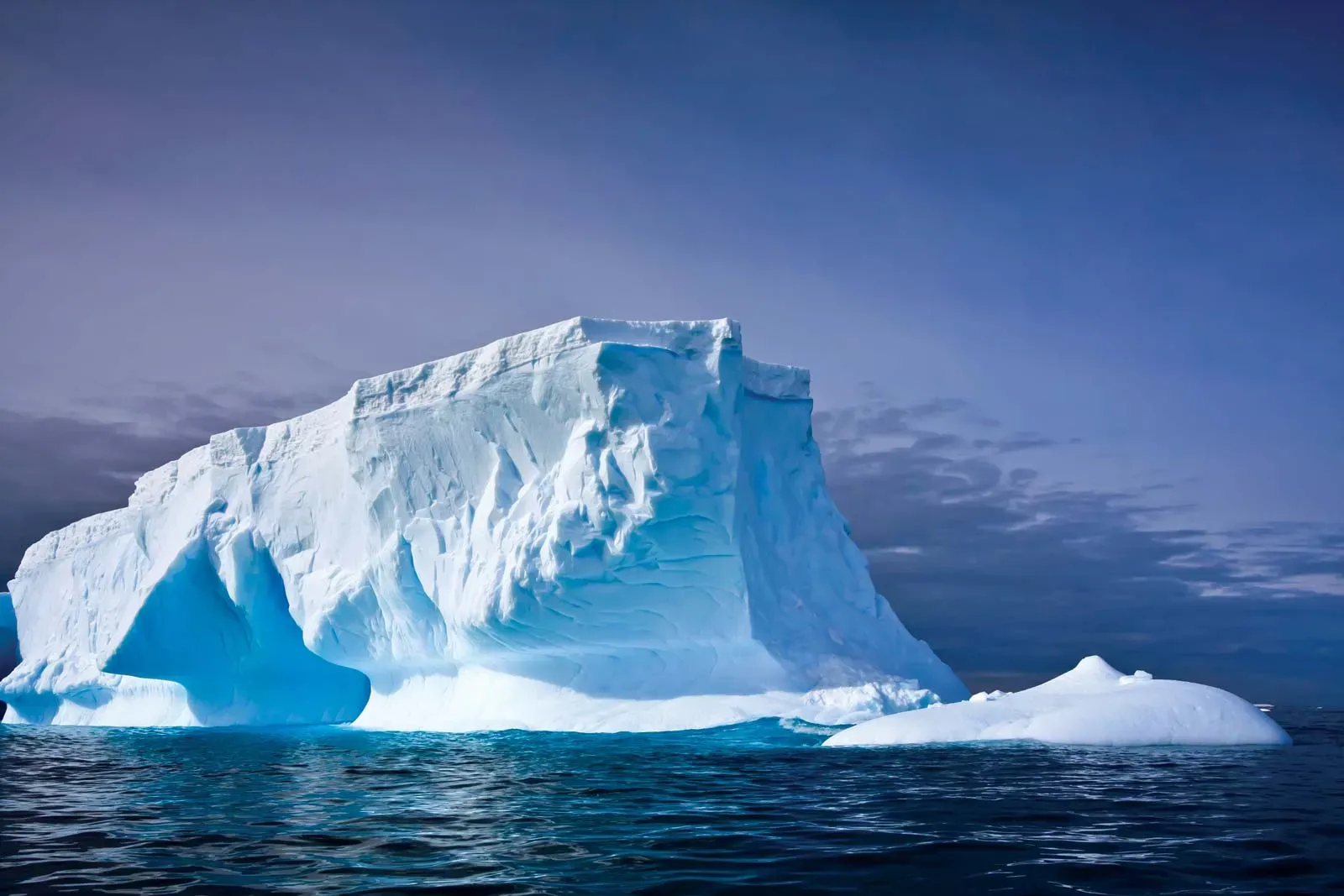
Photographs rarely do justice to the scale of the ice or the silence that settles over a bay when the engines cut off. Many travelers mention the quiet more than the wildlife, the strange sensation of standing somewhere with almost no ambient sound at all beyond wind and distant calving glaciers.
Before booking, check whether the operator is a member of IAATO, confirm the ship's passenger capacity, and ask directly about the ratio of staff to guests, since that number affects how much one-on-one guidance you'll get on landings. These details matter more than marketing photos when it comes to shaping the actual week spent on the ice.