

What to Expect at Your Very First Varicose Vein Consultation
Key Points(5)
- g elevation, or observation when symptoms remain limited.
- When a procedure is appropriate, the clinician explains how it works, what recovery involves, and the associated risks.
- Common office-based treatments include methods that close or remove affected veins.
- The right choice depends on the vein’s location, size, blood flow, and the patient’s health history.
- Patients should ask how long treatment takes, whether someone must drive them home, and when they can resume normal activities.
A first varicose vein consultation gives patients a clear explanation of their symptoms, vein health, and possible treatment paths. The visit usually includes a health history, a physical exam, and a discussion of daily discomfort or cosmetic concerns. Patients should expect questions about swelling, aching, skin changes, previous blood clots, and family history. Preparing a few questions beforehand helps make the appointment more productive. The consultation usually begins with a review of symptoms and medical history.
For people seeking trusted care for varicose and spider veins in East El Paso, the first visit should provide a clear assessment, not a rushed recommendation. Patients can describe where symptoms occur, when they began, and which activities make them worse. This information helps the clinician connect visible veins with circulation concerns and decide whether further testing is needed.
Before the Appointment
Patients should write down their main symptoms before arriving. Useful details include leg heaviness, throbbing, itching, nighttime cramps, swelling, or changes in skin color. The timing matters because symptoms that worsen after standing differ from discomfort that appears after exercise or injury.
A medication list also helps. The list should include prescription drugs, over-the-counter products, vitamins, and blood thinners. Patients should mention previous vein procedures, pregnancies, blood clots, bleeding problems, and close relatives with venous disease.
Loose clothing makes the examination easier. The clinician might need to inspect areas of the leg that remain covered under tight pants or compression garments. Patients should also bring insurance information and, when available, records from previous vein evaluations.
What Happens During the Visit
The clinician begins by asking why the patient scheduled the appointment. Some patients seek relief from aching or swelling, while others notice bulging veins, spider veins, or skin changes. The discussion also covers how symptoms affect walking, work, sleep, or long periods of standing.
Next, the clinician examines both legs while the patient stands and sits. Standing helps reveal veins that become more visible when gravity increases pressure in the leg veins. The examination can include checking swelling, tenderness, skin texture, ulcers, and temperature differences.
The clinician also checks circulation and looks for signs that require prompt attention. Sudden swelling, severe pain, warmth, or a new area of discoloration deserves careful evaluation because these symptoms can have causes beyond routine varicose veins.
Why A Duplex Ultrasound Matters
A duplex ultrasound often forms part of a complete vein evaluation. This painless test uses sound waves to show blood flow through the veins. It can identify reflux, which occurs when valves allow blood to move backward and collect in the leg.
The scan also helps distinguish superficial vein problems from deeper vein issues. Results guide treatment decisions and show whether a procedure addresses the source of the problem rather than only the visible vein.
Some offices perform the ultrasound during the first visit, while others schedule it separately. Patients should ask whether special preparation is required and how they will receive the results.
Discussing Treatment Options
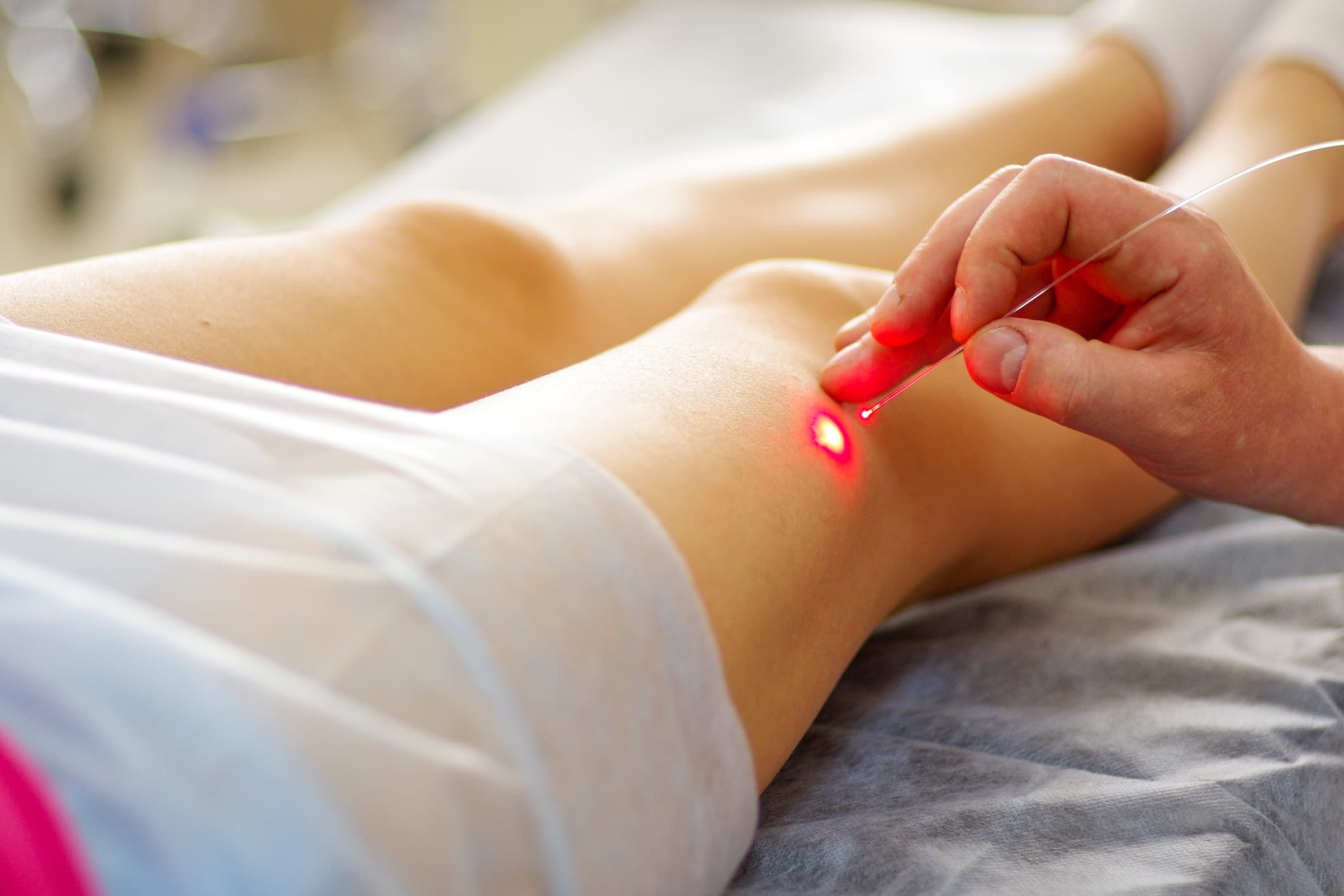
Treatment depends on the examination, ultrasound findings, symptoms, and personal goals. A clinician might recommend compression, movement changes, leg elevation, or observation when symptoms remain limited.
When a procedure is appropriate, the clinician explains how it works, what recovery involves, and the associated risks. Common office-based treatments include methods that close or remove affected veins. The right choice depends on the vein’s location, size, blood flow, and the patient’s health history.
Patients should ask how long treatment takes, whether someone must drive them home, and when they can resume normal activities. Clear answers help patients plan work, exercise, childcare, and follow-up visits.
Questions Worth Asking
A first consultation works best when patients ask direct questions. Useful examples include:
- What is causing the symptoms?
- Is a duplex ultrasound necessary?
- Which treatment fits the examination findings?
- How many visits will treatment require?
- What restrictions apply after treatment?
- Which symptoms require an urgent call?
- How will treated veins and remaining veins be monitored?
Patients should also ask about expected discomfort, compression garments, follow-up timing, and how test results will be reviewed. Written instructions make it easier to remember details after the appointment.
Conclusion
A first varicose vein consultation should leave patients with a clearer diagnosis, a plan for any needed testing, and practical next steps. Symptoms, examination findings, and ultrasound results all shape the discussion, so accurate details matter. Patients can prepare by recording symptoms, bringing medication information, and listing questions before arrival. After the visit, they should review the recommended plan and contact the vein specialist if symptoms change before follow-up.


