Weightlifting raises the bar as Jamaica targets Olympic and commercial growth
Key Points(5)
- Jamaican weightlifting is no longer content simply to compete.
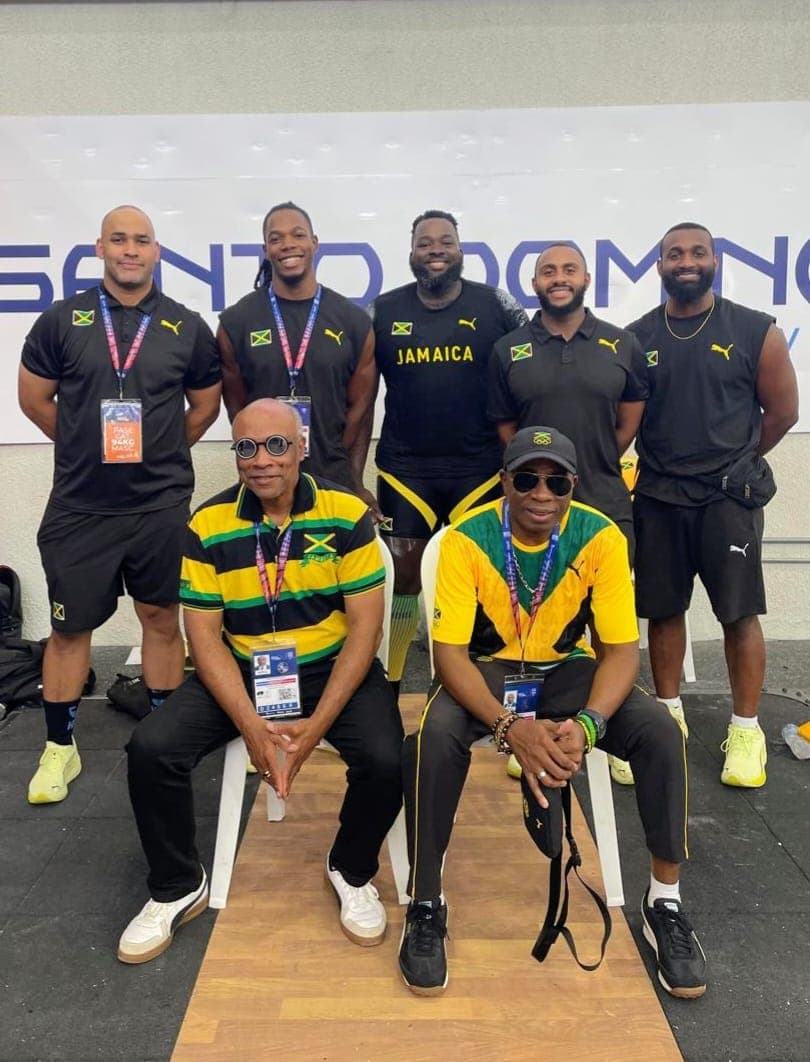
- The National Weightlifting Association of Jamaica (NWAJ) is positioning the sport for a broader future, one that combines Olympic ambition, youth development, increased visibility and commercial growth.
- That approach aligns closely with the Jamaica Olympic Association’s (JOA) wider vision of creating deeper opportunities for national sports to develop sustainable revenue streams while successfully transitioning to higher levels of competition.
- For NWAJ President Omarie Mears, the opportunity is too significant to ignore.
- “We are on the move and working with us, sponsors can buy into a sport which has a rich heritage and an established brand.
Jamaican weightlifting is no longer content simply to compete.
The National Weightlifting Association of Jamaica (NWAJ) is positioning the sport for a broader future, one that combines Olympic ambition, youth development, increased visibility and commercial growth.
That approach aligns closely with the Jamaica Olympic Association’s (JOA) wider vision of creating deeper opportunities for national sports to develop sustainable revenue streams while successfully transitioning to higher levels of competition.
For NWAJ President Omarie Mears, the opportunity is too significant to ignore.
“We are on the move and working with us, sponsors can buy into a sport which has a rich heritage and an established brand. With global commercial eyes looming on and our busy competition schedule which allows for regular exposure, weightlifting in Jamaica has huge potential with massive successes.”
Building a sport that can attract investment
The JOA continues to back Olympic ambitions based on merit while encouraging national associations to find ways to monetize the value within their respective sports.
Weightlifting believes it can deliver on both fronts.
The NWAJ has begun an aggressive campaign aimed at the Los Angeles 2028 Olympic Games, with the association seeking to expand its competitive reach while creating opportunities for the sport away from the platform of elite competition.
JOA President Christopher Samuda sees that effort as part of a much larger transformation.
“NWAJ has embarked upon an aggressive campaign for the LA 2028 Olympic Games. They are not only lifting weights they are lifting barriers to the sport for the benefit of the now and next generation of youth whose aspirations are heavyweight and whose dreams are bench pressing boundaries.”
Samuda also emphasized the JOA's commitment to the association's development.
“The JOA’s support for them is ironclad and the NWAJ has a real opportunity of not only raising the bar but commercialising the sport as part of a sustainable revenue model.”
That combination, performance and sustainability, is at the heart of Jamaica's evolving sports strategy.
Taking weightlifting into schools and universities
Mears believes one of the sport's greatest opportunities lies in expanding its reach before athletes reach the elite level.
He sees schools and universities as crucial entry points for rebuilding the sport's foundation and exposing young athletes to Olympic weightlifting much earlier.
“Olympic Weightlifting is a sport which compliments pretty much every sport practised by many and there are exciting prospects if it is added to the sports curriculum and systems of schools and universities.”
The potential, according to Mears, extends well beyond producing weightlifters.
Because strength development can complement athletes across numerous disciplines, greater access to weightlifting could strengthen Jamaica's wider sporting ecosystem while simultaneously creating a larger pool of potential Olympic competitors.
For the NWAJ, that makes expansion at the secondary and tertiary levels a strategic priority.
The Olympic dream demands more than talent
The pathway to the Olympic Games, however, is unforgiving.
Expanding participation may create opportunities, but reaching the highest level requires athletes capable of surviving the physical and mental demands of elite competition.
Samuda summed up that challenge in characteristically forceful terms:
“Talent is one thing in sport; but you need guts, poundage and stamina to be in prime time.”
That philosophy reflects the task facing Jamaica's weightlifting movement.
The objective is not simply to increase the number of athletes lifting weights. It is to develop competitors with the strength, resilience and determination necessary to contend internationally.
Raising the bar for the next generation
The NWAJ's vision therefore reaches beyond a single Olympic cycle.
Its push toward Los Angeles 2028 is being accompanied by efforts to broaden participation, strengthen the sport's presence in the education system, attract sponsors and establish a sustainable commercial model.
Mears sees a sport with a heritage capable of attracting investment and a competition calendar capable of providing the exposure sponsors increasingly demand.
Samuda sees an association capable of breaking down traditional barriers and creating new pathways for young Jamaicans.
The ambition is clear: make weightlifting bigger, more visible and more sustainable.
And as Jamaica's weightlifting movement prepares for the next Olympic cycle, the message from its leaders is unmistakable.
They are not merely trying to lift heavier weights.
They are trying to lift the entire sport to another level.