

Upgrades That Can Improve Your Home's Functionality and Comfort
Key Points(5)
- A functional home should make everyday routines feel simpler, not more complicated.
- From better storage and improved lighting to smarter layouts and practical safety features, thoughtful upgrades can transform how a space works without requiring a complete renovation.
- By focusing on the areas that cause daily frustrations, homeowners can create rooms that are easier to use, maintain, and enjoy while adding lasting value.
- Upgrade Your Storage Solutions Storage plays a major role in how efficiently a home functions.
- When belongings do not have designated spaces, clutter can quickly spread across countertops, floors, shelves, and furniture.
A functional home should make everyday routines feel simpler, not more complicated. From better storage and improved lighting to smarter layouts and practical safety features, thoughtful upgrades can transform how a space works without requiring a complete renovation. By focusing on the areas that cause daily frustrations, homeowners can create rooms that are easier to use, maintain, and enjoy while adding lasting value.
Upgrade Your Storage Solutions
Storage plays a major role in how efficiently a home functions. When belongings do not have designated spaces, clutter can quickly spread across countertops, floors, shelves, and furniture. Improving storage gives frequently used items a logical place while helping rooms remain organized with less daily effort.
Start by identifying where clutter tends to collect. Entryways may become crowded with shoes and bags, while kitchens can struggle with cookware, appliances, and food supplies. Bedrooms may need better solutions for clothing and accessories, while garages often require dedicated areas for tools, seasonal equipment, sports gear, and household supplies.
For example, adding adjustable shelving can make it easier to accommodate items of different sizes. Drawer organizers can keep small household essentials accessible, while wall-mounted storage can take advantage of unused vertical space. In a garage, durable garage cabinets in Salt Lake City can provide enclosed storage for tools and supplies while keeping the floor and work areas clearer.
The most effective storage upgrades are based on how you actually use each room. Instead of simply adding more containers, consider placing storage where items are most frequently used. This approach can shorten daily routines and make putting things away much easier.
Improve Your Lighting
Lighting is an important part of a home's functionality because it affects visibility, comfort, and the way people use individual spaces. A room with insufficient or poorly positioned lighting can make basic activities such as cooking, reading, cleaning, or working unnecessarily difficult.
Add Task Lighting Where You Need It
Task lighting can provide focused illumination for specific activities. In a kitchen, lights positioned beneath upper cabinets can make countertops easier to see while preparing meals. A desk lamp can improve visibility in a workspace, while additional lighting near a mirror can make grooming tasks more convenient.
Consider the activities performed in each room before deciding where to add fixtures. The objective is not simply to make a room brighter but to put sufficient light exactly where it is needed.
Make Lighting Easier to Control
Convenient controls can make lighting more functional as well. Dimmers allow brightness to be adjusted according to the time of day or activity. Motion-activated fixtures can be useful in closets, hallways, utility areas, and other spaces where manually operating a switch is inconvenient.
If you are updating electrical fixtures, make sure installations comply with local electrical requirements. Professional assistance may be appropriate for projects involving new wiring or modifications to existing electrical systems.
Make the Kitchen More Efficient
The kitchen is often one of the most heavily used areas in a home, so even small improvements can have a noticeable effect on daily routines. A functional kitchen should allow people to prepare meals, clean up, and access commonly used items without unnecessary movement.
Begin by evaluating your kitchen's workflow. Consider how often you move between the refrigerator, preparation surfaces, cooking appliances, and sink. If frequently used items are stored far from where they are needed, reorganizing cabinets and drawers may immediately improve efficiency.
Pull-out shelves can make items at the back of cabinets easier to reach. Drawer dividers can prevent utensils from becoming mixed together, while vertical racks can provide better access to baking trays, cutting boards, and cookware. A dedicated area for small appliances can also help keep countertops clear when those appliances are not being used.
Another useful improvement is to make cleaning easier. A well-organized waste and recycling area, easily accessible cleaning supplies, and durable surfaces can reduce the time required for routine maintenance. When a kitchen is designed around actual habits rather than appearance alone, everyday tasks become more streamlined.
Create a More Functional Home Office
As more people spend time working, studying, managing household responsibilities, or pursuing hobbies at home, a dedicated workspace can provide valuable organization. Even a small area can become significantly more functional with the right improvements.
Start with the basics: a comfortable work surface, suitable seating, sufficient lighting, and convenient access to power. Keep frequently used supplies within easy reach and use drawers, shelves, or organizers to prevent paperwork and equipment from taking over the workspace.
Cable management can also make a significant difference. Loose cords can create visual clutter and become tripping hazards. Routing cables along the back or underside of a desk can create a cleaner workspace while keeping connections easier to manage.
Design the Space Around Your Routine
A productive workspace should reflect how you actually work. Someone who primarily uses a computer may need a different setup from someone who regularly handles documents, crafts, or other physical materials.
Think about what you reach for throughout the day and keep those items nearby. Less frequently used supplies can be stored farther away. This simple arrangement can reduce interruptions and keep the workspace focused.
If the office serves multiple purposes, consider flexible furniture and storage. A foldable desk, modular shelving, or multipurpose cabinet can allow the same area to function as a workspace, study area, or hobby station without permanently taking over the room.
Improve Bathroom Functionality
Bathrooms are another area where relatively small improvements can make daily routines easier. Better organization, lighting, ventilation, and accessibility can improve both convenience and comfort.
Storage is a good starting point. Wall-mounted shelves, medicine cabinets, drawer organizers, and baskets can help keep toiletries accessible without covering the countertop. Frequently used items should be stored within easy reach, while occasional-use products can be kept in less accessible areas.
Lighting deserves attention as well. A single overhead fixture may create shadows around the mirror, making grooming tasks more difficult. Additional illumination around the vanity can provide more balanced visibility.
Ventilation is equally important. Proper airflow helps manage moisture and can reduce the conditions that contribute to lingering odors and surface damage. If an existing ventilation system does not adequately remove moisture, evaluating the system may be a worthwhile improvement.
Consider Accessibility
Functionality should also account for changing needs over time. Features such as strategically positioned grab bars, non-slip surfaces, accessible storage, and adequate clearance can make a bathroom easier and safer to use.
These changes can be particularly helpful for households with older adults, people with mobility limitations, or anyone recovering from an injury. Even when accessibility is not an immediate concern, planning for it can make a home more adaptable in the future.
Upgrade Entryways and High-Traffic Areas
Entryways establish the transition between the outside world and the home, making them important functional spaces. Unfortunately, they can quickly become cluttered with shoes, bags, coats, umbrellas, and other everyday items.
A practical entryway should give each frequently used item a convenient place. Hooks can hold coats and bags, while shoe storage can keep footwear from spreading across the floor. A small bench can provide a comfortable place to sit while putting on or removing shoes.
If floor space is limited, use vertical storage. Wall-mounted hooks and narrow shelving can increase organization without making a small entryway feel crowded. A tray or small organizer near the entrance can also provide a designated place for keys and other items that are easily misplaced.
Make High-Traffic Areas Safer
Safety upgrades can improve functionality while reducing everyday risks. Make sure walkways remain clear and that rugs are secured to prevent slipping. Adequate lighting around stairs and entrances can improve visibility, especially at night.
Durable, easy-to-clean flooring can also be valuable in high-traffic areas. These surfaces are better equipped to handle dirt, moisture, and frequent use, reducing the maintenance required to keep the space looking presentable.
Improve Energy Efficiency and Comfort
Some of the most valuable home upgrades improve comfort while reducing unnecessary energy use. These projects can range from relatively simple adjustments to more substantial improvements, depending on the home's condition and the homeowner's priorities.
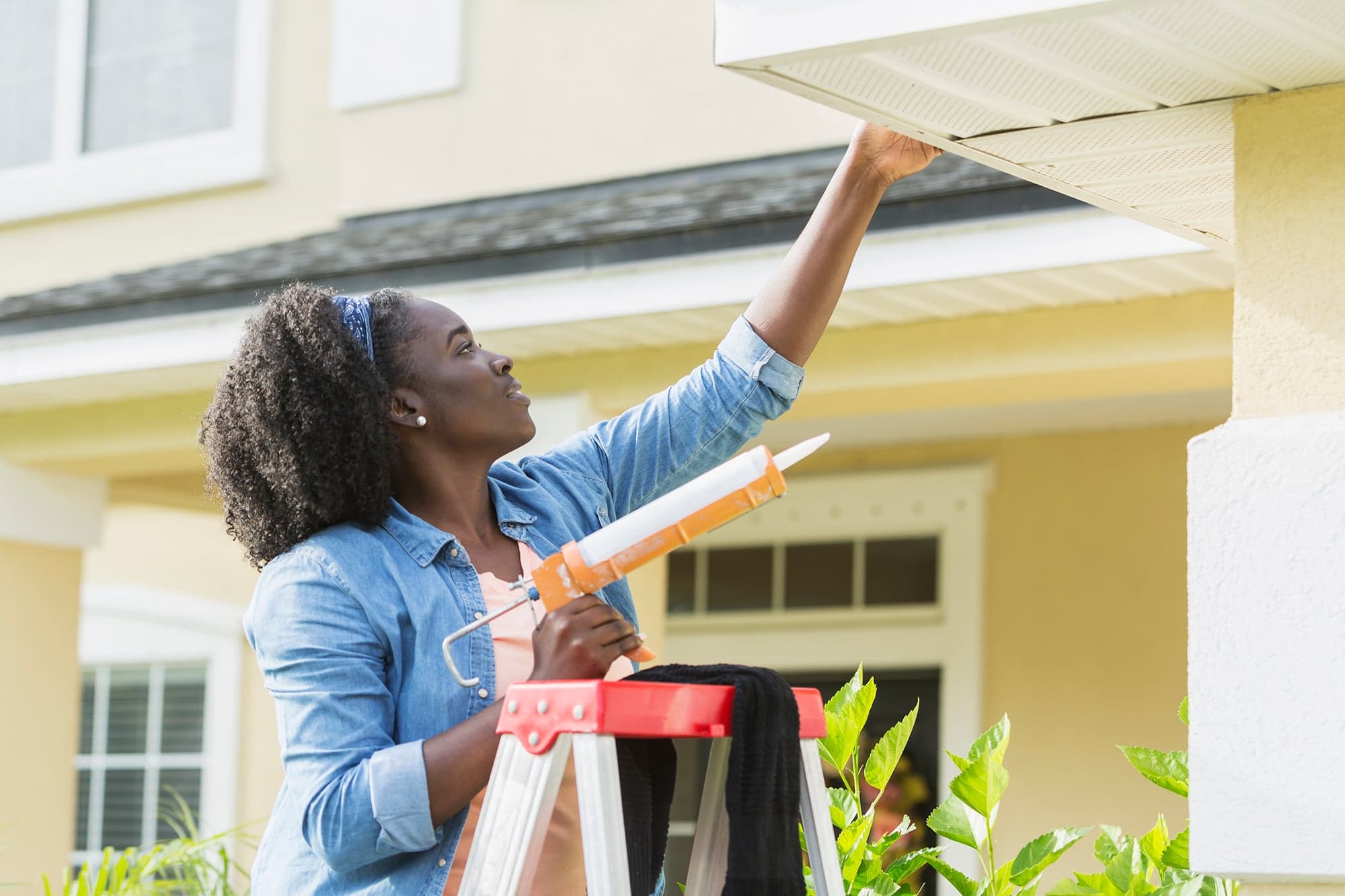
Start by looking for areas where conditioned air may be escaping. Weatherstripping around doors and windows can help reduce drafts, while sealing appropriate gaps can improve overall comfort. Curtains, shades, and other window treatments can also help manage sunlight and indoor temperatures.
Insulation may be worth evaluating if certain rooms consistently feel much warmer or colder than others. Improving insulation in appropriate areas can help maintain more consistent indoor temperatures and reduce the workload on heating and cooling equipment.
Smart design choices can also improve comfort without major construction. Ceiling fans, better window coverings, and strategically positioned furniture can influence airflow and how a room feels throughout the day.
Before investing in a major efficiency project, identify the source of the problem. A targeted improvement is often more effective than adding equipment without understanding why a room is uncomfortable.
Prioritize Upgrades Based on Daily Needs
With so many possible improvements, it can be tempting to tackle several projects at once. A more practical approach is to prioritize upgrades based on the problems they solve and the frequency with which those problems occur.
Begin with issues you encounter repeatedly. If clutter constantly collects in one area, improve storage there first. If poor lighting makes an important task difficult, address illumination before focusing on decorative changes. If a room is uncomfortable or difficult to maintain, identify the underlying cause and choose an upgrade that directly addresses it.
Budget should also be considered. Not every functional improvement needs to be expensive. Rearranging storage, adding shelves, improving organization, replacing inefficient fixtures, or changing the layout of a room can sometimes produce noticeable results without a major renovation.
Think about long-term usefulness as well. An upgrade that continues to save time and effort for years may provide greater practical value than a purely cosmetic improvement. The best projects are those that fit naturally into your routines and make your home work better for the people who live there.
Conclusion
Improving a home's functionality is about more than making rooms look updated. The right upgrades can simplify storage, improve lighting, streamline kitchen and work areas, increase bathroom comfort, organize entryways, and create a more comfortable environment. By identifying recurring frustrations and addressing them with practical solutions, homeowners can build a space that supports everyday routines, adapts to changing needs, and remains easier to maintain over time.


