Understanding Lane Splitting Laws From State to State
Key Points(5)
- Understanding lane splitting laws from state to state is important because the legality of the practice varies significantly across the United States.
- While some states allow lane splitting or lane filtering under certain conditions, many others continue to prohibit it.
- For motorcyclists, knowing the law before riding in a different state can help avoid traffic violations and reduce legal complications after an accident.
- Motorcycle riders often face unique challenges in heavy traffic.
- Lane splitting and filtering has long been a topic of debate because supporters argue that it helps reduce congestion and lowers the risk of rear-end collisions.
Understanding lane splitting laws from state to state is important because the legality of the practice varies significantly across the United States. While some states allow lane splitting or lane filtering under certain conditions, many others continue to prohibit it.
For motorcyclists, knowing the law before riding in a different state can help avoid traffic violations and reduce legal complications after an accident.
Motorcycle riders often face unique challenges in heavy traffic. Lane splitting and filtering has long been a topic of debate because supporters argue that it helps reduce congestion and lowers the risk of rear-end collisions. Critics, however, raise concerns about visibility, driver awareness, and the potential for accidents when motorcycles travel between vehicles.
Because traffic laws are determined at the state level, there is no nationwide rule governing lane splitting.
What Is Lane Splitting?
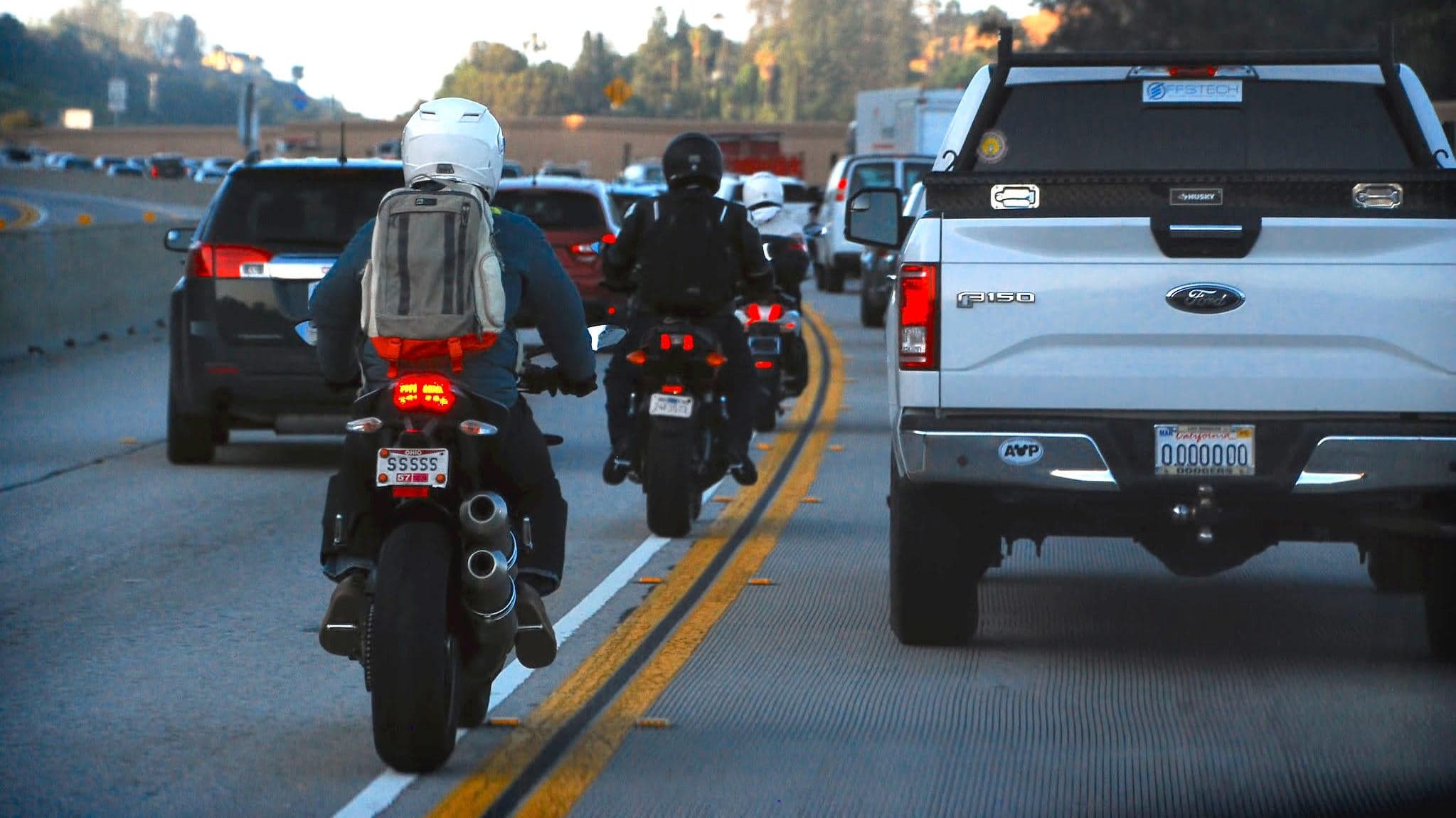
Lane splitting occurs when a motorcycle rides between lanes of vehicles moving in the same direction. This commonly happens during slow-moving or congested traffic.
Many riders view lane splitting as a practical way to navigate traffic jams. However, whether it is legal depends entirely on the state where the rider is operating the motorcycle.
Understanding Lane Filtering
Lane filtering is similar to lane splitting but typically involves a motorcycle moving between stopped vehicles to reach the front of a traffic line.
This distinction is important because some states that prohibit lane splitting may still allow lane filtering under limited circumstances. As a result, riders should understand the specific laws that apply in each jurisdiction rather than assuming the two practices are treated the same way.
States That Allow Lane Splitting
California remains the most recognized state for allowing lane splitting. The state formally recognizes the practice and permits motorcyclists to ride between lanes when it can be done safely.
Rather than imposing a strict speed threshold statewide, California focuses on safe and prudent operation. Riders are still expected to exercise caution and follow all other traffic laws.
Because California's traffic conditions often involve heavy congestion, lane splitting has become a familiar part of the state's motorcycle culture.
States That Allow Lane Filtering
Several states have adopted laws allowing lane filtering rather than full lane splitting.
These states generally permit motorcycles to move between stopped vehicles under specific conditions, such as low traffic speeds and limited speed differences between vehicles.
Examples include:
- Arizona
- Utah
- Montana
- Idaho
- Colorado
Although the details vary, these laws are often designed to improve rider safety by reducing the risk of rear-end collisions while motorcycles are stopped in traffic.
Motorcyclists should review the specific requirements in each state because speed limits, traffic conditions, and roadway restrictions may differ.
States Considering Legal Changes
Over the past several years, multiple states have introduced proposals related to lane splitting or lane filtering. Some lawmakers view these practices as potential solutions to traffic congestion, while others focus on rider safety benefits.
Not every proposal becomes law, but the growing number of legislative discussions shows that attitudes toward motorcycle traffic laws continue to evolve.
Because regulations can change, riders should stay informed about current laws rather than relying on outdated information.
States Where Lane Splitting Remains Prohibited
In many states, lane splitting is still illegal. Motorcyclists who ride between lanes of traffic in these jurisdictions may face traffic citations and could encounter additional challenges if an accident occurs.
States that prohibit lane splitting generally require motorcycles to remain within a designated traffic lane like any other vehicle.
Even if traffic is completely stopped, riders should not assume they can legally move between vehicles unless state law specifically permits it.
Why These Legal Differences Matter
The legal status of lane splitting can affect more than just traffic enforcement. It may also influence how insurance companies, law enforcement officers, and courts evaluate accidents involving motorcycles.
If a collision occurs while a rider is lane splitting in a state where the practice is prohibited, questions about fault and liability may become more complicated.
Understanding local laws can help riders make informed decisions and avoid unnecessary legal risks.
Riding Safely Regardless of the Law
Whether lane splitting is legal or prohibited, safe riding practices remain essential. Motorcyclists should stay alert, maintain reasonable speeds, and anticipate sudden movements from other drivers.
Heavy traffic creates unique hazards, and defensive riding techniques can help reduce the likelihood of accidents regardless of the state's legal framework.
Key Takeaways
- Lane splitting laws vary significantly from state to state.
- California is the primary state that broadly allows lane splitting.
- Several states, including Arizona, Utah, Montana, Idaho, and Colorado, allow some form of lane filtering.
- Many states continue to prohibit lane splitting entirely.
- Motorcycle laws continue to evolve as states consider new legislation.
- The legality of lane splitting can affect accident investigations and liability determinations.
- Riders should always review current state laws before traveling across state lines.