
Understanding Electric Dirt Bikes for Adult Off-Road Riding
Key Points(5)
- So, you’ve probably noticed electric dirt bikes popping up more and more on trails lately.
- It makes total sense.
- They’re giving riders a way to get that off-road motorcycle thrill without dealing with gas, oil changes, or that loud engine roar.
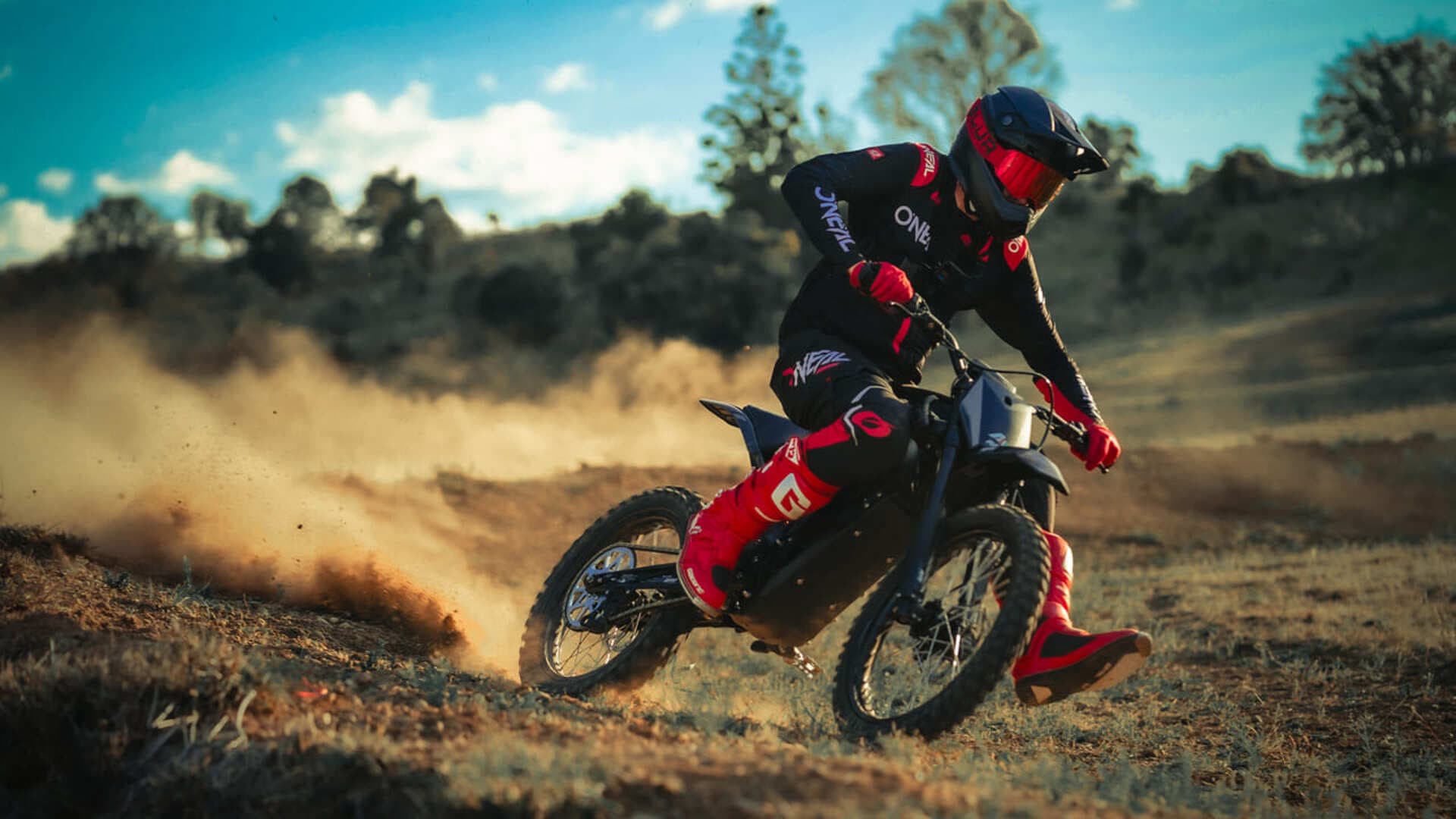
- Thanks to leaps in battery tech, motors, suspension, and brakes, today’s electric dirt bikes can actually handle rugged trails, steep hills, and rough backcountry paths — especially on private land where they’re allowed.
- Now, don’t confuse these with your everyday e-bike meant for cruising to the coffee shop.
So, you’ve probably noticed electric dirt bikes popping up more and more on trails lately. And honestly? It makes total sense. They’re giving riders a way to get that off-road motorcycle thrill without dealing with gas, oil changes, or that loud engine roar. Thanks to leaps in battery tech, motors, suspension, and brakes, today’s electric dirt bikes can actually handle rugged trails, steep hills, and rough backcountry paths — especially on private land where they’re allowed.
Now, don’t confuse these with your everyday e-bike meant for cruising to the coffee shop. Electric dirt bikes are built like proper off-road machines. We’re talking tough frames, knobby tires, serious suspension, powerful motors, and brakes that can actually stop you when things get sketchy. That’s why they’re such a solid pick if you want the dirt bike experience but prefer something quieter and lower-maintenance than a gas guzzler.
What Makes an Electric Dirt Bike Different?
Okay, real talk: the biggest difference between an electric dirt bike and, say, a regular pedal bike (or even a gas dirt bike) boils down to this combo: a punchy electric motor, a lithium battery pack, a motorcycle-style frame, and components built for dirt. Instead of burning gas to make power, the motor sucks energy straight from the battery.
And here’s where it gets fun — electric motors dump out torque instantly when you twist the throttle. No waiting for the engine to spool up like on a gas bike. That means smooth, snappy acceleration and really responsive handling, which is awesome when you’re climbing steep bits or skittering over loose gravel and dirt.
Oh, and the noise thing? Huge. Electric motors are whisper-quiet compared to gas engines. That’s a real perk if you’re riding in places where loud bikes annoy neighbors or wildlife — though, heads up: you still gotta check local rules about where you’re allowed to ride. Quiet doesn’t automatically mean legal everywhere.
Choosing an Electric Dirt Bike for Adults
If you’re shopping for one as an electric dirt bike for adults, don’t get hypnotized by the top speed number alone. Yeah, it’s tempting to fixate on “how fast?” but honestly, a bunch of other stuff matters way more for whether you’ll actually enjoy riding it. Think about your height and weight, the kind of trails you’ll hit, what the battery’s really capable of, how the suspension feels, how the brakes bite, and your own experience level.
Frame size is a sneaky important one. If the bike’s too tall or too short for you, just stopping on uneven ground can feel wobbly and unsafe. Always stack the seat height up against your own inseam and how you like to sit on the bike.
Weight capacity is another practical bit. That max load rating? It includes YOU plus any gear you’re hauling. Stick to the manufacturer’s recommendation — going over it can make the bike handle weirdly and put extra strain on the motor, battery, brakes, and frame.
Motor Power and Torque
Yeah, everyone leads with the wattage when comparing bikes — “This one’s 5000W! That one’s 6500W!” But real talk: watts alone don’t tell you how the bike feels on the trail. Torque, how the motor’s built, battery voltage, how the controller talks to the motor, and the gearing all shape the ride.
For example, a mid-drive motor (where the motor’s near the pedals) gives a different power feel than a hub motor (built into the wheel) because it changes how torque gets to the ground. Torque is your best friend when you’re hauling up steep climbs, bumping over logs and rocks, or trying to accelerate from a crawl — especially if you’re not wanting to rev the motor high all the time.
Happy Run’s got a few different models aimed at different riders. Their lineup spans from around 4,500W peak up to about 6,500W, with variations in motor type, battery size, seat height, suspension tuning, and what kind of riding each one’s really tuned for.
Is the Fastest Electric Dirt Bike Always the Best Choice?
Not even close. Chasing the highest top speed number? Only useful if flat-out speed is your only goal. But riding’s about so much more than how fast you can go in a straight line, even when you’re comparing options for the fastest electric dirt bike.
Take the Happy Run G300 Pro — it’s advertised around 50 mph max. The F18 2.0 sits closer to 46 mph, and the G18 Pro hits about 38 mph. But here’s the thing: if you’re constantly fighting uphill, you might actually prefer a bike with gobs of low-end torque (like the F18 2.0 often gets praised for) over one that’s just fast on flat ground. If you’re planning epic all-day tours, battery range probably matters more than shaving a few seconds off a sprint. And if you’re newer to off-road riding? Having adjustable power modes to ease into the bike’s power can be a game-changer for building confidence.
Also — and this is important — those top-speed numbers are manufacturer estimates under ideal conditions. Your actual speed will dance around based on your weight, how steep the trail is, how charged the battery is, what power mode you’re in, the outside temp, tire pressure, and even what kind of dirt or mud you’re plowing through. The G300 Pro’s own fine print specifically calls out that speed drops as the battery drains or if you’re a heavier rider.
Battery Capacity and Riding Range
The battery is basically your fuel tank — it dictates how long you can ride before needing to plug in. Voltage and amp-hours tell part of the story, but watt-hours (Wh) give a better sense of total energy stored. Happy Run’s current lineup quotes up to 70 miles for the G300 Pro, 60 for the F18 2.0, and 75 for the G18 Pro — under perfect lab conditions.
Reality check: your actual trail range will usually be less. Hammering the throttle non-stop, climbing endless hills, slogging through soft sand or mud, carrying heavy gear, riding fast, or constantly bouncing up and down in elevation? All of that guzzles battery faster than cruising on smooth, flat dirt at a steady pace. Smart riders doing longer trips always keep a healthy battery reserve instead of betting they’ll hit the max range every time.
Charging logistics matter too. If you can’t park the bike right next to an outlet, a removable battery (like the one on the G300 Pro — a 72V 30Ah unit you can take inside to charge) is a lifesaver. Makes topping up way less of a hassle.
Suspension, Tires, and Brakes
Seriously — don’t sleep on these. The motor’s wattage gets all the glory, but what keeps you upright and in control when the trail gets nasty? Suspension, tires, and brakes.
Good suspension soaks up the jarring hits from rocks, roots, ruts, jumps, and washouts so you’re not getting rattled apart. Proper off-road tires with aggressive tread dig into loose dirt and give you cornering grip. And hydraulic disc brakes? Non-negotiable for controlled stopping when you’re heading downhill or need to scrub speed fast for a corner or obstacle.
Happy Run puts full suspension and hydraulic discs across their adult electric dirt bike line — and for good reason. As speeds go up, having brakes you can trust and suspension that stays composed becomes more critical, not less.
Safety and Responsible Riding
Let’s be real: these things can hit motorcycle speeds. Skimping on gear is just asking for trouble. A helmet that fits right is your absolute bare minimum — but honestly, stack on gloves, eye protection, tough boots, protective pants/jersey, and maybe even chest or knee armor if you’re pushing your limits.
New riders: spend time just getting used to how the power kicks in and how the brakes feel at low speeds before you point the bike at technical terrain. And always — always — give the bike a once-over before you ride. Check tire pressure, brake pads, suspension for leaks or damage, battery connections, and make sure nothing’s loose or rattling.
Most importantly: know where you’re legally allowed to ride. Rules change wildly between public roads, private property, public parks, BLM land, and designated OHV areas. Just because it’s quiet doesn’t mean you can ignore signs or trespass. A quick call to the local ranger station or a check on apps like OnX Offroad can save you a headache (or a ticket).
Maintenance Considerations
One nice perk of going electric? No more wrestling with oil changes, spark plugs, air filters, or exhaust systems. The drivetrain is simpler by default.
But — and this is a big but — they’re not maintenance-free. Chains still stretch and need lube, sprockets wear out, brake pads get thin, suspension seals can leak, bearings need checking, and bolts can vibrate loose over time. Give it a regular once-over.
Battery care is huge. Follow the maker’s charging and storage instructions to the letter. Avoid leaving it in blazing sun or freezing cold, don’t let it get banged around, keep it dry beyond its rated water resistance, and never use a sketchy charger. Treat the battery right, and it’ll last years; abuse it, and you’ll be shopping for a replacement sooner than you’d like.
After a muddy or wet ride? Rinse it off gently — avoid spraying water directly at seals, bearings, or electrical connectors. Check the manual for specifics; when in doubt, less pressure and more elbow grease is safer.
Final Thoughts
Electric dirt bikes give you that raw, off-road motorcycle feel — the instant torque, the quiet ride, the simplicity — wrapped in a package that’s genuinely capable on tough terrain. But the “best” bike isn’t about chasing one number on a spec sheet. It’s about how all the pieces — speed potential, torque feel, real-world range, how it fits you, suspension quality, brake power, what you can safely carry, and where you’ll actually ride — come together for your needs.
Happy Run’s range really shows this off. The G300 Pro leans into higher speed for those who want to fly, the F18 2.0 often gets love for its torque and compact feel on tight trails, and the G18 Pro is built for folks who prioritize max range to go farther between charges.
At the end of the day, strapping on proper gear, respecting trail rules, having realistic expectations about how far you’ll really go on a charge, and matching the bike to the terrain you actually ride on? That’s just as important as the motor’s wattage or the top speed claim. Get those basics right, and you’re set for years of smiling behind the bars — without the gas smell or the ear-ringing.