

Two green islands: Doing Dominica and Grenada slowly
Key Points(5)
- There are two Caribbeans.
- One arrives by cruise ship, spends four hours ashore buying rum and duty-free, and leaves before dinner.
- The other you have to walk into, sweat into, and slow right down for.
- Dominica and Grenada, two small volcanic islands at the southern end of the eastern Caribbean chain, belong firmly to the second kind, and they are the ones I keep recommending to anyone who would rather find a hidden waterfall than a swim-up bar.
- I went expecting beach holidays and got something closer to a rainforest boot camp with an unusually good conscience.
There are two Caribbeans. One arrives by cruise ship, spends four hours ashore buying rum and duty-free, and leaves before dinner. The other you have to walk into, sweat into, and slow right down for. Dominica and Grenada, two small volcanic islands at the southern end of the eastern Caribbean chain, belong firmly to the second kind, and they are the ones I keep recommending to anyone who would rather find a hidden waterfall than a swim-up bar.
I went expecting beach holidays and got something closer to a rainforest boot camp with an unusually good conscience. Both islands are green to their bones, both have decided that being wild is worth protecting, and both reward the traveller who exhales on arrival and stops trying to tick things off. Here is how to do the pair of them properly, and why slowly is the only speed that works.
Dominica: the Nature Island earns its name
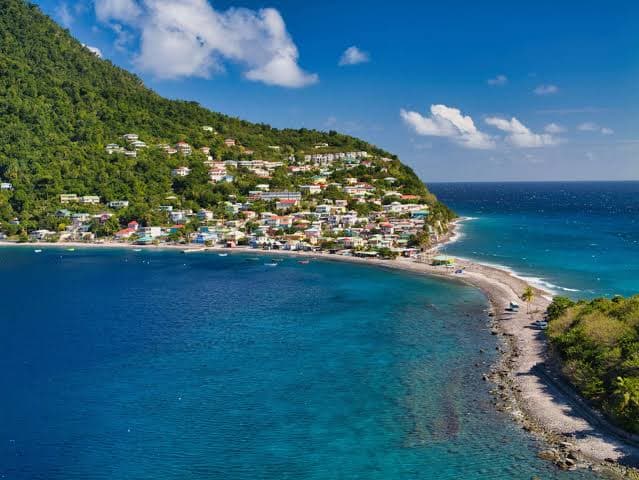
Dominica, tucked between the French islands of Guadeloupe and Martinique, has almost no white-sand resort strip, and that is precisely why the people who love it love it so fiercely. You do not come here to lie down. You come to walk, and the walking is extraordinary.
The island is laced with trails, from gentle riverside strolls to the infamous trek to Boiling Lake, a flooded fumarole that steams like a witch's cauldron at the end of a punishing day's hike through the Valley of Desolation. For the truly committed, the Waitukubuli National Trail runs the length of the island in fourteen segments, the first long-distance footpath in the Caribbean. You do not have to do all of it. Pick a segment, hire a local guide, and spend a day moving through cloud forest and old Kalinago territory. The guides matter here, not just for safety but because the island's story is best heard from someone who lives it.
Dominica has quietly become one of the region's most serious eco-tourism destinations, and the places to stay reflect it: off-grid cottages, treehouse-style lodges running on solar and rainwater, small family guesthouses where breakfast is whatever is ripe. This is an island that decided, after Hurricane Maria flattened it in 2017, to rebuild as the world's first climate-resilient nation, and that ambition shows up in how the best places are run.
Grenada: the Spice Isle at the same gentle pace
Sail south to Grenada and the air actually changes; you can smell the nutmeg before you have your bag off the plane. Grenada is greener and lusher than the dry-season Caribbean of the brochures, its interior a tangle of rainforest, spice plantations and waterfalls that tumble into cool swimming pools well worth the muddy scramble to reach.
The rhythm here is the same unhurried one. Spend a morning at the Grand Etang crater lake, an afternoon learning how mace and nutmeg are dried at a spice estate, an evening on a beach that has somehow escaped the mega-resort treatment.
Grenada has been careful, and a little lucky, about not paving over what makes it special. Interestingly, it funds a good deal of its development and conservation the same way its northern neighbour does, through a similar investment-migration scheme that channels contributions from new citizens into national projects, and you feel the results in the well-kept trails and the quiet insistence on doing tourism at a human scale. Then the article gets back to the important business of finding the next waterfall.
The sea, and the giants in it
Neither island is only about the land. Dominica is one of the very few places on earth with a resident population of sperm whales, and responsible whale-watching trips head into the deep water off the west coast to find them. Hearing a whale's clicks through a hydrophone quietly rearranges your sense of scale. Grenada, for its part, hides an underwater sculpture park off its west coast, an eerie, beautiful reef-in-progress that doubles as a lesson in how tourism can build habitat rather than wreck it.
The rule in both places, above and below the water, is the same: go with operators who keep their distance from the wildlife, brief you properly, and leave things exactly as they found them.
Travelling here without taking from it
What makes these islands work is a mix of luck of terrain and deliberate choice, and visitors are part of keeping it that way. Spend your money with local guides, cooks and small lodges rather than imported chains. Carry your rubbish out of the trails. On Dominica, learn a little about the Kalinago, the Caribbean's largest surviving Indigenous community. On Grenada, buy the spices straight from the estate rather than the airport.
Both islands have chosen a slower, more deliberate kind of development, and the least a traveller can do is match that pace. Come for a week at minimum. A two-day dash will leave you exhausted and having seen almost nothing but the inside of a taxi.
The nature islands keep their promises
Dominica and Grenada are not the Caribbean of the adverts, and thank goodness. They ask more of you than most tropical destinations and give back something rarer in return: a genuine sense of wildness, and the quiet satisfaction of having earned your views on foot. You will come home with mud on your boots, nutmeg in your luggage, and a strong suspicion that this is what more travel should feel like.
Go slowly. It is the only speed these islands respect, and once you match it, you will understand why the people who find them tend to keep them just a little bit secret.
RESOURCES AND FURTHER READING
- Waitukubuli National Trail - route segments and local guide directory (Dominica)
- Grand Etang National Park - trails and crater-lake information (Grenada)
- Responsible whale-watching in Dominica - choosing an operator
- How Dominica funds its climate resilience: the citizenship-by-investment programme that funds much of it
- Discover Dominica Authority and Pure Grenada - official visitor information