
Tibet Horizon Announces Updated 2026/2027 Tibet Tour Planning Protocols
Key Points(5)
- Specialist regional tour operator Tibet Horizon has officially released its upgraded operational and logistical guidelines for international travelers planning a Tibet tour https://www.tibettourism.com/tibet-tours.html across the 2026 and 2027 travel seasons.
- As global demand for experiential and remote-destination travel continues to rise, the Tibetan Plateau remains one of the world's most physically demanding and administratively regulated regions.
- Independent international travel within the TAR remains restricted under regional tourism laws.
- Consequently, all foreign travelers planning a Tibet trip must execute their itineraries through an authorized local travel provider responsible for securing necessary state entry permits, arranging certified regional transportation, and providing continuous accompaniment by licensed local guides.
- With the release of these updated planning guidelines, Tibet Horizon aims to streamline the pre-departure phase for prospective visitors while reinforcing health, safety, and cultural conservation standards across all overland routes.
Specialist regional tour operator Tibet Horizon has officially released its upgraded operational and logistical guidelines for international travelers planning a Tibet tour https://www.tibettourism.com/tibet-tours.html across the 2026 and 2027 travel seasons. The updated resource framework, accessible via the agency's official platform, https://www.tibettourism.com/, is designed to assist global tourists, travel agencies, and independent organizers in navigating the evolving administrative protocols, visa frameworks, and transportation standards required for high-altitude travel within the Tibet Autonomous Region (TAR).
As global demand for experiential and remote-destination travel continues to rise, the Tibetan Plateau remains one of the world's most physically demanding and administratively regulated regions. Independent international travel within the TAR remains restricted under regional tourism laws. Consequently, all foreign travelers planning a Tibet trip must execute their itineraries through an authorized local travel provider responsible for securing necessary state entry permits, arranging certified regional transportation, and providing continuous accompaniment by licensed local guides.
With the release of these updated planning guidelines, Tibet Horizon aims to streamline the pre-departure phase for prospective visitors while reinforcing health, safety, and cultural conservation standards across all overland routes.
Streamlined Regulatory Management: The Tibet Travel Permit Protocol
The core requirement for any international citizen contemplating Tibet travel in 2026 or 2027 is the legal acquisition of the Tibet Travel Permit (TTP). Issued exclusively by the Tibet Autonomous Region Tourism Bureau in Lhasa, this official document is checked by aviation and railway authorities prior to boarding any plane or train bound for the plateau, as well as at domestic security checkpoints along regional highways.
Under the updated 2026/2027 administrative schedule outlined by Tibet Horizon, travelers must adhere to a structured processing timeline:
Primary Visa Verification: Travelers entering Tibet must first hold a valid passport and a standard Chinese Tourist Visa (L Visa).
Permit Application Window: Clear digital copies of passport photo pages and relevant visas must be submitted to Tibet Horizon at least 20 to 30 days prior to the scheduled entry date.
Document Delivery Logistics: Upon issuance by government authorities in Lhasa, the physical paper permit is dispatched via express courier to the traveler's transit hotel in Chinese Mainland or handed over at the Nepalese border point.
"Navigating regulatory paperwork can often feel overwhelming for foreign visitors who are unfamiliar with regional administrative structures," stated a senior logistics manager at Tibet Horizon. "Our dedicated documentation team handles every aspect of the permit application process directly in Lhasa, ensuring that all paperwork is fully approved well before the traveler sets foot on a plane or train."
Infrastructure and Overland Transportation Standards for 2026/2027
Crossing the Tibetan Plateau involves negotiating extreme topography, with average elevations exceeding 4,000 meters above sea level and mountain passes regularly surging past 5,000 meters. The long driving distances between major cultural hubs—such as Lhasa, Gyantse, Shigatse, and the Ngari Prefecture—demand robust overland vehicle standards to handle barometric pressure drops and volatile weather conditions.
As part of its 2026/2027 operational commitment, Tibet Horizon has updated its fleet specs and transport protocols across all standard and custom itineraries:
Vehicle Maintenance and Fleet Configuration Standards:
1. Fleet Inventory: Deployment of high-clearance 4WD SUVs, business-class vans, and heavy-duty tour coaches certified for high-altitude endurance.
2. Mandatory Inspections: Routine multi-point mechanical inspections targeting braking systems, tire pressure ratios, and engine cooling performance under low-oxygen conditions.
3. Driver Certification: All drivers are local Tibetans with a minimum of eight years of professional commercial driving experience across high-altitude mountain terrain.
By maintaining private, well-serviced vehicles, the agency ensures that overland journeys—such as the classic 8-day route from Lhasa to Everest Base Camp or the extended multi-week expedition to Mount Kailash—are conducted with an emphasis on passenger safety, vehicle reliability, and environmental compliance.
Enhanced On-Ground Support: The Essential Role of Expert Tour Guides
A central pillar of the 2026/2027 service framework is the deployment of professionally trained local guides. In high-altitude environments, a tour guide functions not only as a cultural interpreter but also as a primary safety manager trained in wilderness first aid and acute mountain sickness (AMS) management.
The licensed Tibetan guides deployed by Tibet Horizon undergo regular professional development focused on regional history, Buddhist iconography, environmental stewardship, and emergency response protocols. Key aspects of their service delivery include:
Cultural and Historical Interpretation: Providing in-depth context at primary historic monuments, including the Potala Palace, Jokhang Temple, Sera Monastery, and Tashilhunpo Monastery, while facilitating respectful interactions within local communities.
Emergency Infrastructure: Ensuring all tour vehicles carry medical-grade bottled oxygen supplies and maintaining immediate communication links with regional medical facilities in Lhasa and Shigatse.
Key Itinerary Tracks for the 2026/2027 Travel Seasons
To accommodate varying traveler preferences, time constraints, and physical capabilities, Tibet Horizon has structured its 2026/2027 catalog around several core itinerary tracks, available for review on https://www.tibettourism.com/:
2026/2027 Core Itinerary Spectrum:
- The Lhasa Highlights Tour (4-5 Days): Designed for short-stay travelers focusing on urban cultural immersion within the capital, featuring the Potala Palace, Barkhor Circuit, and Sera Monastery debate courtyards.
- The Lhasa to Everest Base Camp Overland (8 Days): The flagship central plateau route connecting Lhasa, Yamdrok Lake, Gyantse Kumbum, Shigatse, and the North Face of Mount Everest (5,200m).
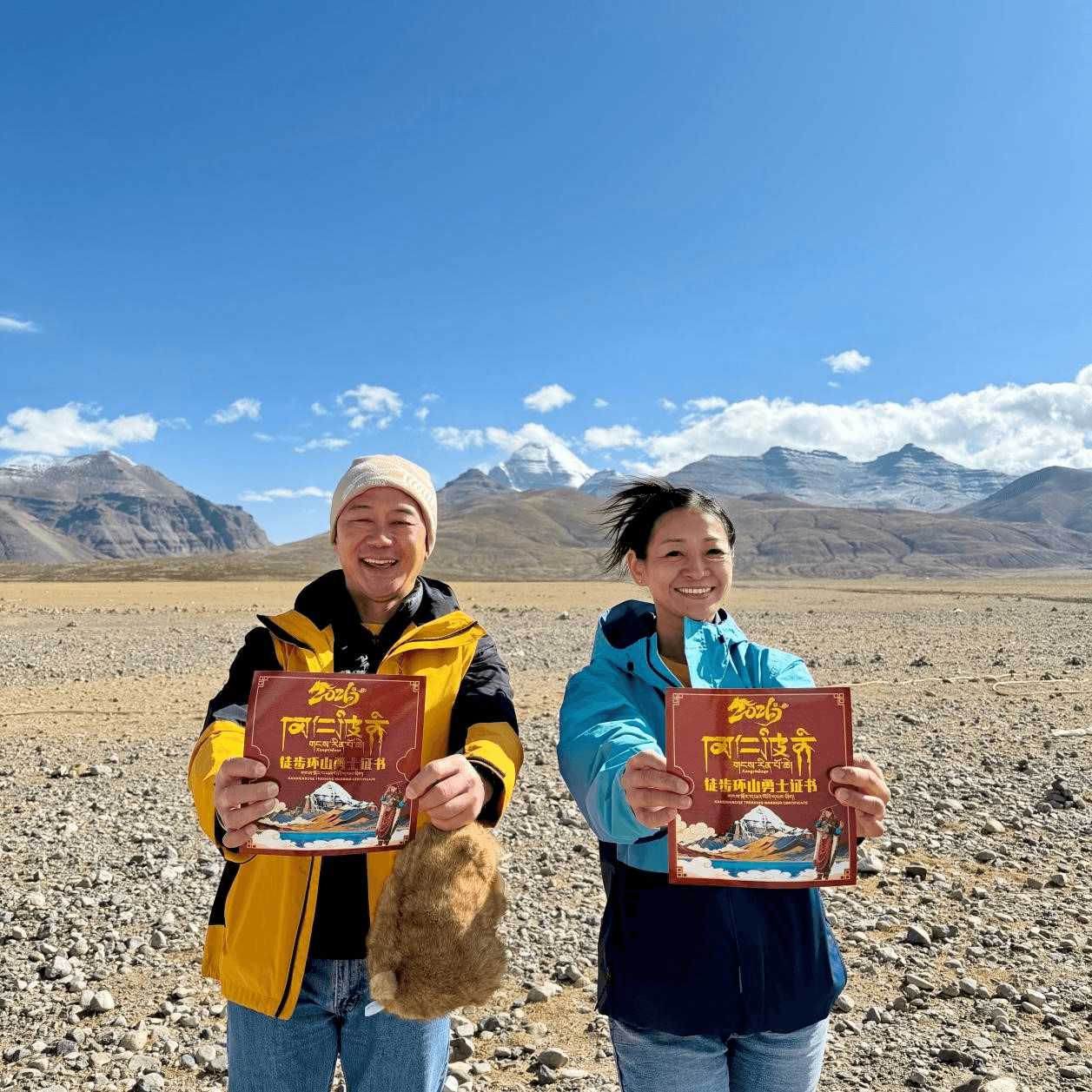
- The Sacred Mount Kailash & Lake Mansarovar Kora (15-17 Days): An extended high-altitude pilgrimage loop traversing the remote western Ngari Prefecture, featuring a 3-day trek around Mount Kailash crossing the 5,630-meter Dolma La Pass.
Pre-Departure Preparation and Acclimatization Guidance
Proper physical and logistical preparation remains critical to the success of any high-altitude Tibet tour. Tibet Horizon's updated planning resource outlines key operational recommendations for prospective visitors preparing for the 2026/2027 seasons:
Acclimatization Schedule: Reserve the first 48 hours upon arrival in Lhasa (3,650m) for complete physical rest. Avoid strenuous exertion, maintain high hydration levels, and delay alcohol consumption to allow natural physiological adaptation.
Climatic Layering: Prepare for extreme diurnal temperature shifts by packing moisture-wicking thermal base layers, insulating fleece or down mid-layers, and windproof outer shells suitable for sub-zero night temperatures at Everest Base Camp.
Atmospheric Protection: Equipping oneself with broad-spectrum UV protection, polarized UV400 sunglasses, protective headwear, and heavy-duty lip balm is necessary due to intense solar radiation at high elevations.
Financial Logistics: Ensure sufficient physical Chinese Yuan (RMB) cash reserves are carried for small transactions, village markets, and local tipping, as foreign credit card processing remains limited outside major urban hotels.
About Tibet Horizon
Tibet Horizon is a premier, locally rooted travel operator headquartered in Lhasa, Tibet. Specializing in high-quality, ethically grounded, and safe travel experiences across the Tibetan Plateau, the company offers a comprehensive range of services including permit processing, customized itinerary design, overland private transport, and expert guide services. Through its official online portal, Tibet Horizon continues to connect global travelers with the rich history, culture, and natural landscapes of the Roof of the World.
For more information on planning a Tibet tour for the 2026/2027 season, or to inquire about customized group and private itineraries, please visit the official website or contact the media department below.
Media Contact:
Tibet Horizon Service Team
Website:https://www.tibettourism.com/
Inquiries: Direct online booking and consultation portal available 24/7 at https://www.tibettourism.com/
Location: Lhasa, Tibet Autonomous Region, China
SOURCE: Tibet Horizon


