This Day in History
Key Points(5)
- <h2><strong>The Slave Revolt began in Jamaica</strong></h2> <span style="font-weight: 400;">Today, April 7, marks 256 years since the beginning of the Slave Revolt in Jamaica.
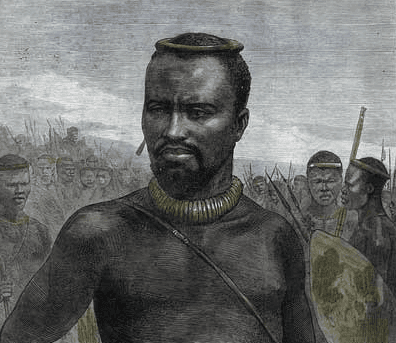
- The Slave Revolt was named after tribal chief Tacky, a Jamaican slave originally from Ghana, who planned and organized an uprising to gain freedom from slavery.
- Mary, and spread to other parishes over the next year, and began when the British took control of Jamaica in 1655.</span> <span style="font-weight: 400;">A crucial element to this uprising was in understanding the topography of the island.
- The map of Jamaica during this era shows how Jamaica's geography contributed to the course of the revolt that began in 1760 and ended in 1961.
- This rebellion later led to three critical uprisings.</span> One year later after the Revolt ended, the British Parliament abolished all slavery in the British Empire.
The Slave Revolt began in Jamaica
Today, April 7, marks 256 years since the beginning of the Slave Revolt in Jamaica. The Slave Revolt was named after tribal chief Tacky, a Jamaican slave originally from Ghana, who planned and organized an uprising to gain freedom from slavery.The revolt lasted from 1760 -1761, where over fifteen hundred enslaved men and women took advantage of the existing war which lasted seven years against France and Spain.
The Revolt began in the parish of St. Mary, and spread to other parishes over the next year, and began when the British took control of Jamaica in 1655.
A crucial element to this uprising was in understanding the topography of the island. The map of Jamaica during this era shows how Jamaica's geography contributed to the course of the revolt that began in 1760 and ended in 1961. This rebellion later led to three critical uprisings.
One year later after the Revolt ended, the British Parliament abolished all slavery in the British Empire.
The Revolt also later gave rise to the ‘Baptist War’, the largest slave uprising in the history of the British West Indies, which was led by Samuel Sharpe who was a slave and Baptist preacher. Sharpe later became one of Jamaica's national heroes.