

The Cheapest Root Canal Isn't Always the Cheapest: What Are You Really Paying For?
Key Points(5)
- A low dental quote can be tempting when you are already worried about an unexpected procedure.
- However, the cheapest option on paper may not represent the lowest overall expense.
- The root canal treatment cost can reflect far more than the procedure itself, including diagnosis, tooth anatomy, clinical expertise, imaging, restoration and follow-up care.
- Looking beyond the first number can help you make a more informed decision.
- Two root canals that sound identical can require very different levels of care.
A low dental quote can be tempting when you are already worried about an unexpected procedure. However, the cheapest option on paper may not represent the lowest overall expense. The root canal treatment cost can reflect far more than the procedure itself, including diagnosis, tooth anatomy, clinical expertise, imaging, restoration and follow-up care. Looking beyond the first number can help you make a more informed decision.
Two root canals that sound identical can require very different levels of care. A straightforward front tooth may have simpler anatomy, while a molar can have multiple canals that require more time and specialized techniques. Your location, insurance benefits and whether the tooth needs additional restoration can also influence what you ultimately pay.
What Does a Root Canal Bill Actually Cover?
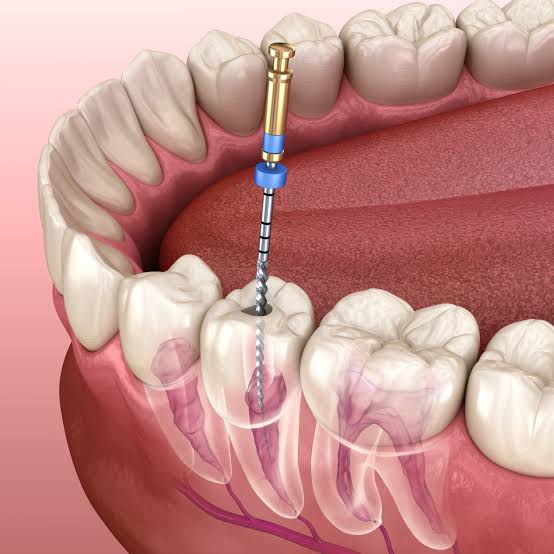
Root canal treatment involves removing inflamed or infected pulp, cleaning and shaping the canal system, filling it and sealing the tooth. The process may involve more than one appointment, and a temporary filling may be used before the final restoration is placed.
This means the treatment fee should not always be viewed as the complete cost of saving the tooth. The final restoration and other necessary services can form a significant part of the overall expense.
The Procedure Is Only One Part of the Treatment
A root canal is designed to address infection or inflammation inside the tooth. Afterward, the tooth usually needs protection so it can return to normal function.
Depending on the tooth and how much structure remains, the dentist may recommend a filling or crown. Back teeth often require crowns because they experience substantial chewing forces.
Therefore, comparing one clinic's root canal fee with another clinic's fee may not provide an accurate comparison if one quote includes restoration and the other does not.
Seven Reasons the Lower Quote May Not Be the Lower Overall Cost
Price differences are not automatically a sign that one provider is overcharging or another is offering better value. Several clinical and practical factors can explain why estimates vary.
1. The Tooth Being Treated Matters
Not every tooth presents the same technical challenge.
Front teeth generally have simpler root canal systems and are easier to access. Molars typically have multiple canals and can be harder to clean and treat. The American Association of Endodontists explains that molars usually cost more because their anatomy requires additional time and expertise.
A quote for a front tooth therefore should not automatically be used as a benchmark for the cost of treating a molar.
2. Complex Anatomy Can Increase Treatment Time
The visible part of a tooth does not tell the whole story.
Root canals can be narrow, curved or unusually arranged. Locating every canal and thoroughly treating the internal system requires precision and appropriate equipment. Complex anatomy can therefore increase treatment time and difficulty.
A higher fee may reflect the additional clinical work required rather than simply a higher price for the same procedure.
3. Specialist Expertise Can Affect the Price
Some root canal cases are appropriate for a general dentist, while others may benefit from an endodontist. Endodontists receive additional training focused on diagnosing and treating diseases involving dental pulp and tissues around tooth roots.
A complicated case may justify specialist care when the anatomy, previous treatment or other factors make the procedure more challenging.
The important question is not simply whether a specialist costs more. It is whether the expertise is appropriate for your particular case.
4. The Final Restoration May Be Separate
One of the easiest ways to underestimate the real cost of treatment is to focus only on the root canal procedure.
Once the infected pulp has been removed and the canal system sealed, the tooth still needs to be restored. Depending on its condition and location, that may involve a filling, crown or another restoration. The AAE recommends timely restoration because protecting the treated tooth plays an important role in its long-term function.
Before accepting a quote, ask whether the final restoration is included.
5. Retreatment Can Become a Different Financial Equation
A previously treated tooth can occasionally develop new problems months or years later. New decay, a damaged restoration, missed canals, complicated anatomy or other issues can contribute to reinfection or persistent disease.
Retreatment can cost more because existing filling materials and sometimes restorative materials need to be removed before the canals can be examined and treated again.
Five factors can make retreatment more involved:
- Existing root canal filling material may need removal
- A crown, post or other restoration may need to be accessed
- Additional canals may need to be located
- Unusual anatomy can require additional treatment time
- Further assessment may be necessary to identify the cause of the problem
The AAE notes that retreatment is generally more complex and therefore more expensive than the original endodontic procedure.
6. Your Insurance May Change the Number You Actually Pay
The dentist's fee is not necessarily the amount that comes out of your pocket.
Insurance coverage can depend on your deductible, annual maximum, remaining benefits, plan restrictions and other conditions. Some plans may also require authorization before certain procedures.
The AAE recommends checking your individual benefits because coverage varies between plans.
A higher quoted fee could potentially result in a similar or even lower personal expense if your insurance benefits differ between providers. Ask for a pre-treatment estimate whenever possible.
7. Geographic and Practice Factors Matter
Dental fees can vary considerably between locations. Operating expenses, local healthcare costs, technology, staffing and professional experience can all influence pricing.
The AAE specifically identifies geographic variation as one factor affecting root canal fees.
That does not mean a more expensive location automatically provides better care. It simply means price comparisons need context.
Five Questions to Ask Before Choosing the Cheapest Quote
Rather than asking only, "How much is the root canal?", ask what the quoted amount actually covers.
- Does the price include the examination and necessary imaging?
- Does it cover the complete root canal procedure?
- Is the permanent restoration included or billed separately?
- Does my case require an endodontic specialist?
- What will my estimated insurance contribution and out-of-pocket balance be?
These questions can reveal why two apparently similar estimates are actually very different.
Why the Lowest Initial Price Can Become More Expensive
A low price can be valuable when it reflects efficient, appropriate care. The problem occurs when the initial figure does not represent the complete treatment plan.
For example, a quote might cover the root canal but exclude the crown. Another might cover the procedure but involve a different approach to a complicated tooth. A third might not include diagnostic imaging or specialist evaluation.
The better comparison is therefore not "Which dentist charges the least?" but "Which complete treatment plan gives me a clear understanding of what I need and what I will pay?"
Root Canal Treatment Versus Extraction: Look Beyond the First Bill
Extraction can appear cheaper because removing the tooth may involve a smaller immediate procedure. But the financial calculation can change if the missing tooth needs replacement.
An extracted tooth may eventually require an implant, bridge or removable prosthesis to restore function and address the consequences of a missing tooth. The AAE notes that extraction followed by tooth replacement can be more costly and time-consuming than endodontic treatment and appropriate restoration.
That does not mean every tooth should automatically receive a root canal. Some teeth cannot be predictably restored, and extraction may be appropriate. The decision should come after an evaluation of the tooth's condition, restorability and available treatment options.
The Mental Wellness Cost of Dental Decisions
Money is only one source of stress surrounding dental treatment.
Unexpected dental expenses can create anxiety, especially when the recommendation arrives suddenly. Some people may feel embarrassed about delaying care or overwhelmed by the choices. Others may avoid appointments because they fear both the procedure and the financial consequences.
That reaction is understandable, but avoiding the decision does not necessarily make the situation easier. If an infected or damaged tooth needs treatment, delaying evaluation can allow the problem to progress.
A calmer approach is to break the decision into smaller questions. What is wrong with the tooth? Can it be saved? What treatment is recommended? What alternatives exist? What does each option cost in total?
Having clear information can make a stressful decision feel more manageable.
How to Protect Yourself From Unexpected Dental Expenses
You cannot control every factor that determines a dental fee, but you can make the financial side easier to understand.
Ask for a written treatment plan and request an explanation of every major component. If a crown or other restoration is likely, ask about its estimated cost before beginning treatment.
You should also clarify whether the proposed treatment requires a specialist. If a previous root canal has failed, ask why retreatment is being recommended and whether other endodontic options exist.
Most importantly, do not make a decision based solely on the first number you hear.
What Good Value Really Looks Like
Good value in dental care is not necessarily the lowest fee. It means receiving appropriate treatment that addresses the problem while considering long-term function, restorability and future costs.
When a natural tooth can be predictably saved, root canal treatment may offer an opportunity to preserve it. The AAE notes that properly treated and restored teeth can function for many years and that preserving a natural tooth can avoid some of the additional procedures associated with replacement.
That does not make price irrelevant. Affordability matters. But the smartest financial decision usually comes from understanding the entire treatment pathway rather than selecting the cheapest isolated procedure.
For patients researching treatment options, Nuffield Dental can also serve as a useful reference point when considering dental care, treatment planning and the connection between oral health and overall wellbeing.
A Smarter Way to Think About Root Canal Cost
The cheapest root canal is not automatically the cheapest choice.
The real cost can include diagnosis, imaging, clinical expertise, the complexity of the tooth, restoration, insurance limitations and future treatment. A low initial quote may look attractive until additional services are added. Conversely, a higher initial estimate may include more of the care you actually need.
Before choosing, compare complete treatment plans rather than isolated prices. Ask what is included, what is separate, what your insurance covers and whether the tooth can be predictably restored.
Ultimately, the most useful question is not simply how little you can pay today. It is whether the proposed treatment provides appropriate care while giving you a realistic understanding of your total financial commitment and your tooth's long-term prospects.


