Suriname becomes first Amazonian nation to eliminate malaria
Key Points(4)
- <!-- wp:html --> <p>After 70 years of combating malaria, Suriname has become the first Amazonian nation to eliminate the mosquito-borne disease, the World Health Organization (WHO) announced on Monday.</p> <p>The accomplishment is particularly notable given the country’s challenging geography.
- Jarbas Barbosa, Director of the Pan American Health Organization (PAHO).
- "It means that future generations will be free of this potentially deadly disease."</p> <p>Suriname’s efforts began in the 1950s, initially targeting the coastal regions through indoor insecticide spraying and antimalarial treatments.
- Tedros Adhanom Ghebreyesus.</p> <!-- /wp:html -->
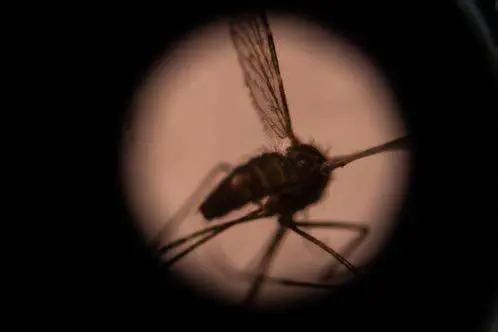
After 70 years of combating malaria, Suriname has become the first Amazonian nation to eliminate the mosquito-borne disease, the World Health Organization (WHO) announced on Monday.
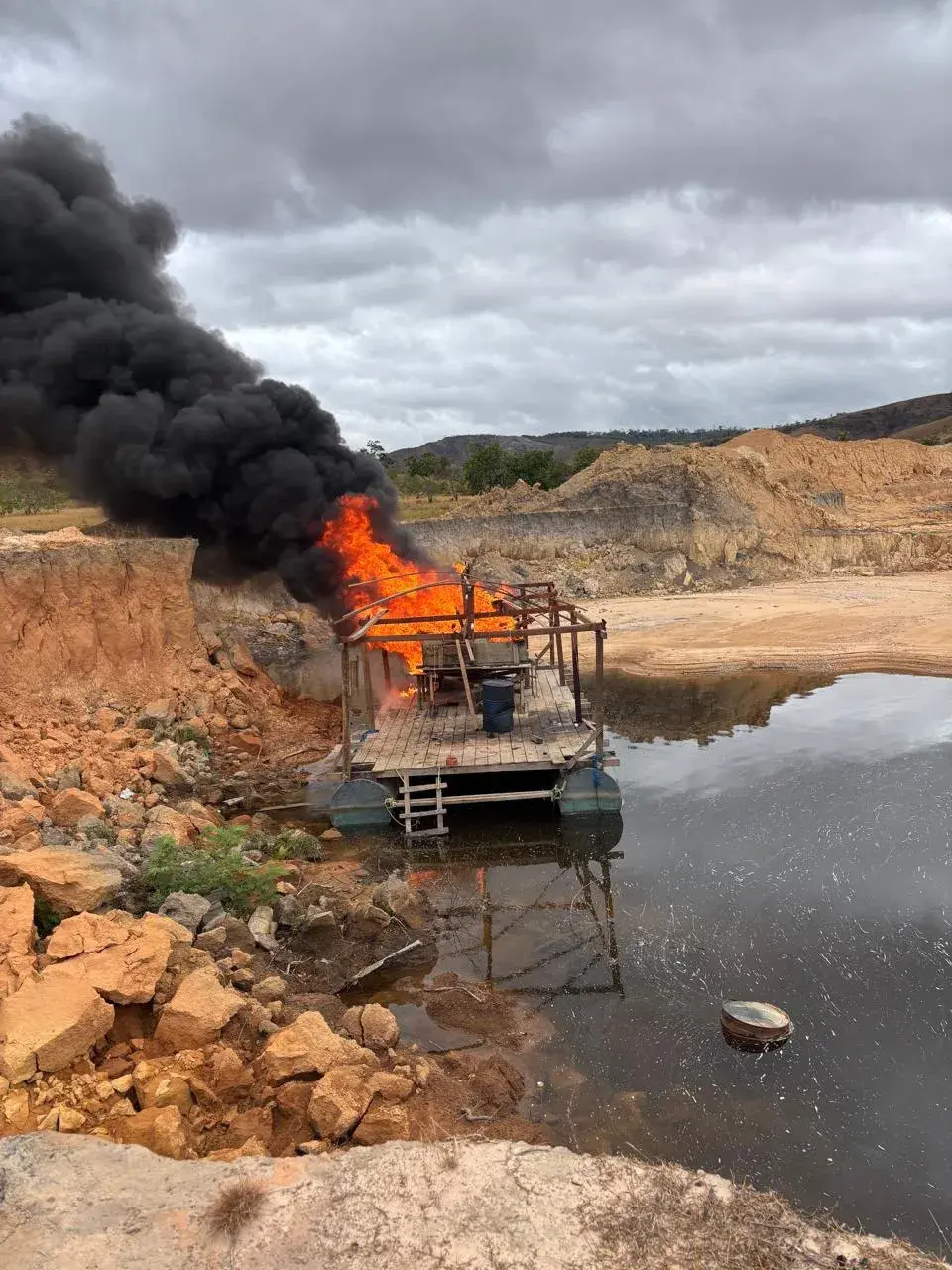
The accomplishment is particularly notable given the country’s challenging geography. The former Dutch colony, located on the northern edge of South America, is riddled with industrial and artisanal mining sites — ideal breeding grounds for mosquitoes due to stagnant pools of water.
Suriname is now the 46th country worldwide — and the 12th in the Americas — to be certified malaria-free by the WHO.
"This certification reflects years and years of sustained efforts, especially reaching remote regions," said Dr. Jarbas Barbosa, Director of the Pan American Health Organization (PAHO). "It means that future generations will be free of this potentially deadly disease."
Suriname’s efforts began in the 1950s, initially targeting the coastal regions through indoor insecticide spraying and antimalarial treatments. By the 1960s, the disease had been eliminated from the coast, and efforts shifted to the interior, where Indigenous and tribal communities are spread across remote areas.
Malaria cases peaked in 2001 at 15,000, but numbers declined sharply in the years that followed, with help from the Global Fund to Fight AIDS, Tuberculosis and Malaria. The organization supported the country’s prevention strategy, including the widespread distribution of insecticide-treated mosquito nets.
According to PAHO, the last malaria case in Suriname was reported in 2021.
“Suriname’s steadfast dedication to health equity serves an inspiration to all other countries striving to achieve a malaria-free tomorrow,” said WHO Director General Dr. Tedros Adhanom Ghebreyesus.