

Structural Healing and Nasal Surgery Recovery with Dr. Richard Rival
Key Points(5)
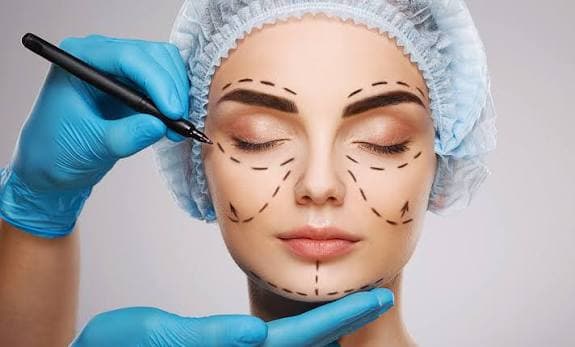
- Facial cosmetic surgery is a transforming journey that combines the precision of the surgery with the natural healing of the body.
- Of all the operations in plastic surgery, changing the shape of the nose is one of the most complicated.
- It takes time and patience before the final result is seen.
- Patients researching rhinoplasty near me are often focused on the visual result, but knowing the timeline of tissue recovery is key to keeping peace of mind through the post-operative period.
- Physiology of Nasal Tissue Healing The post-structural nasal refinement recovery period is marked by dynamic tissue responses which evolve over a span of several months.
Facial cosmetic surgery is a transforming journey that combines the precision of the surgery with the natural healing of the body. Of all the operations in plastic surgery, changing the shape of the nose is one of the most complicated. It takes time and patience before the final result is seen. Patients researching rhinoplasty near me are often focused on the visual result, but knowing the timeline of tissue recovery is key to keeping peace of mind through the post-operative period.
Physiology of Nasal Tissue Healing
The post-structural nasal refinement recovery period is marked by dynamic tissue responses which evolve over a span of several months. Initially, swelling, fluid retention and localized inflammation affect the nasal skin, cartilage and underlying bone after surgery. It is perfectly normal to have different rates of swelling, as the tissues on the left and right side of the nose may react differently to surgical manipulation.
Early on in the healing process, the nose may look a little asymmetrical as inflammatory processes are dynamic and can cause temporary changes in shape. Experiencing asymmetric healing after a nose job is a common occurrence rather than a sign of structural failure. Gravity, sleeping positions and minor differences between the left and right sides of the face in terms of lymphatic drainage all cause uneven swelling patterns .
Gradually, as the contours of the tissues settle into their permanent positions, the body reabsorbs fluid. Initial swelling of the structure decreases considerably over the first few weeks, but mild residual swelling may persist at the end of a year or more, especially around the nasal tip. The identification of these physiological phases allows patients to differentiate temporary recovery asymmetry from lasting structural alignment.
Managing expectations and postoperative care
Following the clinical guidelines for post-operative recovery is important to minimize unnecessary swelling and protect delicate cartilage frameworks. Everyday small choices are having a direct impact on how tissues heal and find their balance over time:
Head Elevation and Location: Elevating the head while sleeping decreases the localized blood pressure within the facial tissues, allowing the fluid to drain evenly from both sides of the nose.
Avoid direct physical pressure. Heavy glasses that rest on the bridge of the nose or sleeping on one side can cause uneven mechanical pressure on healing tissue.
Activity Management: Sudden flare-ups of swelling, protracted recovery periods or localized fluid buildup can be brought on by vigorous physical activity, heavy lifting or activities that elevate the heart rate.
Follow-Up Protocols: Scheduled post-operative appointments provide surgical teams the opportunity to observe recovery milestones, tissue changes, and offer tailored advice.
Open communication with your surgical team will help reassure you throughout the entire recovery process. Surgeons at routine follow-up appointments assess subtle tissue responses, helping to ensure that swelling resolves naturally and providing guidance on whether specific treatments, such as specialized taping or gentle massages, are appropriate.
Long-Term Results. Lasting Results.
Patience is still the most important factor in post-surgical healing. Bruising and major swelling have long since subsided, but facial structures continue to improve. Individual cartilage elasticity, skin thickness, and surrounding facial features all affect how quickly symmetry is achieved.
Taking the time to understand the entire healing lifecycle will enable the individual to feel confident and have realistic expectations for their surgical outcome. Trusting in the body’s natural healing process and working hand-in-hand with qualified medical professionals will leave you with a comfortable, educated and satisfying esthetic outcome.

