St. Vincent and the Grenadines lifts 15-year ban on bird imports
Key Points(5)
- Vincent and the Grenadines has lifted its ban on the importation of birds with immediate effect, ending restrictions that had been in place since 2011.
- The Ministry of Agriculture, Forestry and Rural Transformation announced the decision, saying improvements in the country’s animal health surveillance and diagnostic capabilities have made it possible to safely allow controlled imports.
- The ban was introduced 15 years ago as a precautionary measure to prevent the introduction of avian diseases, including avian influenza and Newcastle disease.
- It was also intended to protect the country’s poultry sector and the native population of the St.
- Vincent parrot, or Amazona guildingii .
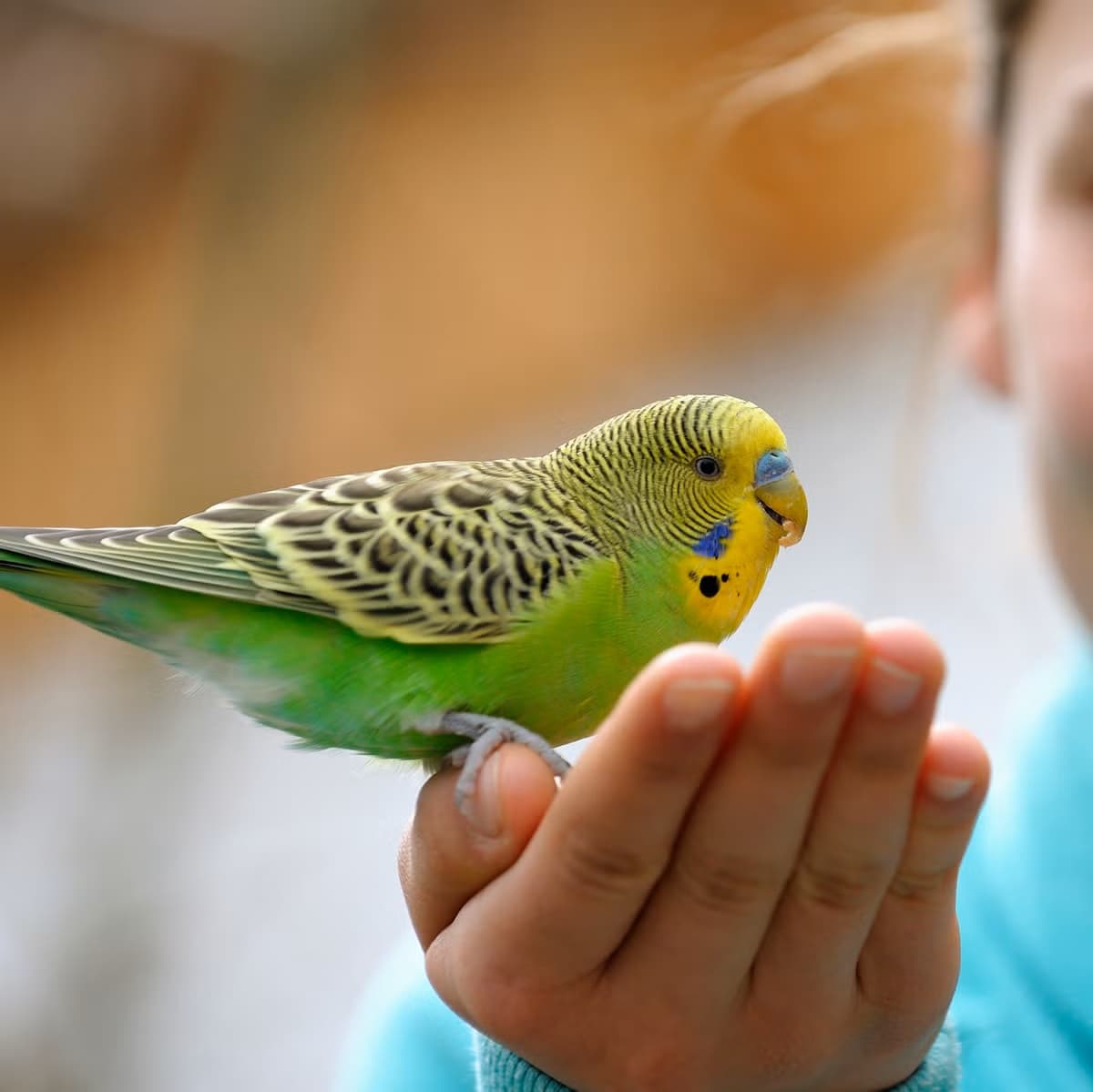
St. Vincent and the Grenadines has lifted its ban on the importation of birds with immediate effect, ending restrictions that had been in place since 2011.
The Ministry of Agriculture, Forestry and Rural Transformation announced the decision, saying improvements in the country’s animal health surveillance and diagnostic capabilities have made it possible to safely allow controlled imports.
The ban was introduced 15 years ago as a precautionary measure to prevent the introduction of avian diseases, including avian influenza and Newcastle disease. It was also intended to protect the country’s poultry sector and the native population of the St. Vincent parrot, or Amazona guildingii.
According to the ministry, the country had limited diagnostic and surveillance capacity when the restrictions were introduced. However, investments in laboratory testing, trained personnel and regional cooperation have significantly strengthened its ability to detect and manage animal health threats.
The ministry said its decision also reflects international standards established by the World Organisation for Animal Health (WOAH), which provides guidelines for the safe trade of pet birds.
It also cited World Trade Organization sanitary and phytosanitary principles, which discourage blanket import bans in cases where appropriate risk-based measures can be implemented.
Regional practices were another factor in the decision, with the ministry noting that Caribbean Community (Caricom) and Organisation of Eastern Caribbean States (OECS) partners allow controlled bird imports under certification and quarantine requirements.
The government said harmonizing its rules with regional partners would help reduce trade barriers and support regional integration.
Officials also expect the resumption of controlled imports to benefit pet owners and local businesses, including pet shops and veterinary services, while supporting diaspora and tourism linkages.
However, the lifting of the ban does not mean birds can be imported without restrictions.
Importers will be required to obtain a veterinary health certificate from the exporting country, while imported birds must undergo a minimum 28-day quarantine in an approved facility.
Laboratory testing for avian pathogens will also be required before birds can be released, and importers must comply with national biosecurity standards