Shallow backs Dehring on ICC revenue reform, says remarks were misinterpreted
Key Points(5)
- Cricket West Indies (CWI) President Dr.
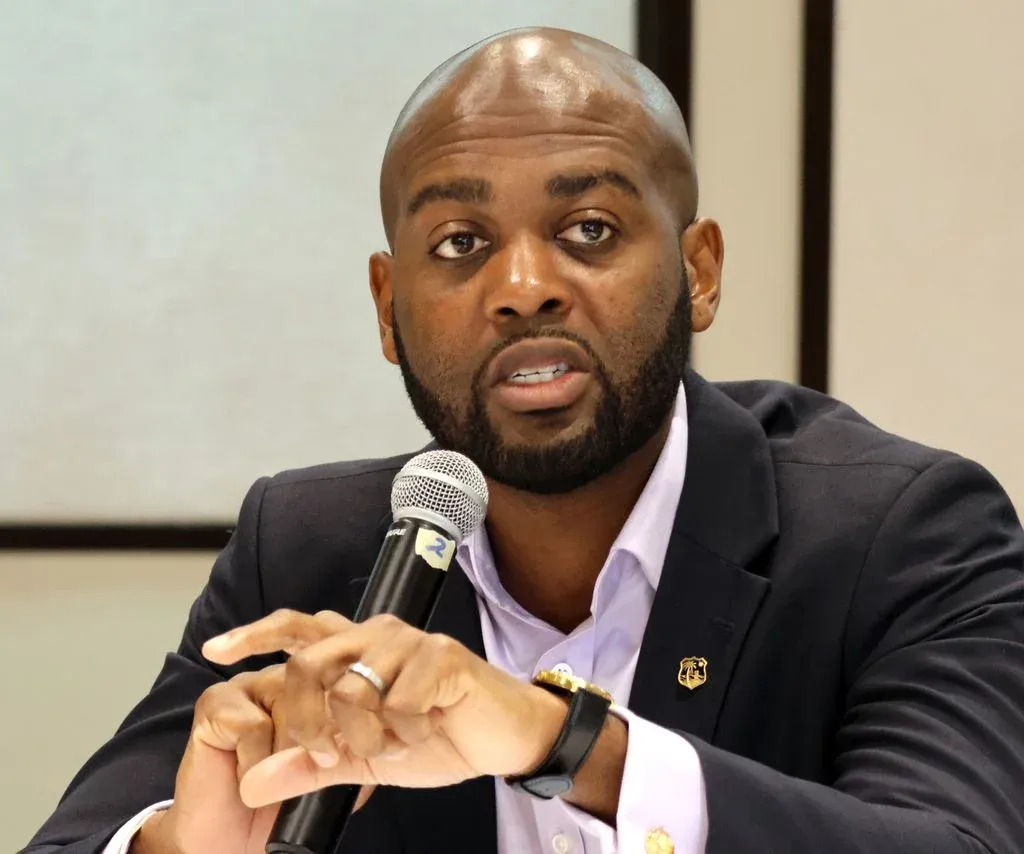
- Kishore Shallow has thrown his support behind Chief Executive Officer Chris Dehring’s call for changes to the International Cricket Council’s revenue-sharing model, arguing that the executive’s comments were misunderstood.
- Dehring recently questioned the fairness of the ICC’s commercial arrangements, calling for a system that delivers greater benefits to smaller cricketing nations, including the West Indies and New Zealand.
- The debate intensified after it emerged that CWI did not receive a share of the broadcast revenue generated by India’s bilateral rights for its recently completed white-ball tour, which featured three One-Day Internationals and five Twenty20 Internationals.
- Under the existing arrangements, the host board generally retains the revenue earned from broadcasting rights for bilateral international series.
Cricket West Indies (CWI) President Dr. Kishore Shallow has thrown his support behind Chief Executive Officer Chris Dehring’s call for changes to the International Cricket Council’s revenue-sharing model, arguing that the executive’s comments were misunderstood.
Dehring recently questioned the fairness of the ICC’s commercial arrangements, calling for a system that delivers greater benefits to smaller cricketing nations, including the West Indies and New Zealand.
The debate intensified after it emerged that CWI did not receive a share of the broadcast revenue generated by India’s bilateral rights for its recently completed white-ball tour, which featured three One-Day Internationals and five Twenty20 Internationals.
Under the existing arrangements, the host board generally retains the revenue earned from broadcasting rights for bilateral international series.
Speaking to Guardian Media Sports, Shallow said Dehring’s central argument was that a revised commercial framework could help smaller members compete in an increasingly revenue-driven sport.
Shallow clarifies Dehring’s position
“I suspect it was sort of taken out of context what the CEO (Chris Dehring) said,” Shallow said.
He explained that the CWI chief executive was advocating changes intended to improve the financial position of boards that do not enjoy the same commercial influence as cricket’s wealthiest nations.
“…I think the point that Chris was making, or he tried to make, was by and large an amendment to the commercial model would help smaller members, the likes of Cricket West Indies, New Zealand, and so on,” Shallow said.
The CWI president also indicated that the issue could be considered at the highest level of international cricket, although any change would depend on discussions among ICC members.
“It’s something that I’m sure is topical at the board level of the ICC, and maybe in the coming period, when there’s a discussion around that, who knows, it may be revised.”
Shallow’s comments make clear that CWI supports the broader principle behind Dehring’s intervention: that the international game’s commercial structure should provide smaller cricket boards with greater opportunities to sustain and develop their programs.
India tour still delivered financial benefits
Despite the absence of a direct share of India’s bilateral broadcasting rights revenue, Shallow stressed that the tour was still financially valuable to Cricket West Indies.
He noted that India’s enormous market and commercial reach create sponsorship opportunities that can benefit the visiting team, even when the host board controls the broadcast income.
“When we host India, this is one of the series that we generate significant revenue from,” Shallow said.
“Though we don’t get a share of their broadcast deal, we do benefit from them financially from the tour.”
CWI was able to secure sponsorship opportunities during the series, with commercial partners supporting both the ODI and T20I contests.
The distinction is central to the debate: while the West Indies can generate income through sponsorship and other commercial activities associated with a tour, those benefits are separate from the broadcast-rights revenue retained under the host board’s arrangements.
Shallow’s position therefore combines recognition of the financial value of playing India with support for a wider review of how cricket’s commercial rewards are distributed.
For CWI, the question is not simply whether a bilateral tour can generate revenue, but whether the sport’s international financial framework can better support boards operating with fewer commercial resources.