Samuda calls for commercial vision, investment and Olympic ambition in Jamaican hockey
Key Points(5)
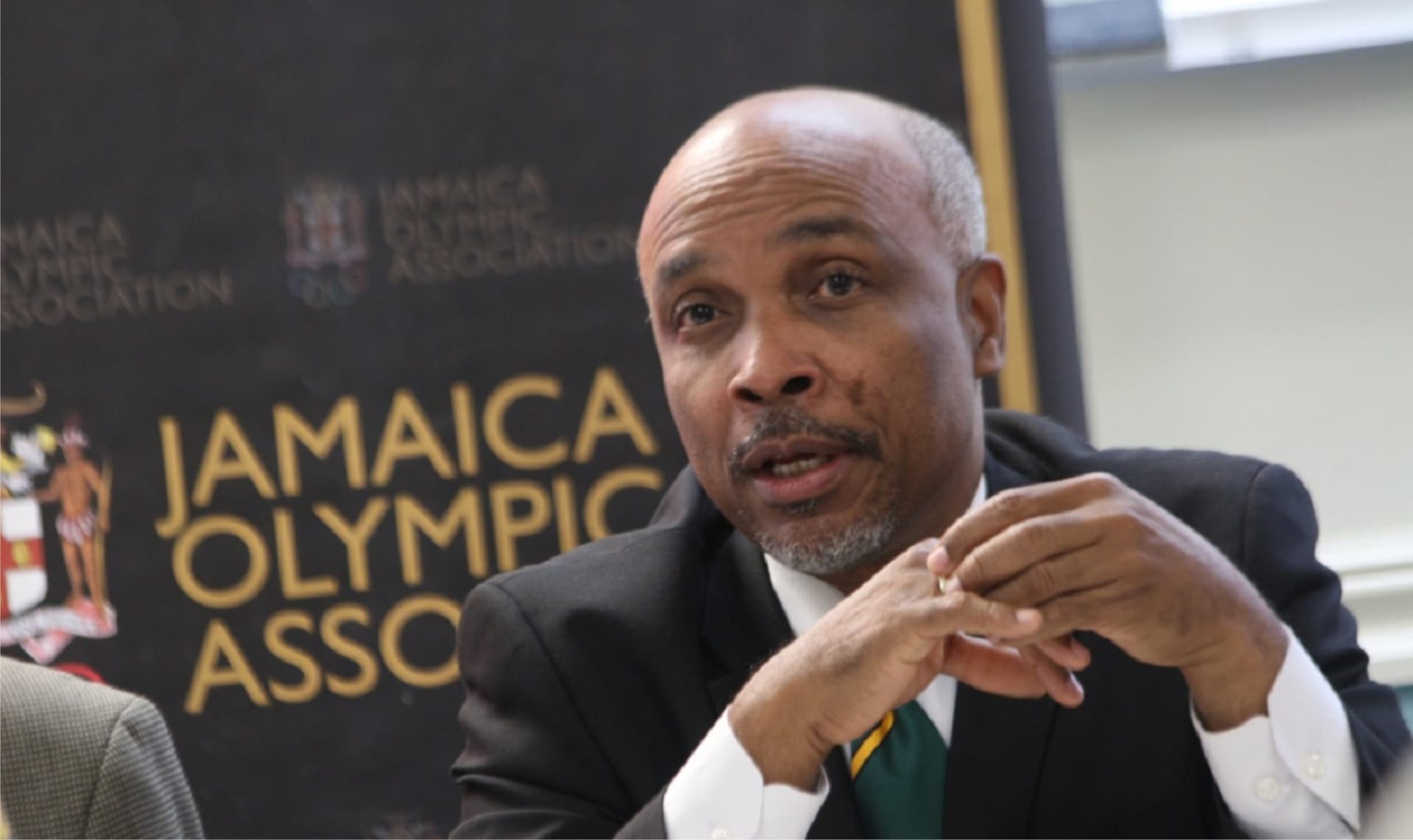
- Jamaica Olympic Association (JOA) President Christopher Samuda has challenged the Jamaica Hockey Federation (JHF) to move beyond rhetoric and embrace accountability, commercial innovation and strategic investment if the sport is to fulfil its Olympic ambitions.
- His address combined a tribute to the officials being recognized with a call for greater professionalism, urging those who serve Jamaican sport to place national development above personal gain and translate their commitment into measurable progress.
- “Sport and sport development cannot afford what is termed, in other spheres, as ‘diplomatic euphemism’ or in common parlance, ‘empty talk,’” Samuda declared.
- He argued that sporting organizations cannot build successful futures on comforting promises or good intentions alone.
- They must confront their weaknesses honestly, acquire the knowledge and technical expertise required for development, and make investment decisions that prioritize the long-term health of their sports.
Jamaica Olympic Association (JOA) President Christopher Samuda has challenged the Jamaica Hockey Federation (JHF) to move beyond rhetoric and embrace accountability, commercial innovation and strategic investment if the sport is to fulfil its Olympic ambitions.
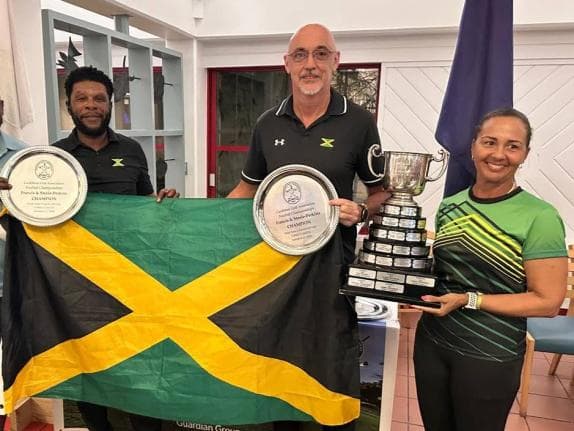
Addressing the federation’s National Senior team at its official awards ceremony at the Liguanea Club in Kingston earlier this month, Samuda delivered a pointed message about the responsibilities of sports administrators, the value of volunteerism and the need to build financially sustainable sporting institutions.
His address combined a tribute to the officials being recognized with a call for greater professionalism, urging those who serve Jamaican sport to place national development above personal gain and translate their commitment into measurable progress.
“Sport and sport development cannot afford what is termed, in other spheres, as ‘diplomatic euphemism’ or in common parlance, ‘empty talk,’” Samuda declared.
He argued that sporting organizations cannot build successful futures on comforting promises or good intentions alone. They must confront their weaknesses honestly, acquire the knowledge and technical expertise required for development, and make investment decisions that prioritize the long-term health of their sports.
Volunteerism is service, not a route to personal gain
Samuda placed volunteerism at the center of his address, warning that a culture increasingly driven by immediate rewards and personal benefits threatens one of the foundations of organized sport.
While acknowledging the growing professional demands placed on sports administrators, managers, coaches and other personnel, he insisted that voluntary service must retain its defining principle: a commitment to the sport and the country that transcends individual advantage.
“We must resist the politics of opportunism and politicking for money and self-gain which have no place in the business of sport,” he said.
He cautioned against allowing profile-seeking, résumé building and the pursuit of material benefits to displace the genuine spirit of service.
The commercialization of sport, he noted, has raised expectations of volunteers, who are increasingly required to manage human and physical resources, meet performance targets and deliver professional standards, often without the compensation associated with salaried employment.
That reality, he argued, makes the decision to volunteer a serious undertaking rather than an opportunity to enjoy the trappings of sporting administration.
“The volunteer’s cuisine lies not in a belly-full of per diems, branded gears and knap-sacks, photo-ops with sporting stars and excursions and the like; but in the marinated service that you deliver to your sport country which is designed to make it a competitive product,” Samuda said.
For him, the ultimate reward is the opportunity to help build a sporting product capable of attracting sponsors, partners, stakeholders and financiers who believe in its future.
“It is service to country. It is a personal declaration to the nation: ‘I’m at your service,’” he said.
Accountability begins with the individual
Samuda also called on sports administrators to examine their own performance continually, rather than relying exclusively on formal evaluations conducted by the organizations they serve.
Good governance, he argued, begins with a willingness to assess whether one is making a meaningful contribution and whether the responsibilities of leadership are being discharged effectively.
“‘If it is going to be, it is up to me’ is more than a philosophical self-appraisal. It is a pragmatic performance metric that volunteers must first undergo,” he said.
He warned that individuals who cannot commit themselves fully to the demands of leadership should be prepared to step aside rather than occupy positions without purpose.
Sports organizations, he maintained, cannot afford leadership vacuums created by officials who retain their positions without delivering the vision, discipline and accountability required to move their disciplines forward.
Samuda called for a culture in which those entrusted with responsibility understand both the obligations of their positions and the importance of sound self-governance.
Vision must extend beyond the playing field
Turning to the broader demands of sports development, Samuda said administrators must look beyond immediate competition and develop a comprehensive understanding of where their sports are heading.
That means combining technical knowledge with an appreciation of science and technology, performance mechanics, commercial opportunities, sports diplomacy and the financial decisions necessary to establish sustainable infrastructure.
He stressed that effective development requires more than recognizing the immediate needs of athletes and teams. It demands an informed assessment of future opportunities, realistic planning and a willingness to invest in the foundations of long-term success.
The objective, he argued, should be to build a sporting product with sufficient competitive appeal and institutional strength to attract the resources required for its continued growth.
For Jamaican hockey, that broader vision must now include a determined pursuit of the Olympic dream.
Hockey urged to turn infrastructure challenges into opportunities
Samuda acknowledged the obstacles facing the federation, particularly the absence of a gold-standard, water-based artificial turf that he considers critical to the sport's development.
He recognized that the federation has been working to address the challenge rather than allowing the lack of the facility to halt its progress.
However, he urged hockey officials to become more aggressive and creative in identifying solutions, noting that other sports face similar infrastructure constraints.
“Hockey has been cooking in the Dutch pot of sport and there is now the will to extract from the pot food for life for the sport,” he said, using the metaphor to describe the opportunity to turn accumulated experience and renewed determination into tangible progress.
He challenged the federation to make Olympic qualification and participation a central objective, supported by the necessary facilities, investment, coaching expertise and athlete-centered planning.
The task, he emphasized, is not simply to articulate an ambition but to build the conditions under which that ambition can become attainable.
Mona Road property could unlock new revenue
Samuda also identified the federation's property on Mona Road as a potential source of sustainable income, suggesting that its commercial possibilities should be examined as part of a broader financial strategy.
He argued that sporting venues and properties increasingly have a role beyond hosting competitions, with facility management emerging as an important commercial activity capable of supporting the long-term financial stability of sports organizations.
He proposed exploring a commercial model that could allow the federation to generate revenue from the asset and reduce its dependence on traditional funding sources.
“You have an asset along Mona Road which is your residence that can be commercialized in establishing a revenue oasis,” he said.
Samuda said the wider sporting landscape was changing, with venues increasingly functioning as business hubs rather than merely locations for competition.
His suggestion was that hockey should assess how its property could be developed or managed to generate income that could be reinvested in facilities, athletes and the sport's continued operation.
Such an approach, he argued, would help establish a stronger financial foundation for the federation as it pursues its competitive objectives.
Awards must inspire the next phase of development
Samuda praised the officials being recognized at the ceremony for the time, energy and personal resources they have devoted to Jamaican hockey.
But he stressed that the significance of their contribution extended beyond the hours they had volunteered. Their commitment to the sport, he said, must now be matched by strategic planning, high-quality coaching, targeted investment and an unwavering focus on athletes.
He called for these elements to work together in pursuit of a place for Jamaican hockey on the Olympic stage.
“My congratulations to you, the sport’s officials, to you servants of the sport and co-creators of the future of the sport,” he said.
He also commended the federation's leadership for recognizing the individuals whose work helps sustain the sport, while reminding those being honored that their contribution forms part of a larger national undertaking.
For Samuda, the ceremony was therefore both a celebration of service already rendered and a challenge to build on that work with greater purpose.
His closing message returned to the central themes of responsibility, ambition and delivery: Jamaican hockey must preserve the spirit of volunteerism while developing the commercial strength, infrastructure and competitive capability necessary to advance.
“The sport must live on, the game must be guaranteed and the match won!”