Rising prices of fruits and vegetables loom in T&T as climate challenges persist
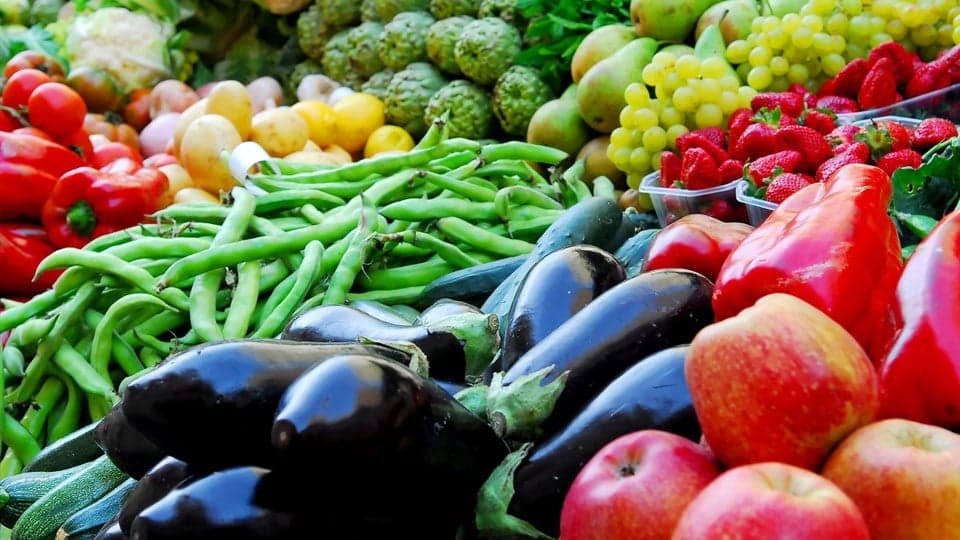
Consumers across Trinidad and Tobago are being urged to brace themselves for a potential surge in the cost of various fruits and vegetables, as climate-related challenges continue to impact local agriculture.
The warning has been issued by Darryl Rampersad, the President of the Agricultural Society of Trinidad and Tobago (ASTT), shedding light on the ongoing struggles faced by farmers due to changing weather patterns.
Climate change presents persistent hurdles for farmers
Rampersad shared with Loop News that as climate change remains a looming threat, local farmers in Trinidad and Tobago are grappling with the uncertainty it brings.
The nation’s farmers have been grappling with erratic weather conditions, with Rampersad explaining that a hotter and drier-than-usual season is anticipated for the year ahead.
These unfavorable conditions are expected to exert pressure on crop production, ultimately leading to price hikes for consumers.
Water scarcity takes its toll on crop production
The scarcity of water resources is a pivotal factor exacerbating the situation. With limited access to water, farmers may be compelled to scale back their crop production efforts, aligning them with the available water supply.
Rampersad emphasized that this impending water shortage is poised to curtail the production of crops, inevitably causing an upsurge in their market prices.
Agricultural advancements and funding dilemmas
Despite these challenges, the Agricultural Society of Trinidad and Tobago (ASTT) is actively exploring avenues to improve the sector’s resilience.
Rampersad outlined plans to secure funding for the establishment of an agricultural center that would serve as a hub for data management and infrastructure enhancement for local farmers.
This center is envisioned to play a crucial role in addressing the agricultural sector’s existing issues.
Technology and funding in agriculture
While technological advancements, such as greenhouses, hold the promise of reducing long-term costs for farmers, Rampersad highlighted the pivotal role funding plays in the sector’s success.
He emphasized the need to evaluate the cost implications associated with advancing agriculture and ensuring that Trinidad and Tobago keeps pace with the evolving agricultural landscape.
A call for improved accessibility to agricultural incentives
Furthermore, Rampersad pointed out that the country’s agricultural incentive program needs to be more accessible to farmers.
He emphasized the necessity of addressing existing gaps in the system to support the growth of the agricultural sector in Trinidad and Tobago.
Dry season challenges on the horizon
The Meteorological Office’s forecast for the upcoming dry season, spanning from January to March, suggests that it will be predominantly drier than usual.
This dry spell is expected to contribute to heightened surface and vegetation dryness, creating a conducive environment for bush, forest, and landfill fires.


.jpeg&w=3840&q=75)

.jpg&w=3840&q=75)