PAHO warns of childhood lead poisoning risks across Caribbean
Key Points(5)
- The Pan American Health Organization (PAHO) is urging Caribbean countries to strengthen efforts to detect and prevent childhood lead poisoning, warning that exposure to the toxic metal can cause irreversible health effects even when children show no symptoms.
- In a statement marking International Lead Poisoning Prevention Week, observed from Oct.
- 18 to 24, the regional health agency said children can be exposed to lead in their homes and communities, with potentially lasting consequences for brain development and overall health.
- PAHO estimates that 815 million children worldwide, or about one in three, are affected by lead poisoning.
- The agency stressed that there is no known safe level of lead in the blood, noting that even low concentrations can contribute to reduced intelligence, behavioral difficulties and learning problems.
The Pan American Health Organization (PAHO) is urging Caribbean countries to strengthen efforts to detect and prevent childhood lead poisoning, warning that exposure to the toxic metal can cause irreversible health effects even when children show no symptoms.
In a statement marking International Lead Poisoning Prevention Week, observed from Oct. 18 to 24, the regional health agency said children can be exposed to lead in their homes and communities, with potentially lasting consequences for brain development and overall health.
PAHO estimates that 815 million children worldwide, or about one in three, are affected by lead poisoning.
The agency stressed that there is no known safe level of lead in the blood, noting that even low concentrations can contribute to reduced intelligence, behavioral difficulties and learning problems.
In Latin America and the Caribbean, studies indicate that about 30% of children tested had blood lead levels exceeding five micrograms per deciliter, while nearly 7% recorded levels above 10 micrograms per deciliter.
PAHO also linked lead exposure to nearly 200,000 deaths annually in the region. Globally, the World Health Organization (WHO) estimates that more than 3.5 million deaths were attributable to lead exposure in 2023, primarily from cardiovascular complications.
“Lead poisoning is preventable, but we cannot prevent what we do not identify,” said Francisco Sánchez Otero, PAHO’s technical adviser on chemical safety.
He said stronger surveillance and better identification of exposure sources were essential to protecting children before irreversible damage occurred.
Major sources of lead exposure
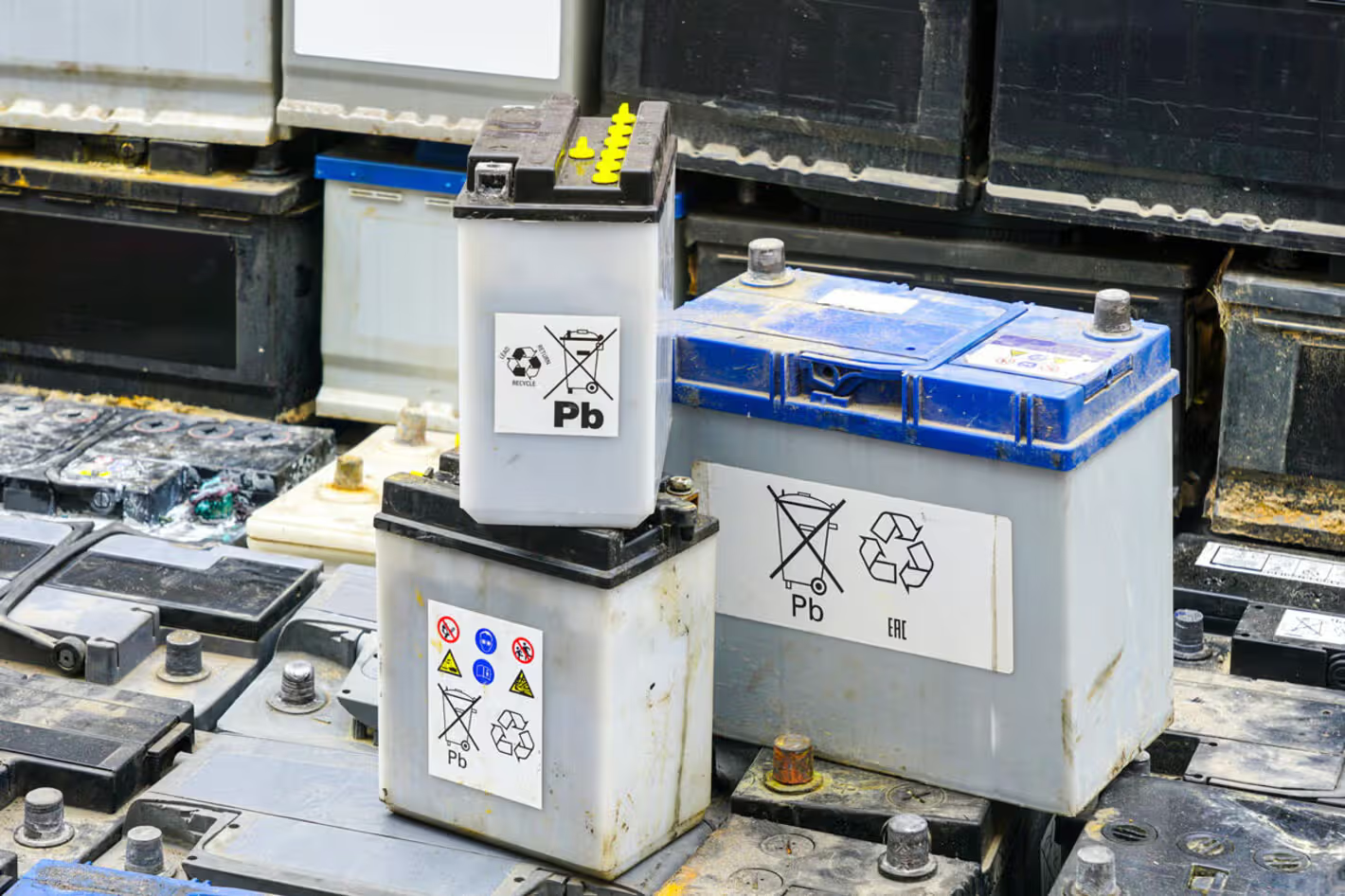
PAHO identified mining, industrial activities, informal recycling of lead-acid batteries, lead-based paints and lead-glazed ceramics as major sources of lead exposure in the region.
Children can also ingest or inhale lead through contaminated dust, soil, water and food.
The agency warned that limited testing and surveillance in several countries continue to hinder efforts to identify affected populations and prevent further exposure.
To address the problem, PAHO is assisting Caribbean and other countries in strengthening laboratory testing, blood lead monitoring, environmental surveillance and regulations governing hazardous products.
Its efforts also include improving drinking water safety, phasing out lead-containing paints and promoting safer battery recycling practices.
In May, WHO introduced an initial module of its PREVENT Technical Package on Lead Poisoning Prevention, with the full framework expected in 2027.
PAHO said coordinated action across the health, environment, education and industrial sectors was critical to reducing exposure and protecting children from long-term harm.
“By linking surveillance data to targeted interventions, countries can move beyond documenting lead exposure to preventing it, protecting children from irreversible harm,” the agency said.