Miami Carnival: Why Caribbean women turn out in such numbers
Key Points(5)
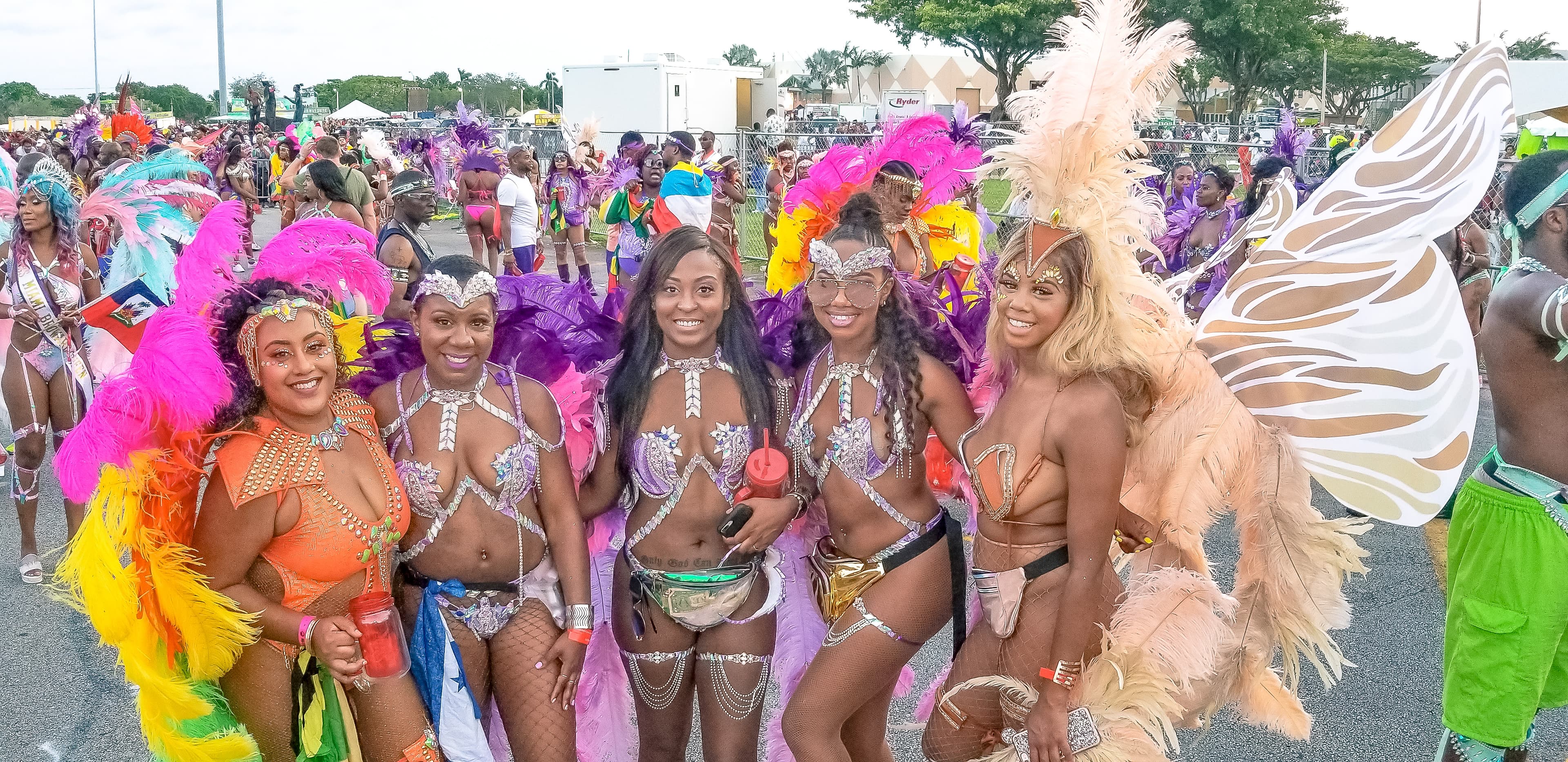
- Women make up 70 per cent of the revelers at Miami Carnival, a statistic that offers an interesting glimpse into the relationship between Caribbean women and Carnival in the diaspora.
- As the Miami-Broward Carnival prepares for its 2026 staging from October 3 to 11, more than 18,000 masqueraders are expected to take part in the Parade of Bands, with 16-plus masquerade bands taking to the road on October 11.
- The strong female presence at Miami Carnival is part of a much wider Caribbean tradition.
- Across the region and its diaspora, women have long been highly visible participants in Carnival, particularly through masquerade, dance, music and the social life surrounding the festival.
- In Miami, however, the organisers' own figure puts that participation into striking perspective: seven out of every 10 revelers are women.
Women make up 70 per cent of the revelers at Miami Carnival, a statistic that offers an interesting glimpse into the relationship between Caribbean women and Carnival in the diaspora.
As the Miami-Broward Carnival prepares for its 2026 staging from October 3 to 11, more than 18,000 masqueraders are expected to take part in the Parade of Bands, with 16-plus masquerade bands taking to the road on October 11.
The strong female presence at Miami Carnival is part of a much wider Caribbean tradition. Across the region and its diaspora, women have long been highly visible participants in Carnival, particularly through masquerade, dance, music and the social life surrounding the festival. In Miami, however, the organisers' own figure puts that participation into striking perspective: seven out of every 10 revelers are women.
What draws so many women to the road? There is no published Miami Carnival study establishing a single reason, but the organisation itself describes the experience in terms of safety and freedom.
That freedom can be seen in the way women participate in mas — moving through public space in elaborate and often revealing costumes, dancing and celebrating within a cultural environment where such forms of expression are part of the tradition. Carnival provides a setting in which women can express themselves physically and creatively while participating in a collective celebration rooted in Caribbean culture.
The cultural connection is equally important. Miami Carnival brings together traditions from across the region, including masquerade, soca, steelpan, food and other elements of Caribbean life. For women living away from the islands, Carnival provides an opportunity to maintain connections to family heritage while participating in a broader Caribbean identity.
That connection is particularly relevant in South Florida, one of the major centres of Caribbean life in the United States. Miami Carnival brings together communities with roots across the region, including Jamaica, Trinidad and Tobago, Haiti, Barbados, Guyana, Grenada, Saint Lucia and the Bahamas.
The celebration is also deliberately intergenerational. Junior Carnival, scheduled for October 3, introduces children to mas and Carnival, with organisers expecting more than eight children's mas bands in 2026.
For Caribbean women in Miami and across the diaspora, the numbers therefore tell part of a larger story: Carnival remains a place where culture can be celebrated publicly, identity can be expressed collectively and traditions can continue to move from one generation to the next.
Miami-Broward Carnival 2026 runs October 3–11, culminating in the Parade of Bands and Concert at Central Broward Park & Broward County Stadium in Lauderhill on October 11.