Masicka makes his case for why he’s next to wear dancehall’s crown
Key Points(5)
- Reggae and modern dancehall have thrived on feuds and lyrical clashes since the 1960s.
- From the golden days of dancehall clashes, with Prince Buster vs.
- Derrick Morgan and I-Roy vs.
- In a recent sit-down with TVJ’s All Angles , “Heir to the Dancehall Throne” Masicka addressed his lyrical entanglement with Tommy Lee Sparta — and, by extension, the shadow of Vybz Kartel — in a conversation that doubled as a case for why he might be dancehall’s next great torchbearer.
- Born Into the Clash Era Asked why he answered Tommy Lee’s callout rather than letting it pass, Masicka pushed back on the idea that there was ever a decision to make.
Reggae and modern dancehall have thrived on feuds and lyrical clashes since the 1960s. From the golden days of dancehall clashes, with Prince Buster vs. Derrick Morgan and I-Roy vs. U-Roy, to the 1980s clashes involving Super Cat, Shabba Ranks, Ninja Man, Papa San, Stitchie, Merciless, Cobra, Vybz Kartel, Mavado, Bounty Killer and Beenie Man, to the modern-day sparring matches involving Alkaline, Tommy Lee Sparta and Masicka playing out on Instagram Live, conflict has long been par for the course and a major part of the genre’s DNA.
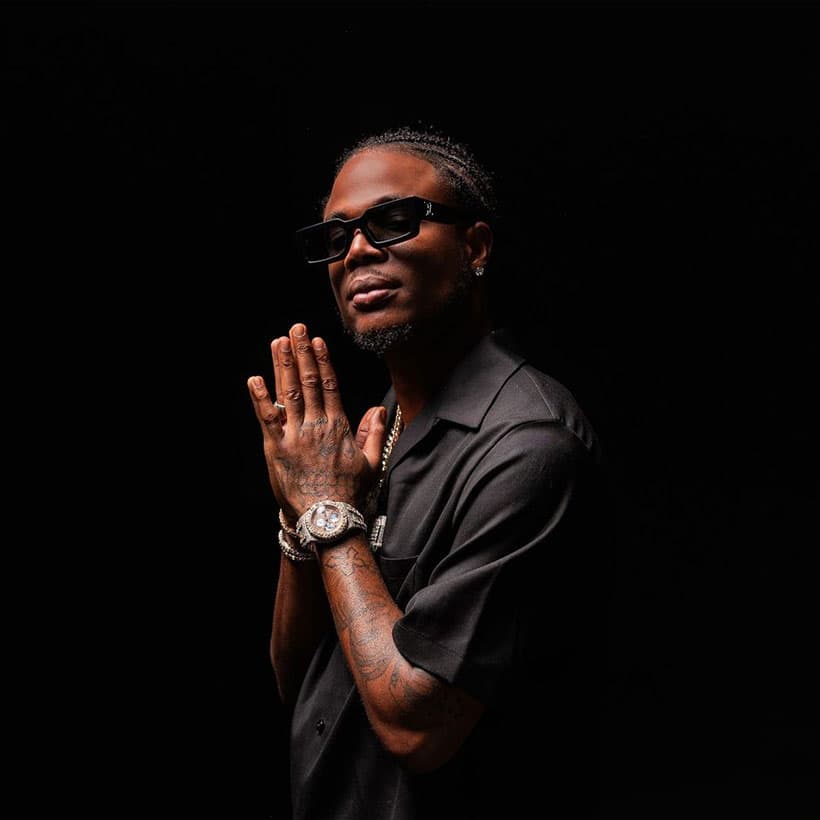
In a recent sit-down with TVJ’s All Angles, “Heir to the Dancehall Throne” Masicka addressed his lyrical entanglement with Tommy Lee Sparta — and, by extension, the shadow of Vybz Kartel — in a conversation that doubled as a case for why he might be dancehall’s next great torchbearer.
Born Into the Clash Era
Asked why he answered Tommy Lee’s callout rather than letting it pass, Masicka pushed back on the idea that there was ever a decision to make. Clashing, he explained, is where he comes from. He grew up on Bounty Killer, Ninja Man and the early Super Cat clashes, and that’s what pulled him into music in the first place.
“First and foremost, I grew up as a lyrical clash artist. So most people don’t know that,” he shared.
He said he was an aggressive lyrical writer from the start, and if people go back through his catalog, they’ll find that he has touched almost every artist at some point because that combative streak is baked into how he came up.
“I make songs about almost all artists, you know what I mean,” he said, speaking about songs from his early catalog.
When Tommy Lee called him out live, Masicka said he simply had time on his hands and figured his fans wanted to see him in a real lyrical encounter.
“My fans, they really want to see me in a lyrical encounter,” he exclaimed.
Asked if he was chasing clout, he waved that off entirely. He’s not looking for a fight, he said, but he’s not backing down from one either. He framed the whole exchange as good for the genre, arguing that clash culture only builds the music as long as fans keep it confined to lyrics.
“We’re not backing down from a fight,” he said. “You know, lyrically, we just have to do what we have to do. But it’s nice for the music.”
“We Are Not Friends”
The interview’s sharpest moment came when Masicka corrected the public narrative that his beef with Tommy Lee was really a proxy war with Vybz Kartel.
“Anytime you enter any war, you’re going to have two sides. But what people have to understand, and this is the first time I’m going to say this, is it’s not really taking on Kartel,” he said.
He reached for a childhood image to explain his logic: If someone from a rival house throws a stone and hits your child, the whole house becomes the enemy, whether that was the intention or not. That’s how he framed Tommy Lee’s attack once Kartel’s camp got behind it.
But he was adamant that he and Kartel were never close to begin with.
“We are not friends,” he said, adding that he and Kartel have probably spoken twice in their entire lives.
He even pointed to a moment of goodwill between them — showing up to a birthday party for Kartel’s son while Kartel himself was incarcerated — to underline that there was never any real rivalry there to project onto Tommy Lee.
It was only once Kartel publicly co-signed Tommy Lee’s diss, Masicka said, that staying silent stopped being an option. Supporting the music meant standing his ground, not looking away.
Asked whether the clash had cost him anything — backlash, blowback or damage to his name — Masicka’s answer was flat: “No.” If anything, he said, his career has grown tremendously since.
He was careful to separate that growth from calculation, though. He wasn’t chasing a moment. What he pointed to instead was Jamaica’s tendency to fall in line behind one leader at a time — a culture of following he says he’s never subscribed to.
He shared that he came up without a boss or mentor in the business, built his own lane and figured that kind of independence was always going to rub some people the wrong way. That friction, to him, is simply the natural cost of standing on his own.
The Case for the Crown
What comes through in the All Angles interview isn’t an artist chasing controversy for clout. It’s someone who treats clash culture as both his origin story and his proving ground.
Masicka’s insistence that he owes no allegiance to any camp, paired with a career he says is thriving in the wake of his biggest confrontation yet, is exactly the narrative dancehall fans have historically used to crown a rider on the way up.
Whether Masicka is truly the “Next King in Waiting” or “Heir Apparent,” as some are framing it, is still one for the streets, the charts and the sound clashes to settle.
But if self-sufficiency, sharp lyricism and a refusal to back down are the measuring sticks dancehall has always used to crown kings, his All Angles sit-down makes a real case that he belongs in that conversation.