King Charles expresses 'horror' over transatlantic slave trade but stops short of apology
Key Points(5)
- King Charles III has described the transatlantic slave trade as a shameful chapter of history that fills him with "horror" and "profound personal sorrow", but stopped short of issuing an apology as calls for reparations from Britain continue across the Caribbean.
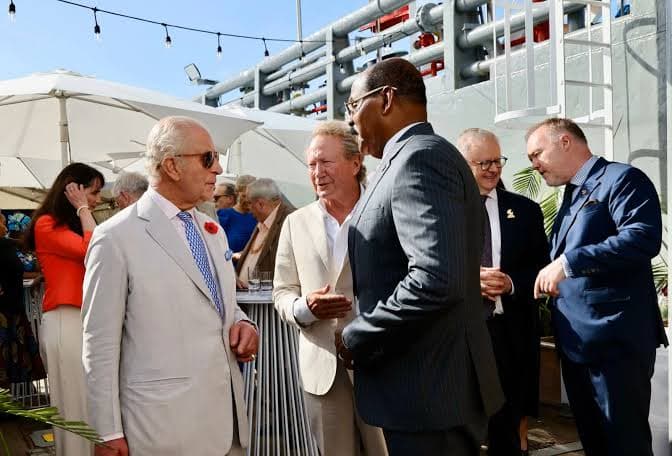
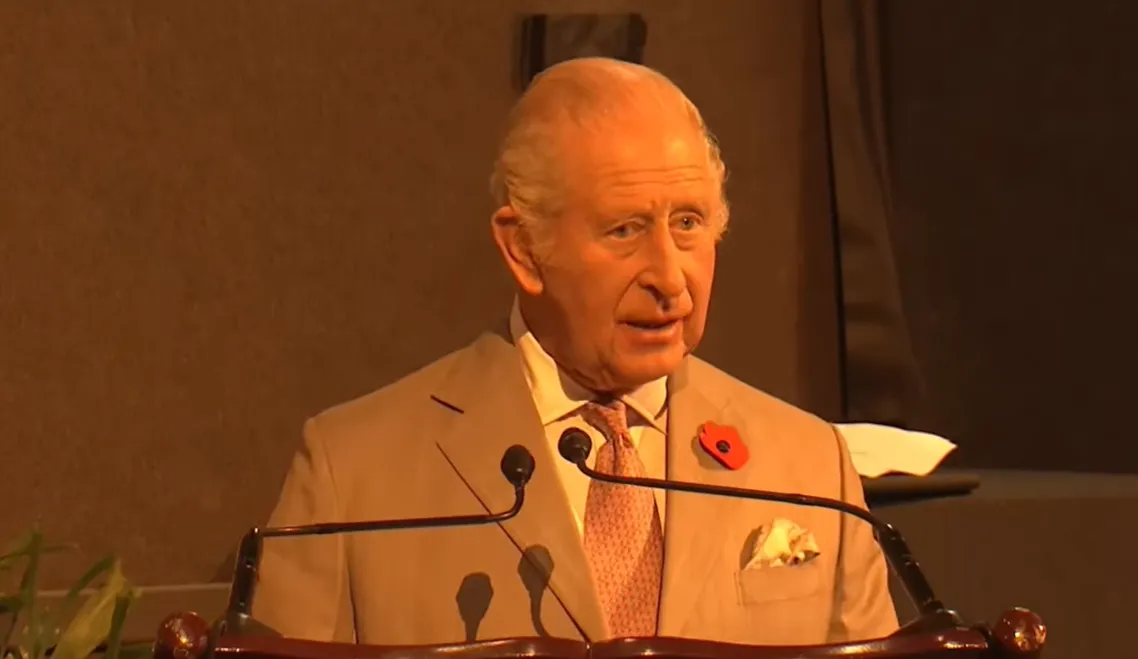
- The King made the remarks on Tuesday while addressing Commonwealth leaders at the Commonwealth Heads of Government Meeting (CHOGM) in Antigua and Barbuda, where the legacy of slavery and demands for reparatory justice remain prominent issues.
- "The transatlantic trade in enslaved persons still casts a shadow over these islands and other members of our Commonwealth," Charles said.
- "The more I have furthered my own understanding of the issues, through listening, learning and looking, the more committed I have become to finding ways for us to work in modern partnership to address the wrongs of the past with action for the future," he said.
- Charles pointed to improved access to education, investment in jobs and opportunities, increased intra-Commonwealth trade and climate resilience as areas where countries could work together to address hardship and disadvantage.
King Charles III has described the transatlantic slave trade as a shameful chapter of history that fills him with "horror" and "profound personal sorrow", but stopped short of issuing an apology as calls for reparations from Britain continue across the Caribbean.
The King made the remarks on Tuesday while addressing Commonwealth leaders at the Commonwealth Heads of Government Meeting (CHOGM) in Antigua and Barbuda, where the legacy of slavery and demands for reparatory justice remain prominent issues.
"The transatlantic trade in enslaved persons still casts a shadow over these islands and other members of our Commonwealth," Charles said.
"As I have said before, that shameful chapter of history is one that fills my heart with horror and my soul with the most profound personal sorrow."
He also spoke of his growing commitment to finding ways for Commonwealth countries to work together to address historical injustices through practical measures aimed at improving opportunities and living conditions.
"The more I have furthered my own understanding of the issues, through listening, learning and looking, the more committed I have become to finding ways for us to work in modern partnership to address the wrongs of the past with action for the future," he said.
Charles pointed to improved access to education, investment in jobs and opportunities, increased intra-Commonwealth trade and climate resilience as areas where countries could work together to address hardship and disadvantage.
However, the King did not offer a formal apology or directly address calls for Britain to pay reparations for its historical role in the transatlantic slave trade.
He also highlighted the role of the Royal Navy in ending the international trade in enslaved people, saying history showed that "evil need not have the last word" and that courage and determination could overcome injustice.
The remarks came amid renewed calls for reparatory justice from Caribbean leaders and activists, who have urged Britain and other former colonial powers to acknowledge their roles in slavery and address its lasting consequences.
Outside the perimeter of the CHOGM meeting, activists staged a small protest, holding placards calling on the King to move beyond expressions of regret and issue an apology.
One sign read, "You say you regret so apologise", while another called for an apology for what it described as "the greatest crime against humanity" and demanded reparatory justice.