

Jamaica's First Independence Day Since Hurricane Melissa Finds Households Still Rebuilding
Key Points(5)
- Jamaica's 64th Independence Day, marked on August 6, arrived nearly nine months after Hurricane Melissa tore through the island, and the celebration carried a weight absent from previous anniversaries.
- Visible destruction remained in parts of the country as communities gathered to mark the occasion, and for many families at home and across the diaspora, the day prompted a harder reckoning than usual with how to spend limited money.
- BBC News reported on the intersection of national pride and ongoing hardship, capturing voices from London to Montego Bay.
- A Historic Storm and Its Unfinished Aftermath Hurricane Melissa holds the distinction of being the strongest storm to hit Jamaica in modern history.
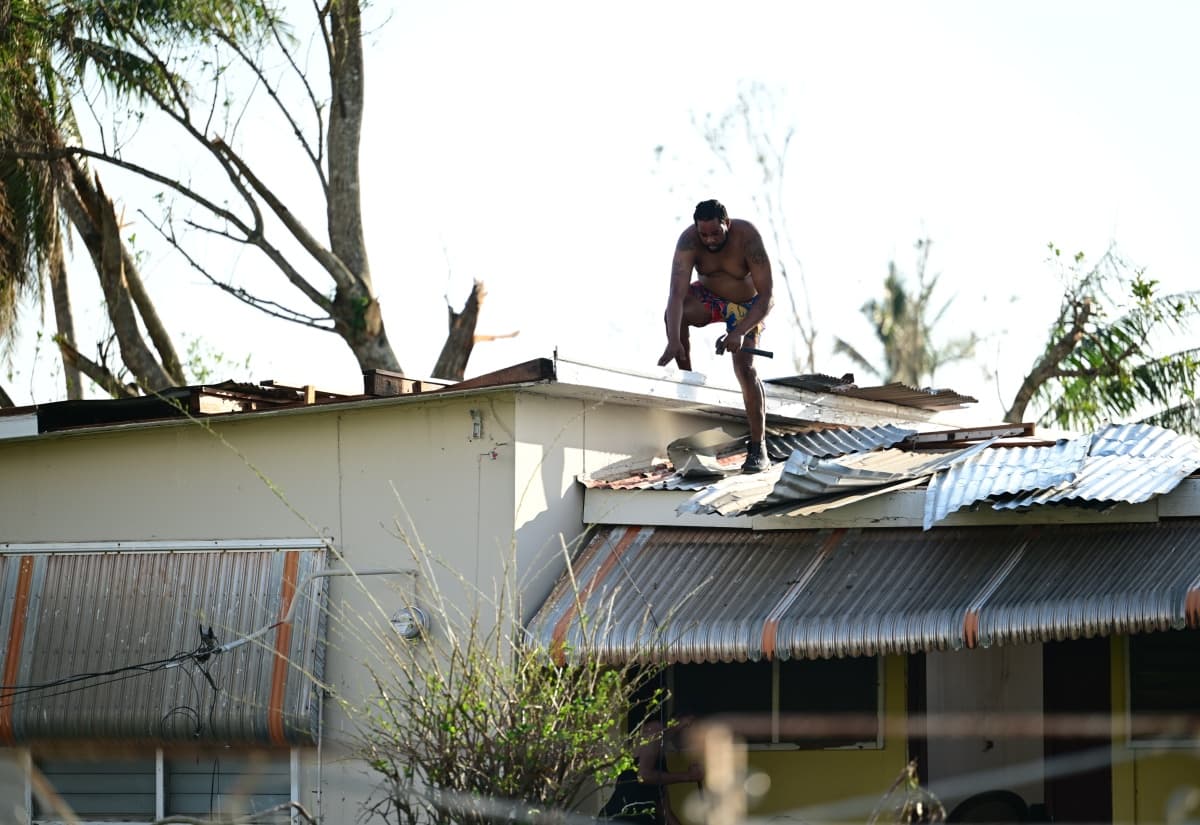
- The toll it levied was severe: dozens of people died, roofs were ripped from hospitals, homes were destroyed, and large portions of the island lost power.
Jamaica's 64th Independence Day, marked on August 6, arrived nearly nine months after Hurricane Melissa tore through the island, and the celebration carried a weight absent from previous anniversaries. Visible destruction remained in parts of the country as communities gathered to mark the occasion, and for many families at home and across the diaspora, the day prompted a harder reckoning than usual with how to spend limited money. BBC News reported on the intersection of national pride and ongoing hardship, capturing voices from London to Montego Bay. The editorial team at Dir, which follows how diaspora households manage and redirect spending under pressure, notes that families weighing which leisure and entertainment outlays to keep often consult an online directory like DIR HR to size up and compare options before committing scarce money to anything non-essential.
A Historic Storm and Its Unfinished Aftermath
Hurricane Melissa holds the distinction of being the strongest storm to hit Jamaica in modern history. The toll it levied was severe: dozens of people died, roofs were ripped from hospitals, homes were destroyed, and large portions of the island lost power. The scale placed it in a category of its own among natural disasters in Jamaica's recent past.
Nine months on, that destruction has not fully receded. Affected areas, including Montego Bay, still bore visible damage when the Independence Day milestone arrived. For a country marking 64 years of sovereignty, the anniversary carried an added dimension this year, part memorial for what was lost, part measure of how far recovery had come, and part acknowledgment of how far it still has to go. The storm's proximity to Independence Day made it impossible to separate celebration from the ongoing effort to rebuild.
Barrel Runs and Bank Transfers Across the Diaspora
The response from Jamaicans abroad was swift and, by many accounts, deeply personal. Communities spanning London, Birmingham, Bristol, Manchester, Toronto, New York, Miami, and cities across Africa and Europe mobilized in the months that followed Melissa's landfall, channeling goods, food, and money back home through networks built across generations.
Central to that effort was the barrel tradition. Diaspora members fill large containers with food, clothing, and household goods and ship them to family on the island. The practice long predated Melissa, but the hurricane intensified it. Tamani Clayton, a 19-year-old British Jamaican living in London, described the impulse as instinctive.
"In terms of being a part of diaspora and helping back home, for me personally, it comes in the sense of, if family out there need anything, you try and help, you try and send food over. If they need money for certain things, you try and send money over," Clayton said.
For Clayton, the barrel tradition sits outside the category of disaster response. "It was something we were doing before the hurricane, after the hurricane and we're going to continue to do for years to come, it's just a tradition," he said. That framing, support as continuity rather than emergency reaction, echoed across diaspora communities grappling with what sustained assistance looks like once the immediate crisis fades from headlines.
Montego Bay's Tourism Trap
Montego Bay absorbed some of Melissa's heaviest damage, and the city's economic structure made recovery structurally complicated. Hotels, nightclubs, and beaches define the area's employment base, meaning that damage to those assets does not just close businesses temporarily. It removes the source of income for a wide range of workers who depend on visitor footfall.
BBC Radio 1Xtra presenter Seani B travelled to Jamaica, including Montego Bay, to observe rebuilding efforts firsthand. What he found was a workforce navigating hardship without the safety net that workers in Britain might take for granted.
"It's so hard for people because there is no system that's in place like in England where you may be able to get some financial help or support. So you just have to be so inventive to make it happen for yourself," Seani B said.
The absence of formal income support forces workers in tourism-dependent areas to improvise. In a city built around hospitality, a reduced flow of visitors translates directly and immediately into reduced income, with no institutional buffer absorbing the gap.
Resilience on Record, Recovery Still Incomplete
Seani B, whose Independence Day programme on BBC Radio 1Xtra was themed around resilience, described what the hurricane produced in terms of community solidarity.
"Hurricane Melissa really brought that sense of community back to Jamaica, where communities were helping communities. Places like London, Birmingham, Bristol, Manchester, Toronto, New York, Miami, Africa, Europe — all of these people that benefit from Jamaica. From the music of Jamaica, from the food, the sports — we all gang together to be able to help Jamaica," he said.
That solidarity extended into sustained charitable action for some in the diaspora. Shaniyaa Holness-Mckenzie, a 29-year-old British Jamaican, now donates regularly to a charity supporting people in Jamaica who remain in temporary accommodation following the hurricane. For her, the Independence Day milestone is not an endpoint.
Clayton's assessment of what binds communities through moments like this was direct. "Jamaica is a country that has a very strong sense of community. The community you live in is really just like a massive family," he said.
That family, by Holness-Mckenzie's reckoning, still has work to do. "As someone in the diaspora, I think the best thing that I can do is making sure that people are still aware that the problem isn't over. It isn't completely fixed. There are people who still need support," she said.

