Jamaican-born lawyer seeks $100M in Trinidad indemnity dispute
Key Points(5)
- In October 2017, Nelson provided a statement in which he claimed that Ramlogan had demanded that he pay him 10 per cent of the legal fees he received for representing the state and state companies during Ramlogan’s tenure between 2010 and 2015.
- Ford, US transportation chief spar over company’s China deals Business Ford, US transportation chief spar over company’s China deals September 9, 2026 He said Ramdeen served as the intermediary by allegedly collecting the funds and paying them over to Ramlogan.
- Almost a month later, Nelson entered into an indemnity agreement with former attorney general Faris Al-Rawi.
- In the document, Al-Rawi, as the legal representative of the government, agreed that Nelson’s statement would not be released into the public domain, including through parliamentary debate.
- Brown’s Town roll on in daCosta Cup Football, Sports Brown’s Town roll on in daCosta Cup September 9, 2026 While the Court of Appeal did not set a date for its ruling, Justice Gillian Lucky said that the court usually delivers its judgments within six months of an appeal being heard.
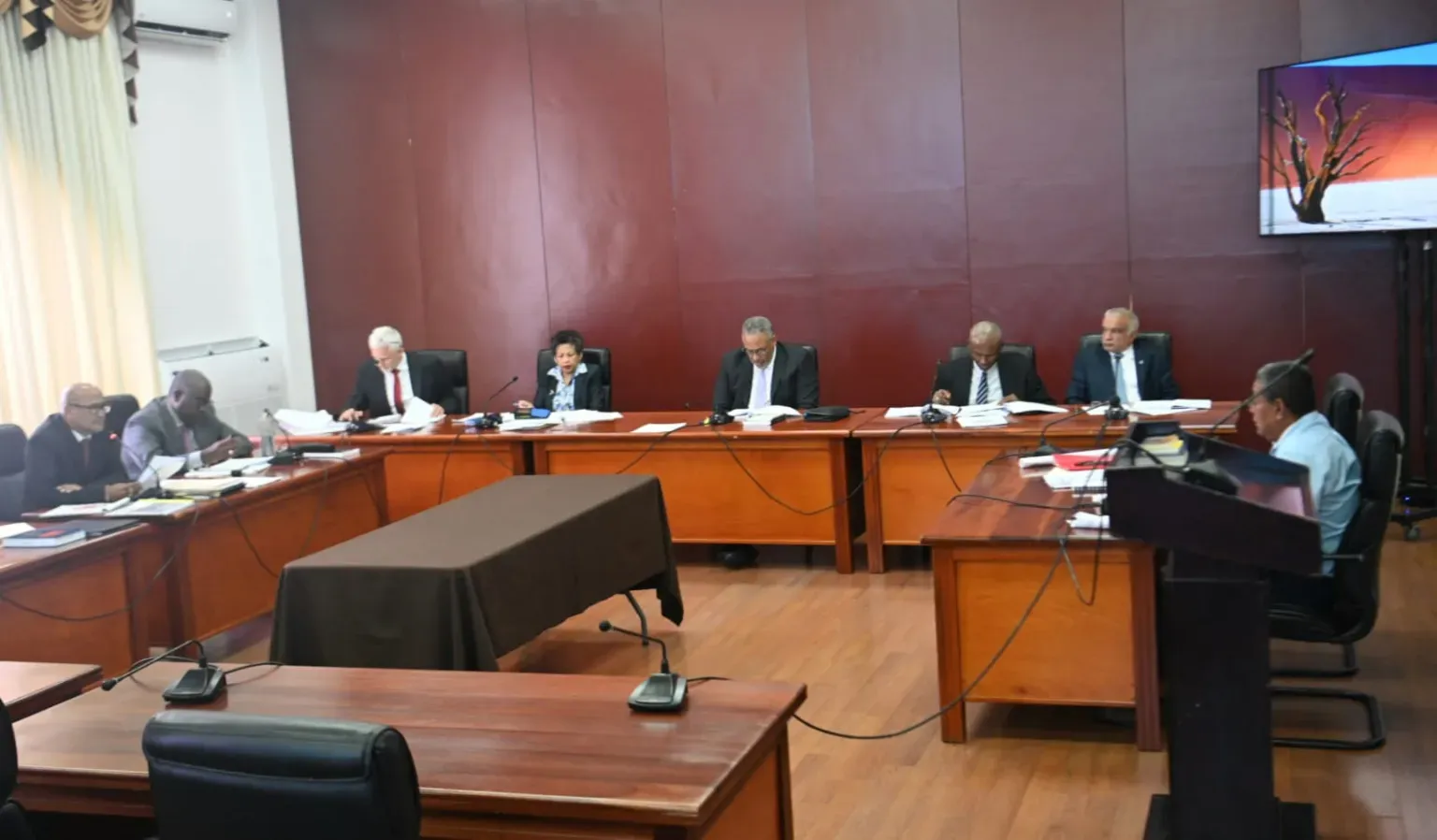
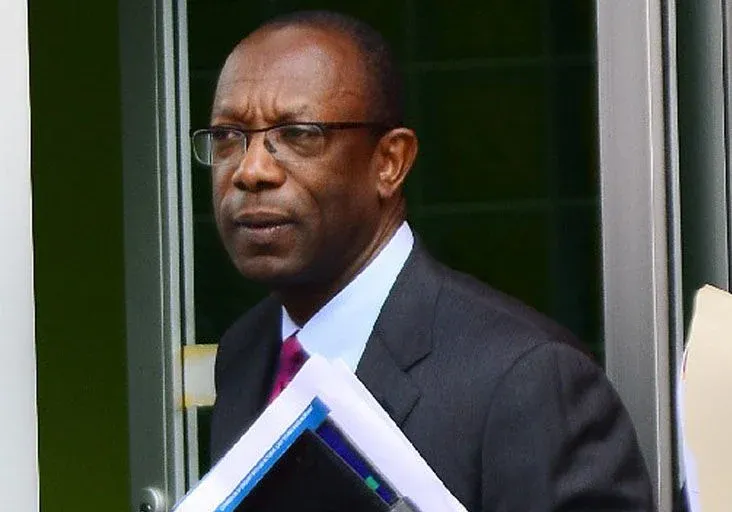
The Court of Appeal in Trinidad and Tobago has reserved its judgment in a case brought by Jamaican-born British King’s Counsel Vincent Nelson, who is seeking nearly TT$100 million in damages over alleged breaches of an indemnity agreement connected to a legal fee kickback investigation involving former Attorney General Anand Ramlogan and attorney Gerald Ramdeen.
Lawyers completed their submissions on Tuesday, but the court did not set a date for its ruling. Justice Gillian Lucky noted that the Court of Appeal generally delivers judgments within six months of hearing an appeal.
Nelson is challenging a decision by High Court Judge Jacqueline Wilson, who rejected his claim for damages based largely on earnings he said he lost after entering into the indemnity agreement with the Trinidad and Tobago government in 2017.
The case stems from allegations Nelson made in October 2017, when he provided a statement claiming that Ramlogan had demanded 10 percent of the legal fees Nelson received for representing the state and state-owned companies during Ramlogan's tenure as attorney general from 2010 to 2015.
Nelson alleged that Ramdeen acted as an intermediary, collecting the funds and passing them to Ramlogan.
Almost a month after providing the statement, Nelson entered into an indemnity agreement with then-Attorney General Faris Al-Rawi. Under the agreement, Al-Rawi, acting as the government's legal representative, agreed that Nelson's statement would not be released publicly, including through parliamentary debate.
During submissions Tuesday, Nelson argued that damage to his professional reputation was a foreseeable consequence of his involvement as an informant becoming public.
He contended that Wilson was wrong to find that the professional damage he suffered was not directly connected to breaches of the indemnity agreement. Nelson argued that the agreement was broadly drafted and intended to protect him against a range of potential consequences.
“If it was within the scope of the indemnity agreement, then remoteness does not apply,” Nelson told the court.
He also argued that failing to enforce such agreements could undermine the state's ability to persuade informants and whistleblowers to cooperate in future investigations.
“No informer would come forward if they have no protection,” Nelson said.
However, King's Counsel Tom Poole, representing the state, argued that Nelson's prosecution by the Office of the Director of Public Prosecutions did not amount to a breach of the agreement.
Poole said Al-Rawi had only agreed to recommend that Nelson not be prosecuted and could not guarantee that outcome because the DPP has independent constitutional authority to determine whether charges should be brought.
“The agreement recognised the DPP had independent constitutional power, including to decide whether to prosecute,” Poole said.
Poole acknowledged that Wilson had correctly found a breach occurred when former government minister Stuart Young shared Nelson's notarized statement with the United Kingdom's National Crime Agency, which led to a tax evasion investigation.
However, he argued that the breach did not directly cause Nelson to be expelled from his law chambers or lead to the UK Bar Standards Board's refusal to issue him a practicing certificate.
According to Poole, those developments resulted from Nelson being charged alongside Ramlogan and Ramdeen and subsequently pleading guilty.
Nelson disputed that argument, maintaining that his inability to practice resulted from his removal from his chambers and subsequent difficulty finding a replacement rather than disciplinary action by the Bar Standards Board.
He said the board had not taken disciplinary action against him during the past eight years.
“If it has the power to debar me, then it would have done so,” Nelson said.
The underlying corruption case
In 2019, Ramlogan, Ramdeen and Nelson were charged over the alleged legal fee kickback arrangement.
The charges included allegations that they conspired to receive, conceal and transfer criminal property consisting of payments allegedly made to Ramlogan by Nelson in exchange for Nelson being retained to represent the state in several cases.
Shortly after being charged, Nelson entered into a plea agreement with the DPP's office in exchange for agreeing to testify against Ramlogan and Ramdeen.
In March 2020, High Court Judge Malcolm Holdip upheld the plea agreement and imposed fines totaling TT$2.25 million on Nelson for his role in the alleged conspiracy.
Under the agreement, a charge of conspiracy to commit misbehavior in public office was dropped, while Nelson was fined for the remaining two offenses and placed on a TT$250,000 bond to keep the peace for three years.
Nelson subsequently sued the state, alleging breaches of the 2017 indemnity agreement. He also launched separate legal proceedings seeking to overturn his convictions and sentences.
In October 2022, Director of Public Prosecutions Roger Gaspard discontinued the corruption case against Ramlogan and Ramdeen because Nelson was unwilling to testify while his lawsuits remained unresolved. Gaspard said at the time that the charges could be refiled if Nelson's position changed.
Nelson has also continued to challenge his own convictions. In July 2025, the Court of Appeal rejected his challenge related to his convictions and sentences for conspiracy to commit corruption and money laundering.
He is now pursuing a final appeal in that matter before the UK-based Privy Council.
Meanwhile, the Court of Appeal's decision in Nelson's multimillion-dollar indemnity case remains pending.