Jamaica health assessment identifies gaps in disease surveillance, emergency preparedness
Key Points(5)
- Jamaica has been given 110 recommendations to strengthen its ability to prevent, detect and respond to public health threats following an international assessment of the country’s health security systems.
- The recommendations emerged from an International Health Regulations Voluntary External Evaluation, which examined Jamaica’s preparedness across several areas, including disease surveillance, laboratories, infection control and its ability to respond to complex health emergencies.
- The evaluation identified several areas requiring targeted improvements over the next three to six years, including infection prevention and control, zoonotic diseases, health-sector staffing and preparedness for chemical incidents and radiation emergencies.
- Other areas identified for further strengthening include specialist laboratory services, genomic surveillance, antimicrobial resistance testing, laboratory regulation, risk communication and emergency preparedness at the subnational level.
- The assessment also called for greater use of simulation exercises to test the country’s readiness for public health emergencies.
Jamaica has been given 110 recommendations to strengthen its ability to prevent, detect and respond to public health threats following an international assessment of the country’s health security systems.
The recommendations emerged from an International Health Regulations Voluntary External Evaluation, which examined Jamaica’s preparedness across several areas, including disease surveillance, laboratories, infection control and its ability to respond to complex health emergencies.
The evaluation identified several areas requiring targeted improvements over the next three to six years, including infection prevention and control, zoonotic diseases, health-sector staffing and preparedness for chemical incidents and radiation emergencies.
Other areas identified for further strengthening include specialist laboratory services, genomic surveillance, antimicrobial resistance testing, laboratory regulation, risk communication and emergency preparedness at the subnational level.
The assessment also called for greater use of simulation exercises to test the country’s readiness for public health emergencies.
The process, conducted under the International Health Regulations (2005), brought together international experts and representatives from several government agencies. Jamaica’s National Expanded Programme on Immunisation was also assessed.
The 110 recommendations were developed following a review of key indicators and Jamaica’s self-assessment, along with technical discussions, site visits and an examination of the country’s existing capabilities.
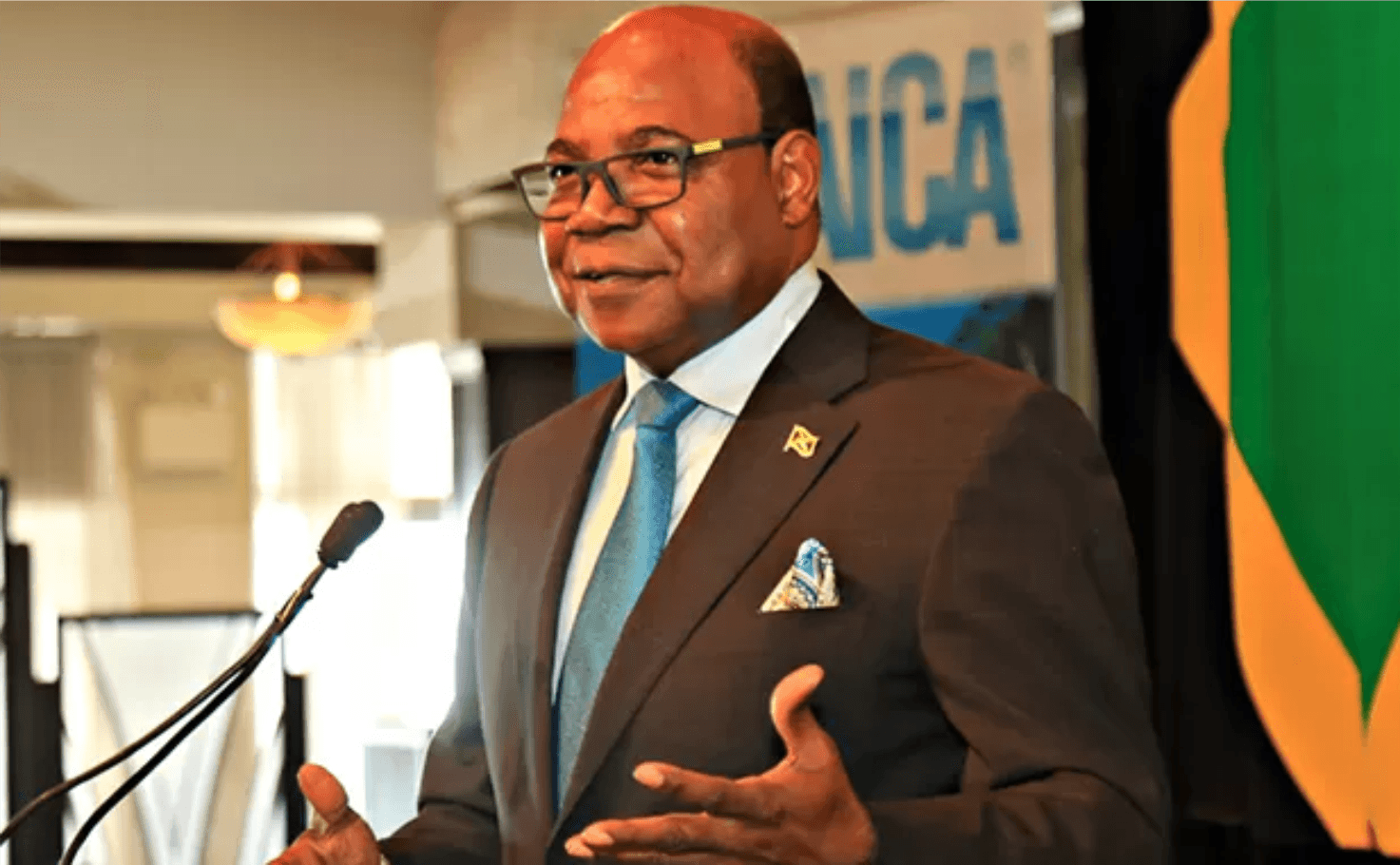
Permanent Secretary in the Ministry of Health and Wellness Dunstan Bryan said the findings showed that Jamaica already has a strong foundation but needs to turn the recommendations into concrete improvements.
“Our assessment identified important strengths across Jamaica’s health security architecture, including our national surveillance system … [and] our commitment to primary healthcare,” Bryan said in remarks delivered on his behalf by Dr. Nicole Dawkins Wright, director of Emergency Disaster Management and Special Services.
Bryan said the findings would help guide planning, investment, governance, training, coordination and continued monitoring.
Implementation will extend beyond the Ministry of Health and Wellness, with agriculture, environment, transport, tourism, national security, foreign affairs, and science and technology among the sectors involved in Jamaica’s compliance with the International Health Regulations.
World Health Organization/Pan American Health Organization Representative for Jamaica, Bermuda and the Cayman Islands Ian Stein said strengthening health security requires cooperation across government and society.
“Health security is a shared responsibility that requires sustained collaboration across sectors, institutions and all levels of society,” Stein said.
He said WHO and PAHO would continue working with Jamaica to translate the findings into action and align the recommendations with the country’s longer-term health and immunization priorities.
The evaluation concluded Friday, Sept. 18, with a closing ceremony at the Jamaica Pegasus Hotel in New Kingston.